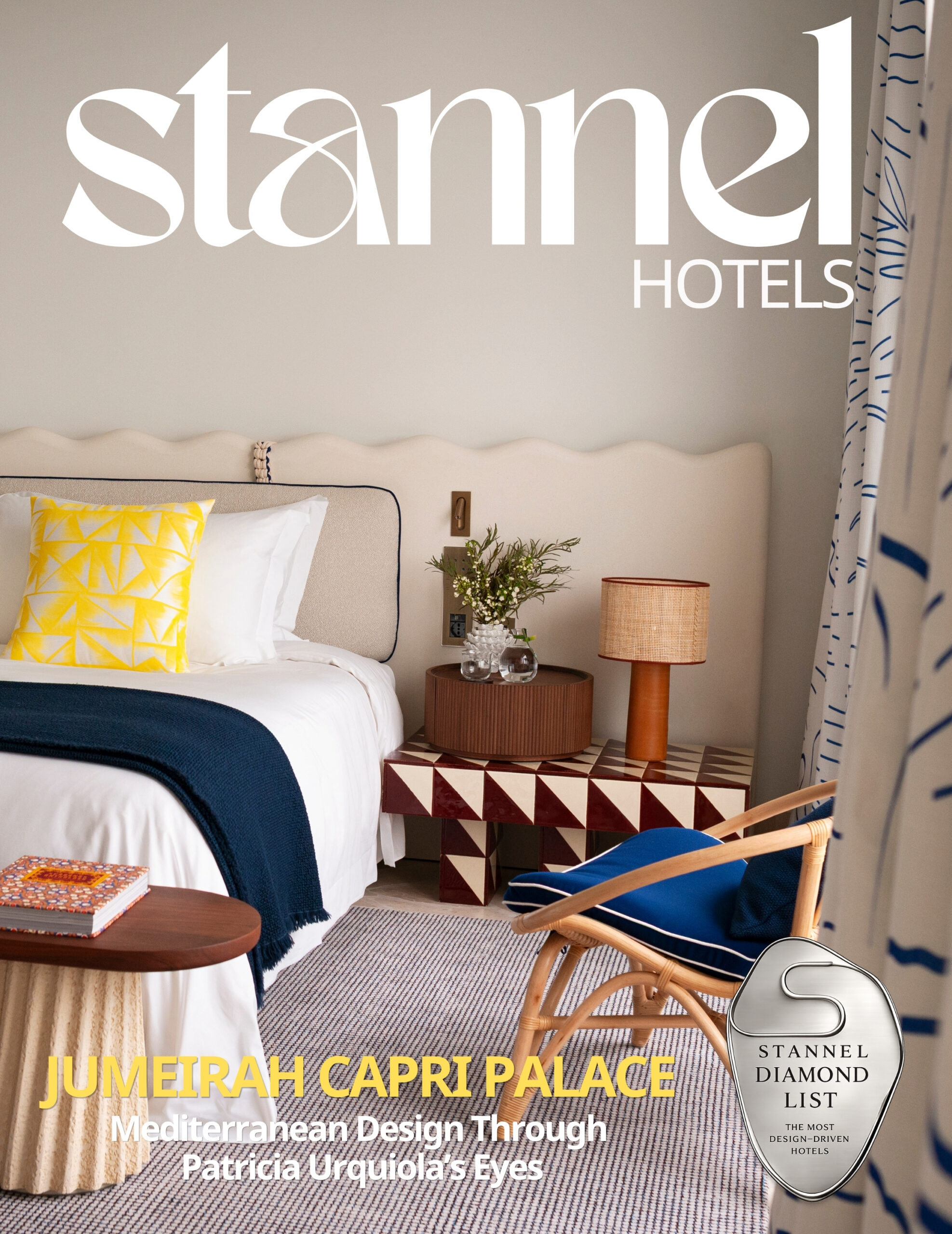
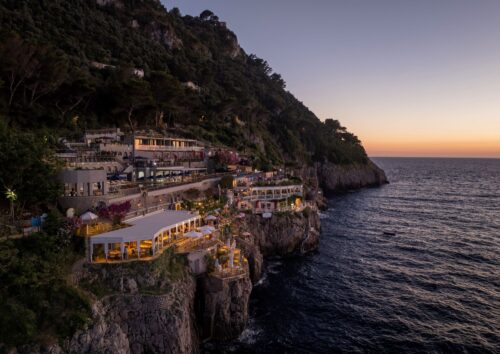
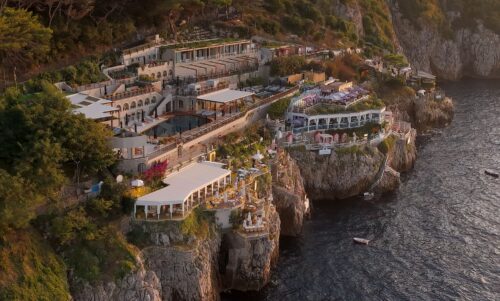
There is Capri, with its piazza, yachts and elegant bustle, and there is Anacapri – the high and quiet part of the island. At an altitude of more than 300 meters above sea level, facing the Bay of Naples and at the foot of Monte Solaro, stands Jumeirah Capri Palace, a hotel that seeks to translate the spirit of the place not only through the view, but also through architecture, art, food and a hospitality culture that has been built here for more than six decades.
Ofri Paz | STANNEL
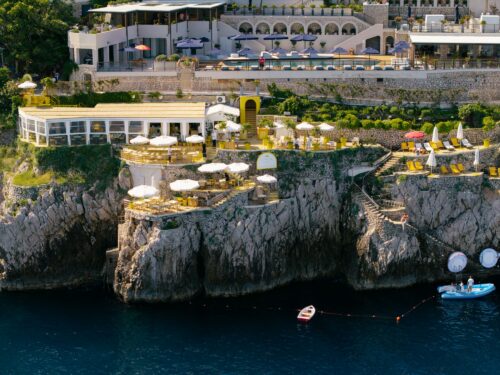
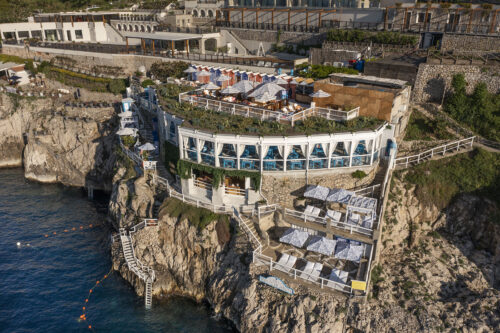
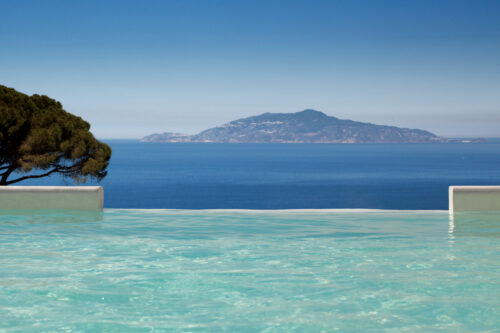
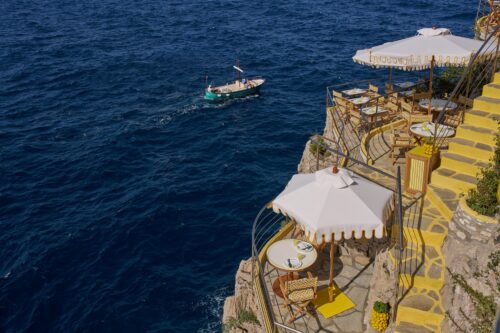
The hotel was born in the 1960s as the Hotel Europa Palace, initiated by the local Cacace family. Its development was later led by Tonino Cacace, the son of the hotel’s founders, who shaped its identity, among other things, through a contemporary art collection that he built up over the years. In 2020, the hotel joined the Jumeirah group, but even today its identity remains deeply tied to the island and its local story.
Design
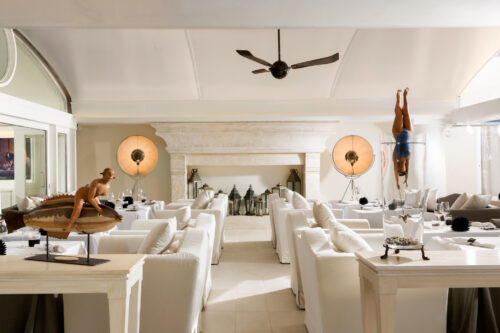
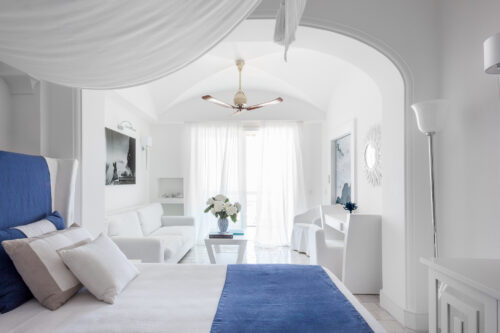
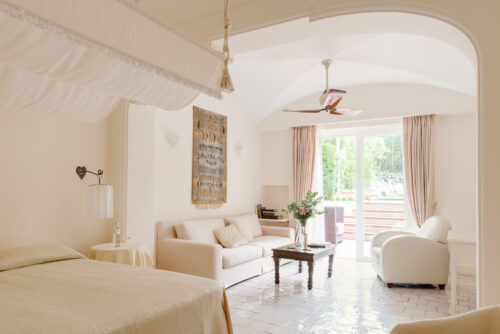
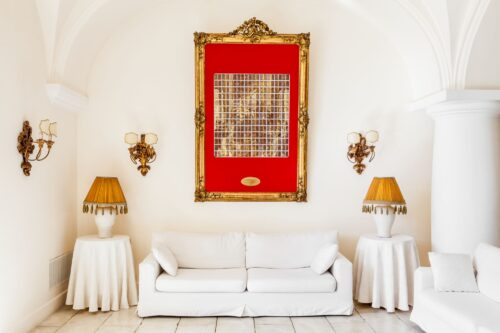
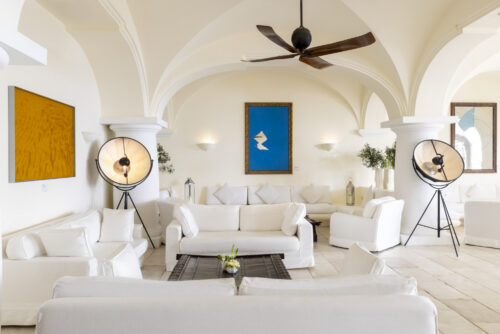
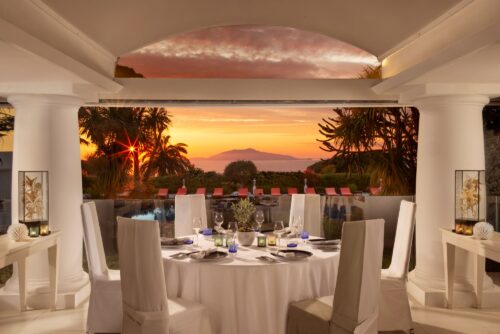
The architectural foundation of the hotel dates back to the 1960s. The original project was designed by Italian architect and designer Gianfranco Frattini, a student of Gio Ponti, one of the most influential figures in 20th-century Italian architecture and design, and the building subsequently evolved in layers. Today, the arches, vaults, columns and white spaces give it the appearance of an 18th-century Neapolitan palace, but behind the classical shell there is an ongoing dialogue with contemporary design and art.
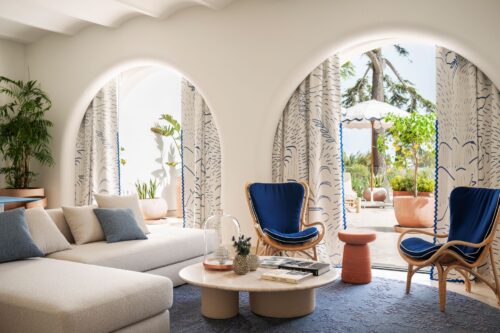
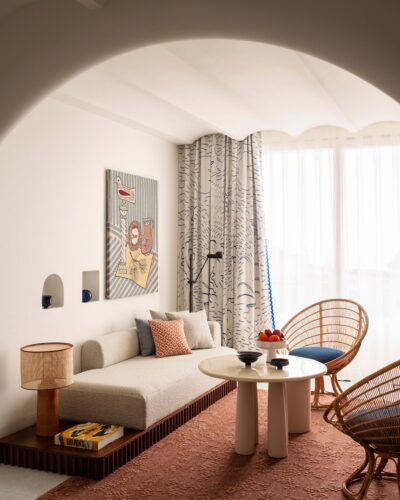
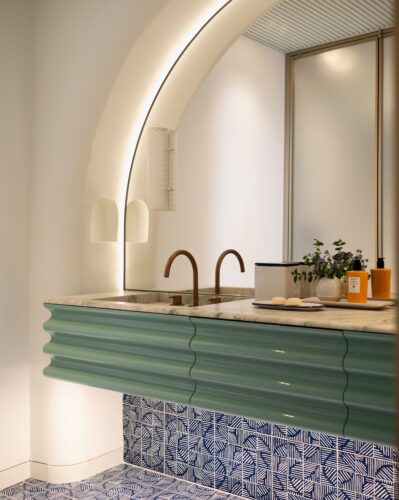
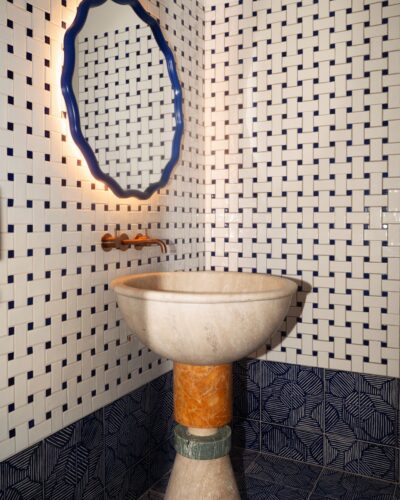
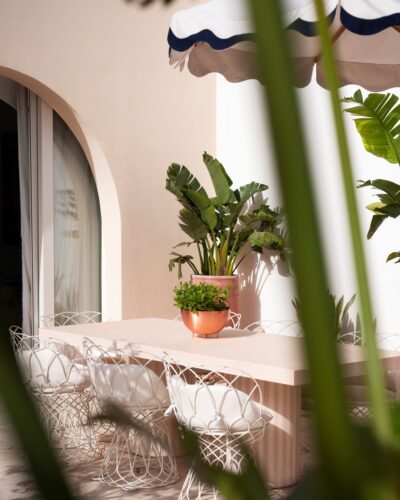
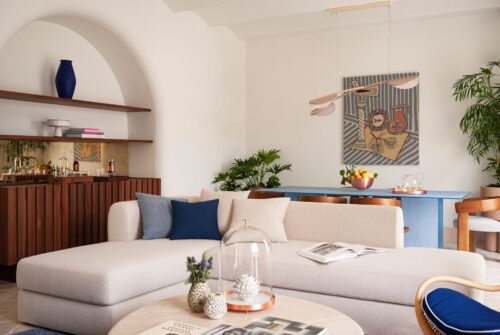
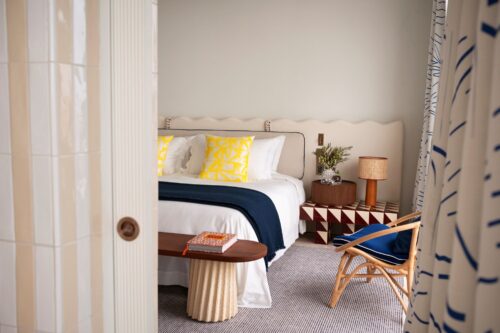
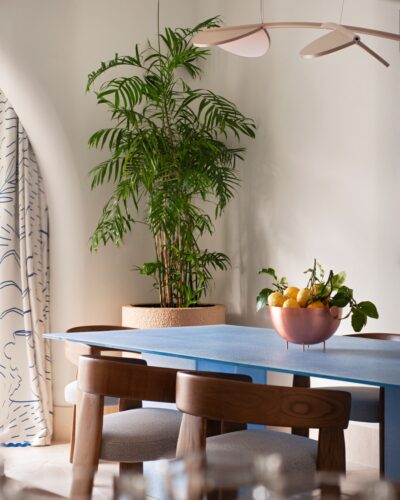
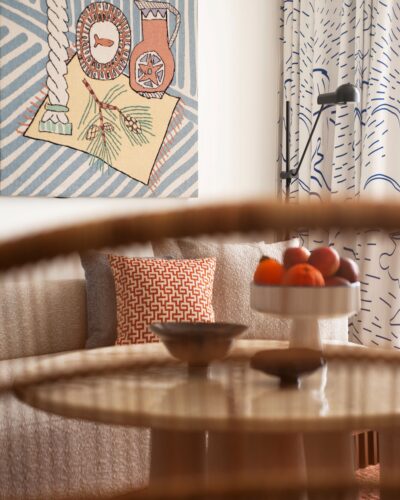
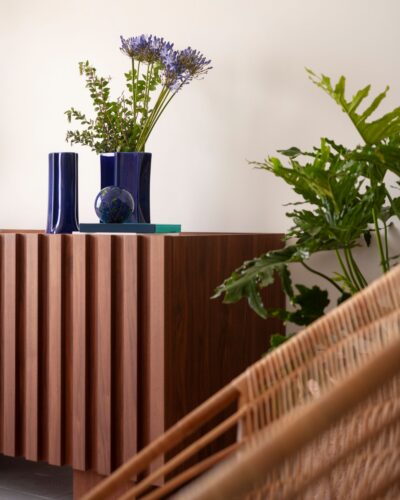
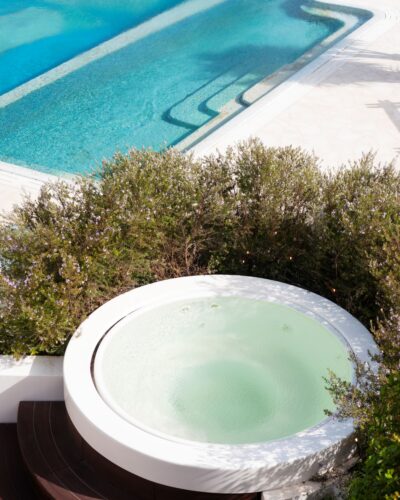
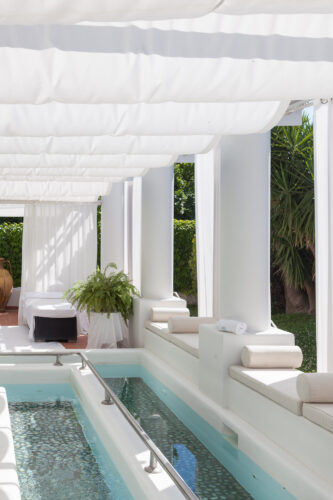
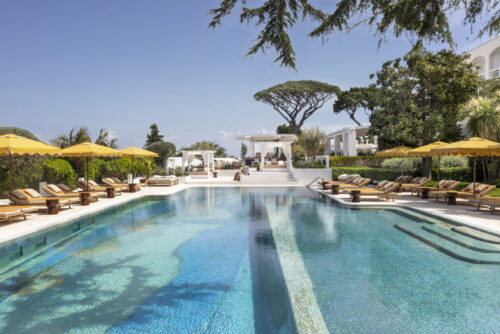
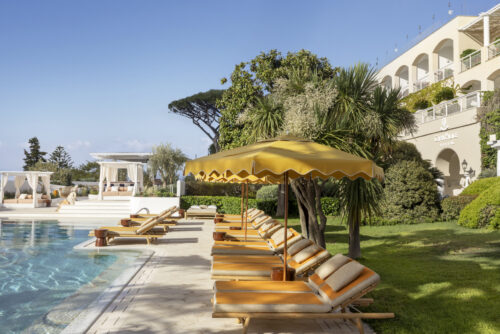
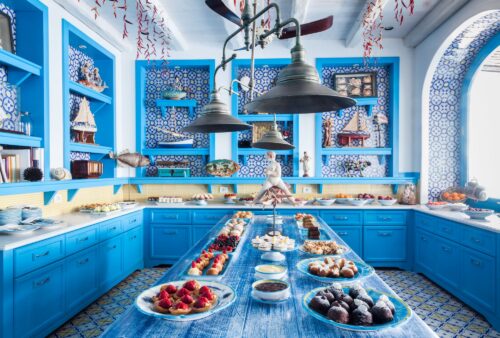
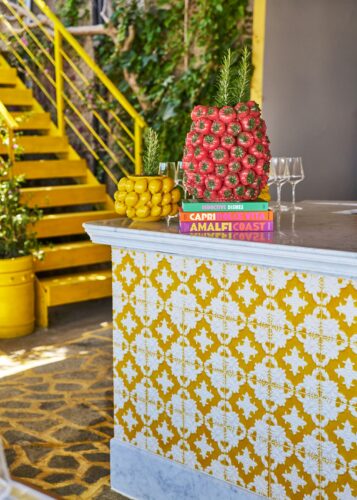
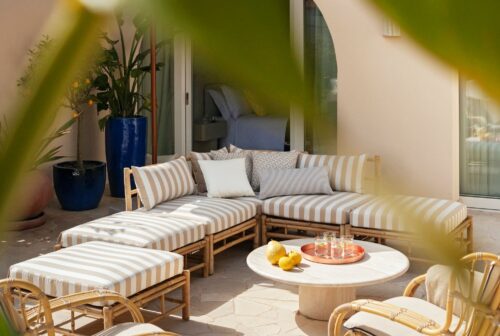
A new chapter in this dialogue has been written in recent years by the architect and designer Patricia Urquiola, who redesigned the hotel’s suites and later the pool area, bar and terraces. Her starting point was the landscape of Capri itself: the blue of the sea, the bright white of the houses, the shades of terracotta, the rocks and the Mediterranean light. Palladian-style floors, based on stone and marble fragments, hand-painted tiles originating from the ceramic tradition of Vietri, wavy-textured plaster, rattan and glazed terracotta transform local materials and crafts into a contemporary language, without severing them from the island’s architectural tradition.
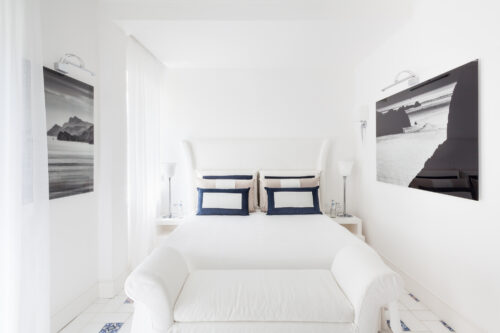
There is no attempt to create absolute uniformity in the 72 rooms and suites either. Understated furniture, vintage items, local artwork and handicrafts compose spaces of varying character, including suites with private pools.
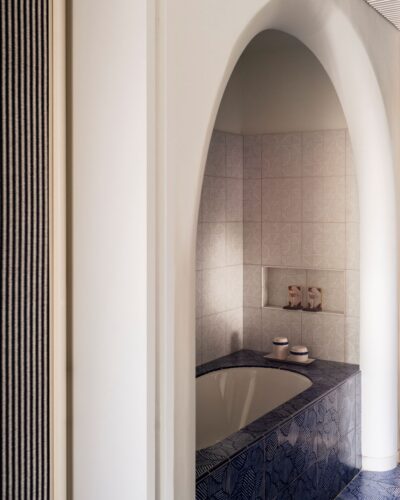
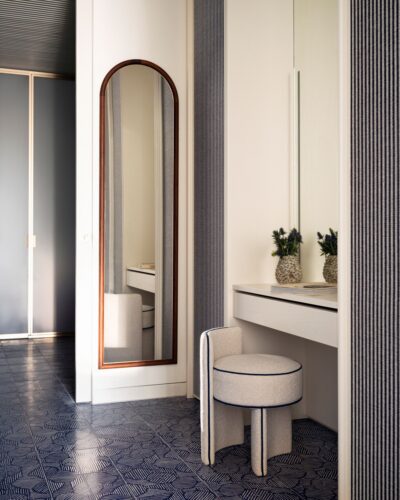
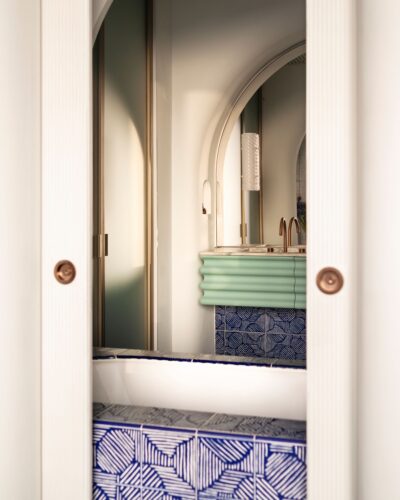
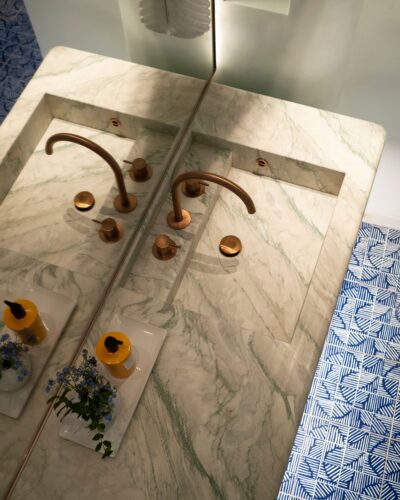
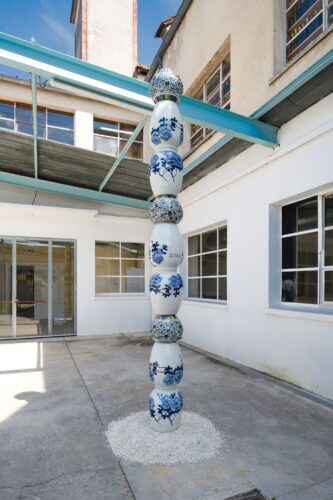
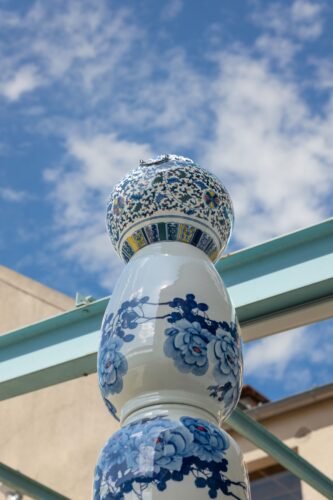
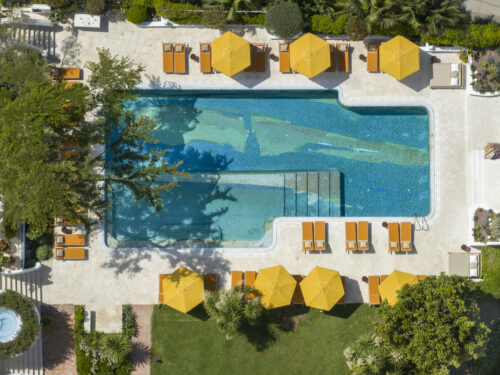
But the element that sets the hotel apart perhaps most of all is the art. The permanent collection includes works by Arnaldo Pomodoro, Giorgio de Chirico, Mimo Palladino, Keith Haring and other artists, and they are not concentrated in a separate gallery but appear in the corridors, lobby, gardens and rooms. Already on the way to the reception, you encounter Pomodoro’s “Rive dei Mari”, a fiberglass work about 40 meters long that simulates a kind of seabed; nearby is de Chirico’s “Ettore e Andromaca”, and the pool area incorporates a mosaic work by Velasco Vitali.
Thus, the hotel functions almost as a living museum. Alongside the permanent collection, it hosts temporary exhibitions and collaborations with art bodies, and a dedicated art curator service allows guests to get to know the works on a guided tour. Art here is not a layer added to the design; it is part of the way the hotel defines itself.
Wellness
At the heart of the hotel is the Capri Medical Spa, one of the hotel’s hallmarks and a pioneer in the field of medical spas in Europe. Unlike a traditional hotel spa, the emphasis here is not only on relaxation and pampering, but on connecting medical and scientific principles with a holistic approach to health and aesthetics. The programs are individually tailored and combine facial and body treatments, regenerative aesthetic medicine, nutrition and exercise, alongside non-invasive treatments and anti-aging programs.
One of the programs most associated with the spa is Leg School®, developed by Prof. Francesco Canonaco and focused on the health and aesthetics of the legs, among other things through treatments to improve blood circulation and lymphatic drainage.
The holistic approach continues outside the treatment rooms: the complex includes an indoor pool, sauna, and hammam, and alongside them, guests have access to a 24-hour gym, a heated outdoor pool, and a private beach club, so that the wellness experience naturally moves between treatment and movement and water, sun, and rest.
Culinary
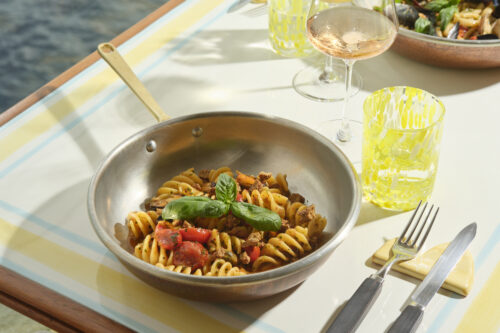
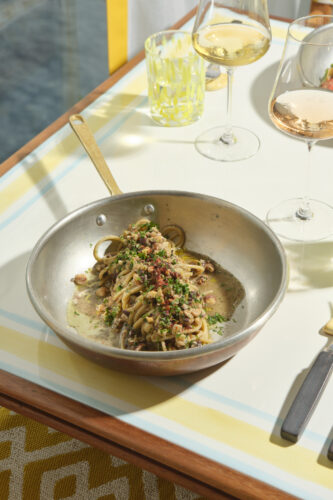
Culinary delights are a significant part of the Jumeirah Capri Palace experience, with restaurants ranging from haute cuisine to casual dining by the sea. The hotel itself is home to L’Olivo, the only two-Michelin-starred restaurant on Capri, where chef Andrea Migliacio leads a contemporary Mediterranean cuisine based on local ingredients and precise technique.
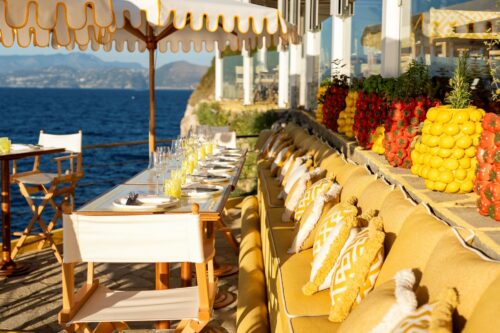
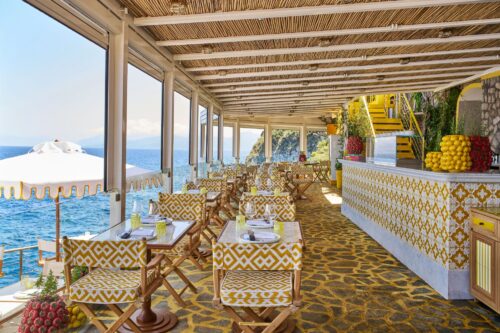
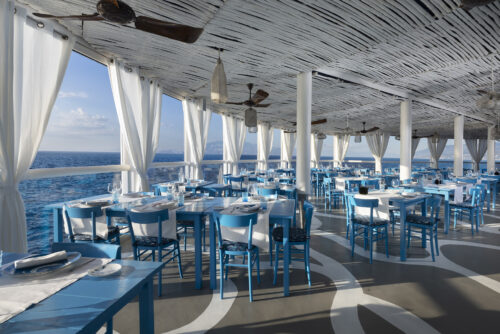
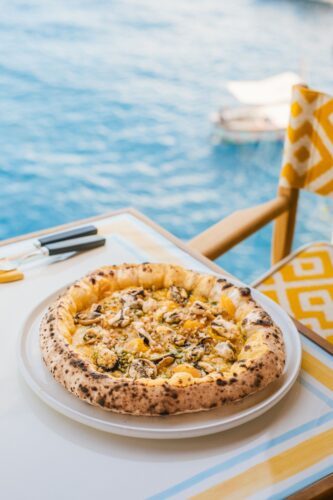
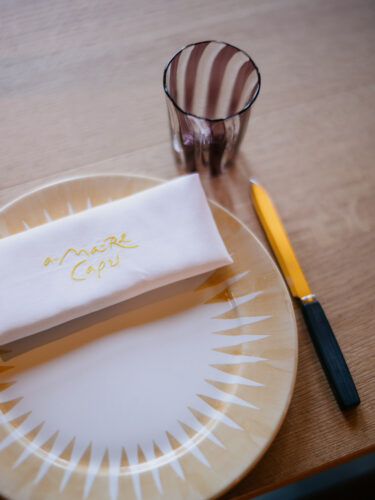
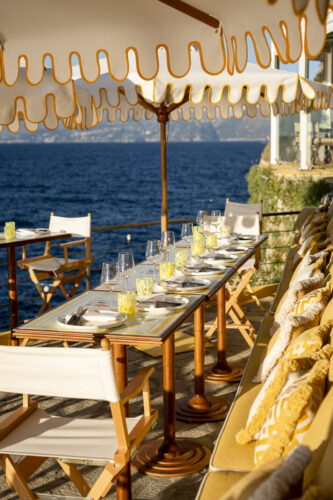
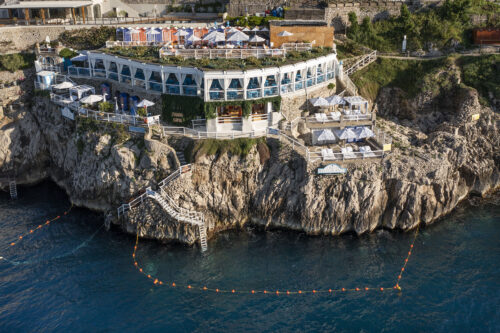
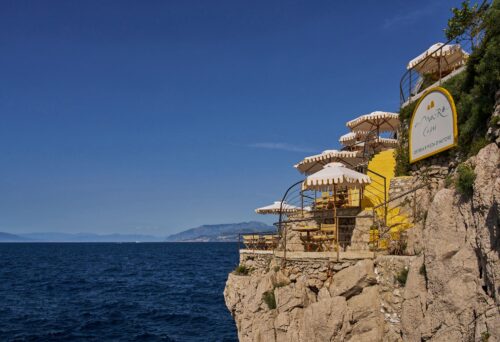
Down the island, on the cliff next to the Blue Grotto, the experience takes on a different character. Il Riccio Restaurant & Beach Club focuses on fish and seafood served almost on the water’s edge, and next to it is a-Ma-Re Capri, a relaxed au lait offering Neapolitan cuisine and pizzas overlooking the open sea.
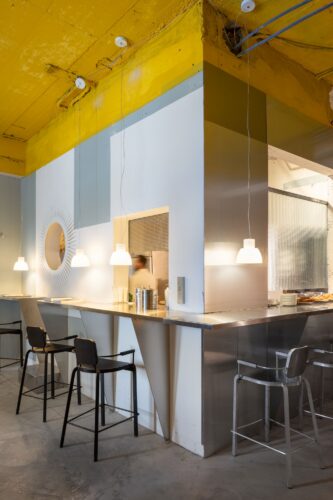
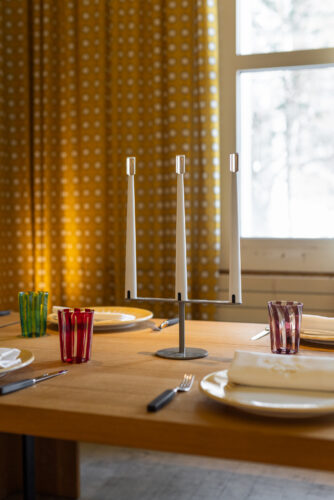
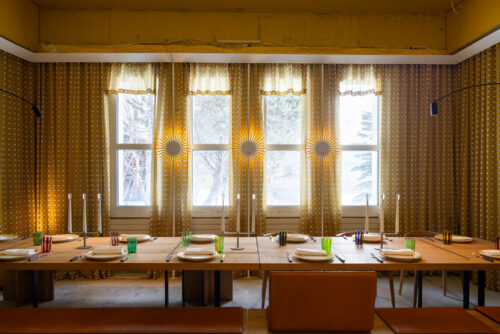
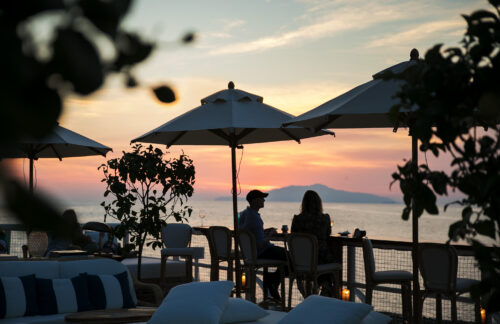
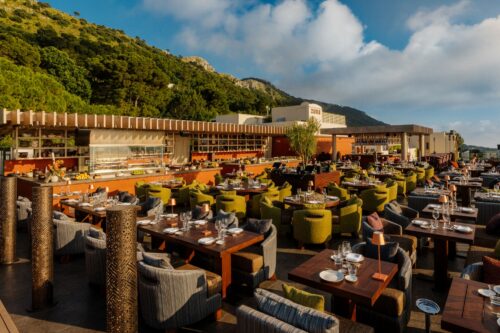
As evening falls, the experience returns to the hotel and Zuma Capri, located on the highest terrace and combining contemporary Japanese cuisine, cocktails and music with a view of the sunset over the Bay of Naples. At Bar degli Artisti, cocktails and music meet the hotel’s art collection. Together, the various locations allow you to move from a meticulous two-Michelin-starred meal to fish by the sea, Neapolitan pizza, or a cocktail at sunset, without straying from the Mediterranean character that accompanies the entire hotel.

environment
Jumeirah Capri Palace’s location allows you to step out and discover some of the most iconic sites of the western part of the island. Just a short distance away are Monte Solaro, the highest point on Capri, Villa San Michele, Casa Rossa and the Church of San Michele, while further down along the coastline is the Blue Grotto, one of the island’s most iconic symbols. The hotel also offers cultural itineraries that connect its private art collection with Capri’s historical and artistic sites.
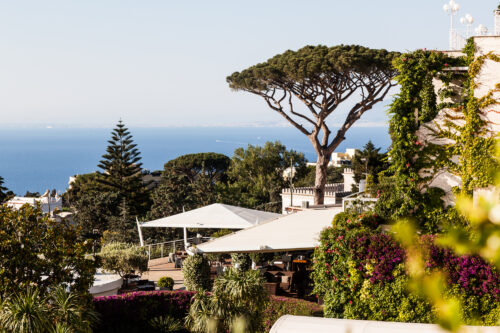
The location in the heart of Anacapri allows you to maintain a sense of remoteness even when staying at the hotel. The views of the Bay of Naples and the connection to the landscape continue inside. In Patricia Urquiola’s redesign, the terraces, openings and materials bring the colors, textures and light of Capri into the spaces, so that the island does not remain just a view from the outside, but becomes part of the architectural experience itself.
Experience
The hotel experience is largely built on the choice between complete seclusion and going out to discover the island. You can spend the day between the pool, the spa, the art and the restaurants without leaving the hotel, but you can also use it as a starting point to discover sides of Capri that are less seen in a short visit.
One of the most natural ways to do this is from the sea. The hotel’s fleet of private boats allows you to set off on a cruise around the island on a motor yacht or a traditional Gozzo boat, passing through hidden coves, the Faraglioni rocks, the Blue Grotto and Villa Malparte, or continuing further towards Ischia, Positano and the Amalfi Coast.
At the same time, art offers a different kind of discovery route. Along with the changing exhibitions, the art curator service and the works that appear in unexpected places turn even a simple transition from the room to the pool into an opportunity to encounter a new work. In 2026, the hotel continues to expand this activity through exhibitions and collaborations that connect contemporary art, landscape, and hospitality.
Original Architecture | Gianfranco Frattini
Design & Renovation | Patricia Urquiola
Photography | Andrea Ferrari & Courtesy of Jumeirah Capri Palace
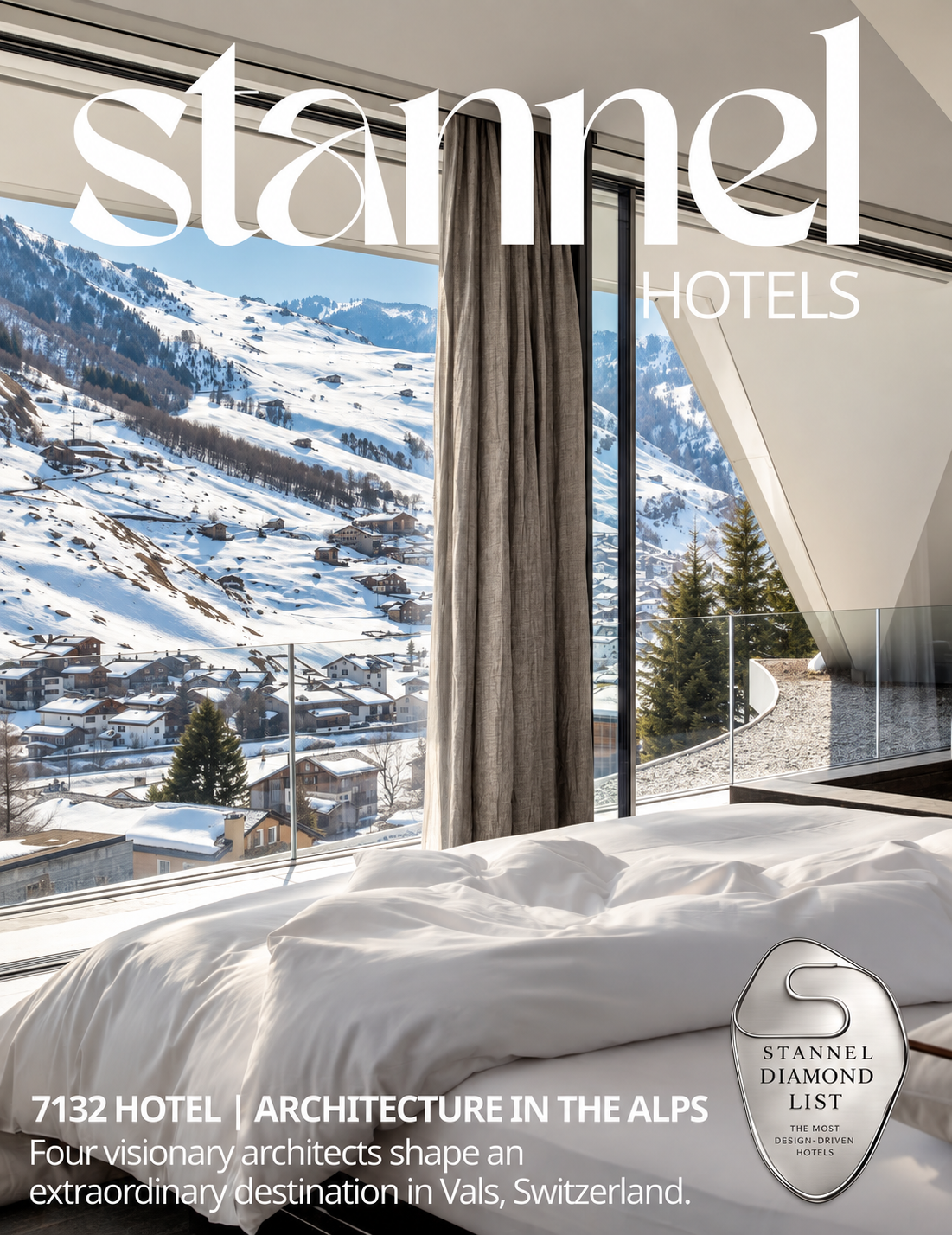
The Vals Thermal Baths – one of the most recognizable works of Swiss Pritzker Prize-winning architect Peter Zumthor – recently returned to the spotlight with the world premiere of From Inside Out – The Architecture of Peter Zumthor at the Venice Film Festival. Wim Wenders’ new documentary, shot over more than 14 years in 3D […]
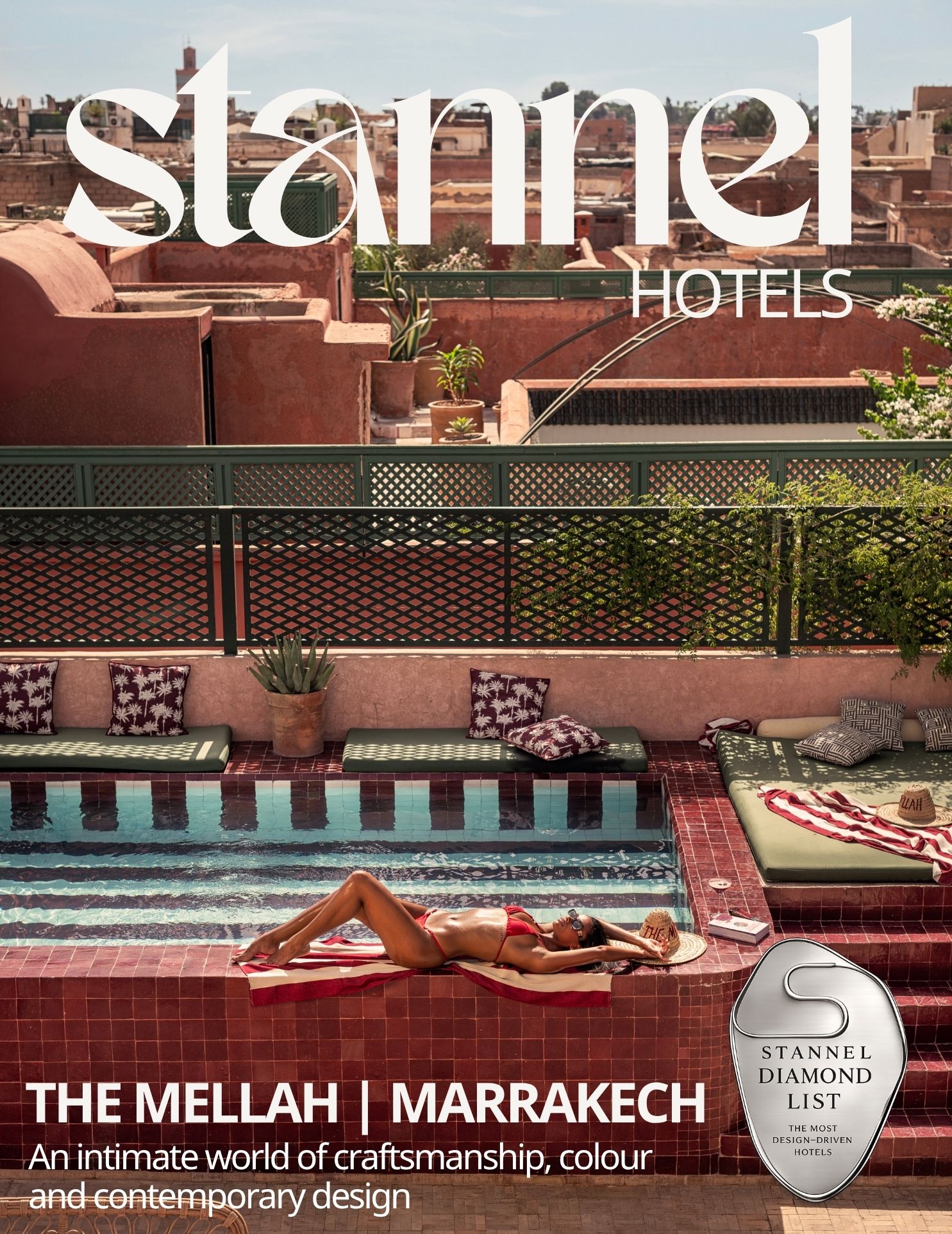
“We didn’t set out to build a hotel. We wanted to create a home, one that we ourselves would want to stay in,” says Zakaria Lamrani, one of the founders The Mellah. This sentence perfectly sums up the idea behind the boutique hotel, hidden in the heart of the old city of Marrakech, in the […]
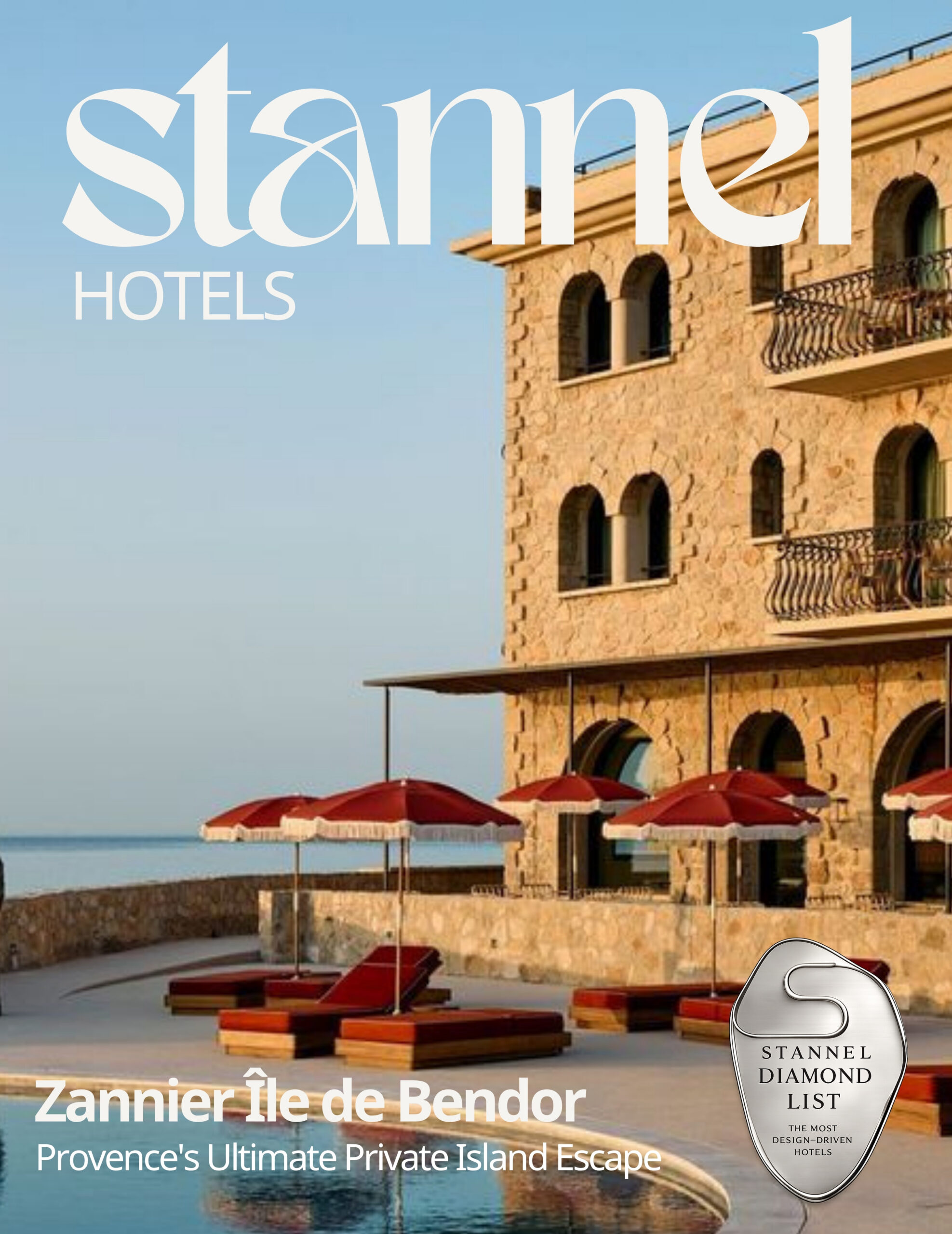
On a private 70-dunam island just off the coast of Bandol in Provence, and only a seven-minute boat ride from the French Riviera, Zannier Bendor Island opened its doors last spring. The retreat comprises 93 rooms and suites spread across three distinct settings, each offering its own interpretation of island living. Its opening marks […]



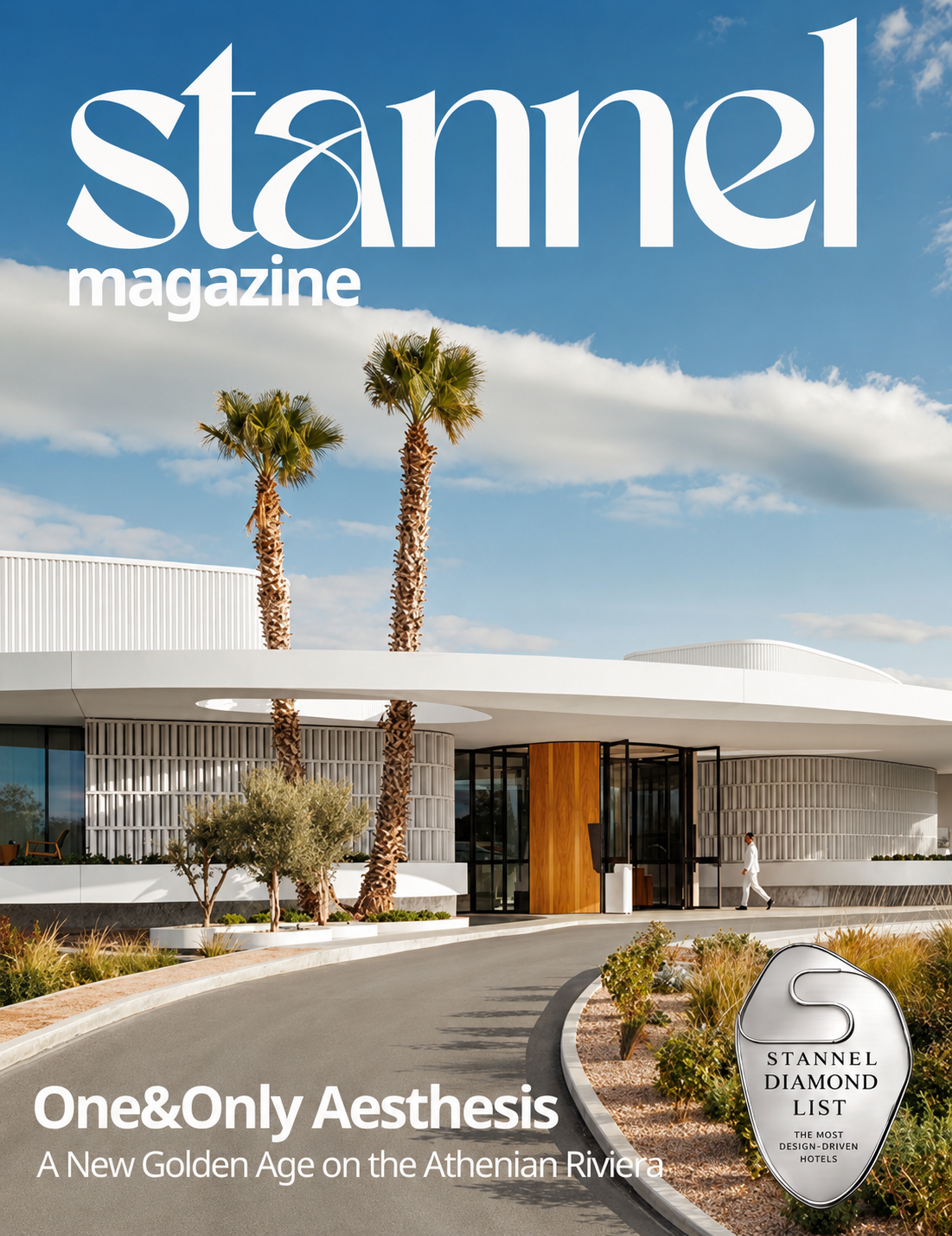
There are places that carry with them not only architectural history, but also an entire cultural baggage. One&Only Aesthesis Born from an attempt to bring back to the present the spirit of Astria Glyfada, the iconic resort that once marked the glory days of the Athenian Riviera. Located in Glyfada, south of Athens and overlooking […]
AUDO

A6Architects

K-Studio

ASPA KST
Muza Lab

210 Dunam
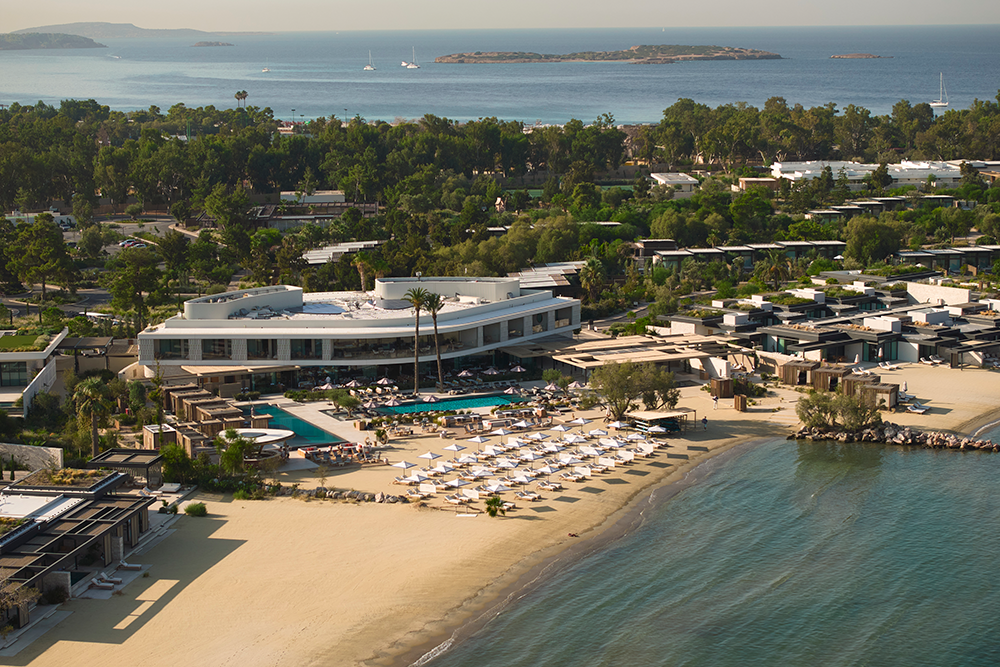
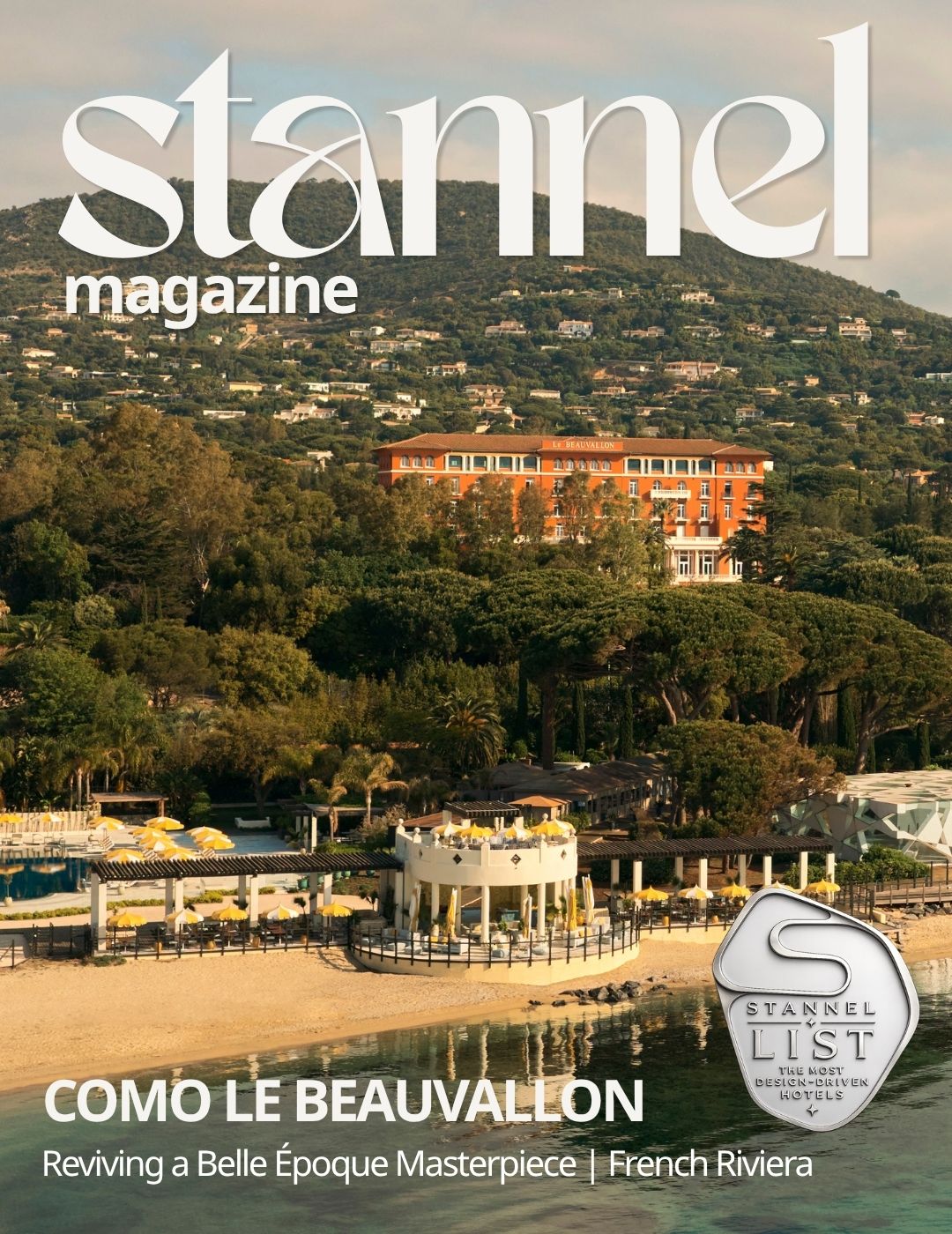
On a hill overlooking the Bay of Saint-Tropez, inside a spacious mansion on the French Riviera, recently reopened COMO Le Beauvallon – A hotel that combines the splendor of the early 20th century with a contemporary hospitality concept.The hotel is located in Grimaud, southern France, inside a palace that first opened in 1914 as Le […]
400 Dunams


In the heart of Point Canyon in southern Utah, on an area of approximately 3,700 acres, among the desert landscapes and rock formations of the Grand Staircase-Escalante National Monument and a short distance from Lake Powell, lies Amangiri, one of the iconic hotels of the Aman Group, identified with a quiet, precise and place-connected hospitality […]
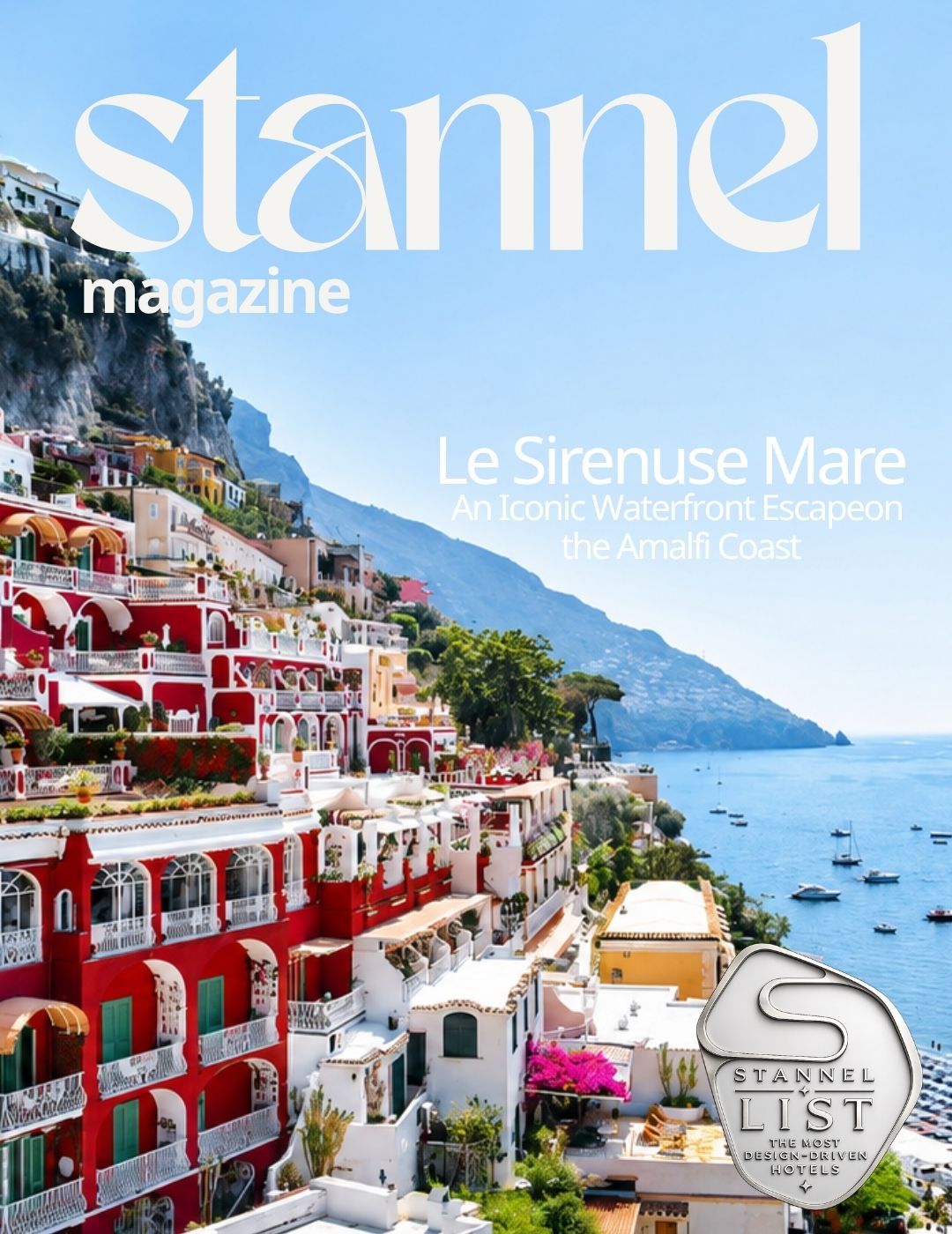
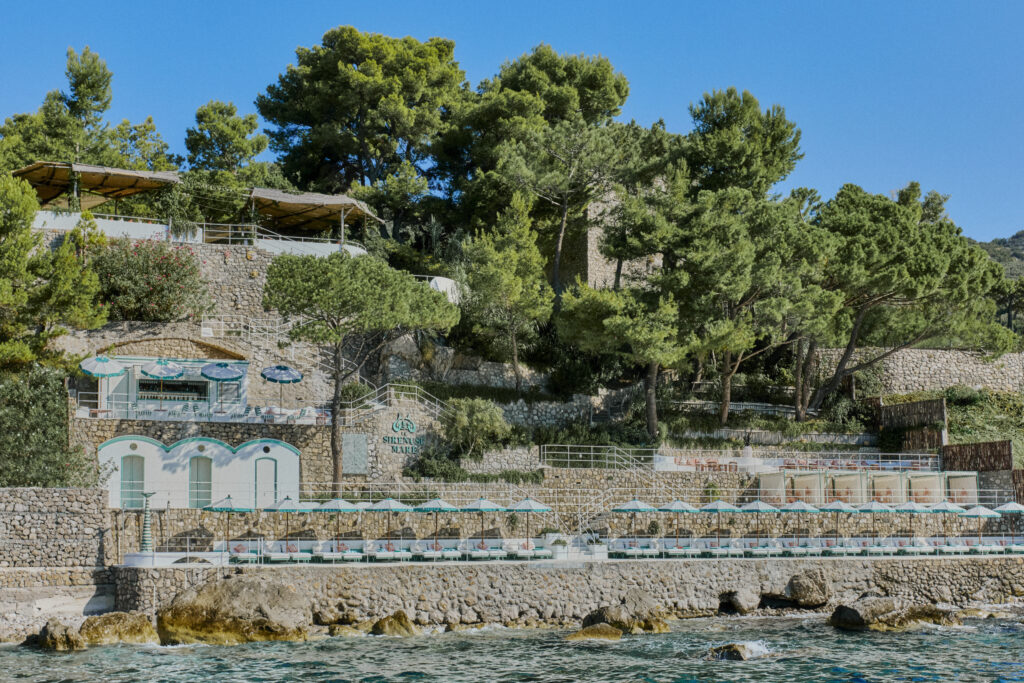
In Marina di Cantone in Narano, a small fishing village on the Amalfi Coast and about 25 minutes by boat from Positano, the new beach complex of the iconic Le Sirenuse hotel has recently opened. The project, which spans some 3,350 square meters of terraces descending to the sea, was planned and designed by Annarita […]
3350 SQM
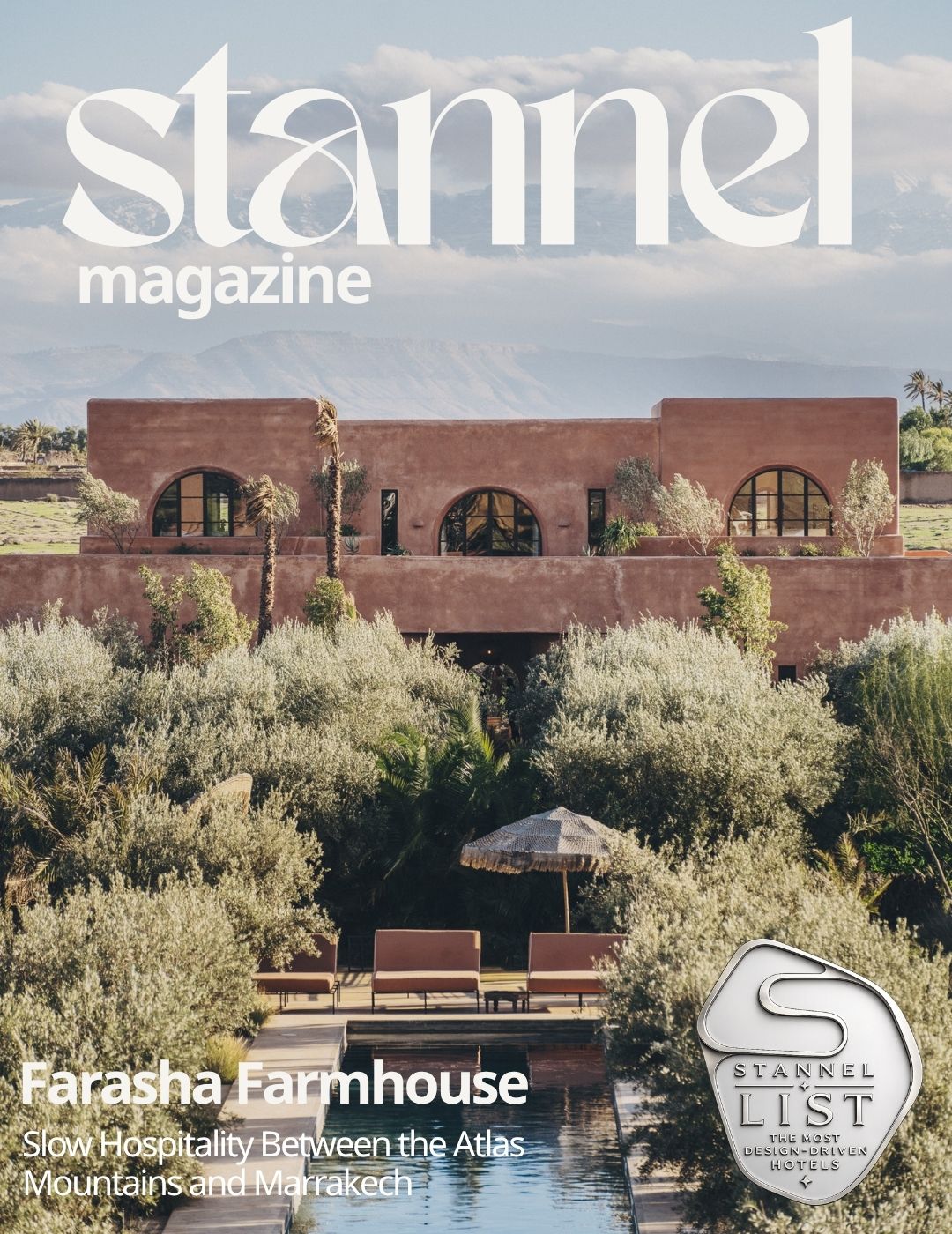
Farasha Farmhouse Located in Morocco, about a 40-minute drive from Marrakech airport, on an open plain between the Atlas Mountains to the south and the Djibouti mountain range to the north. The new farmhouse was designed by Moroccan architect Idriss Karnachi from Studio Noss Noss, in collaboration with Robert Wright, partner in the complex and […]
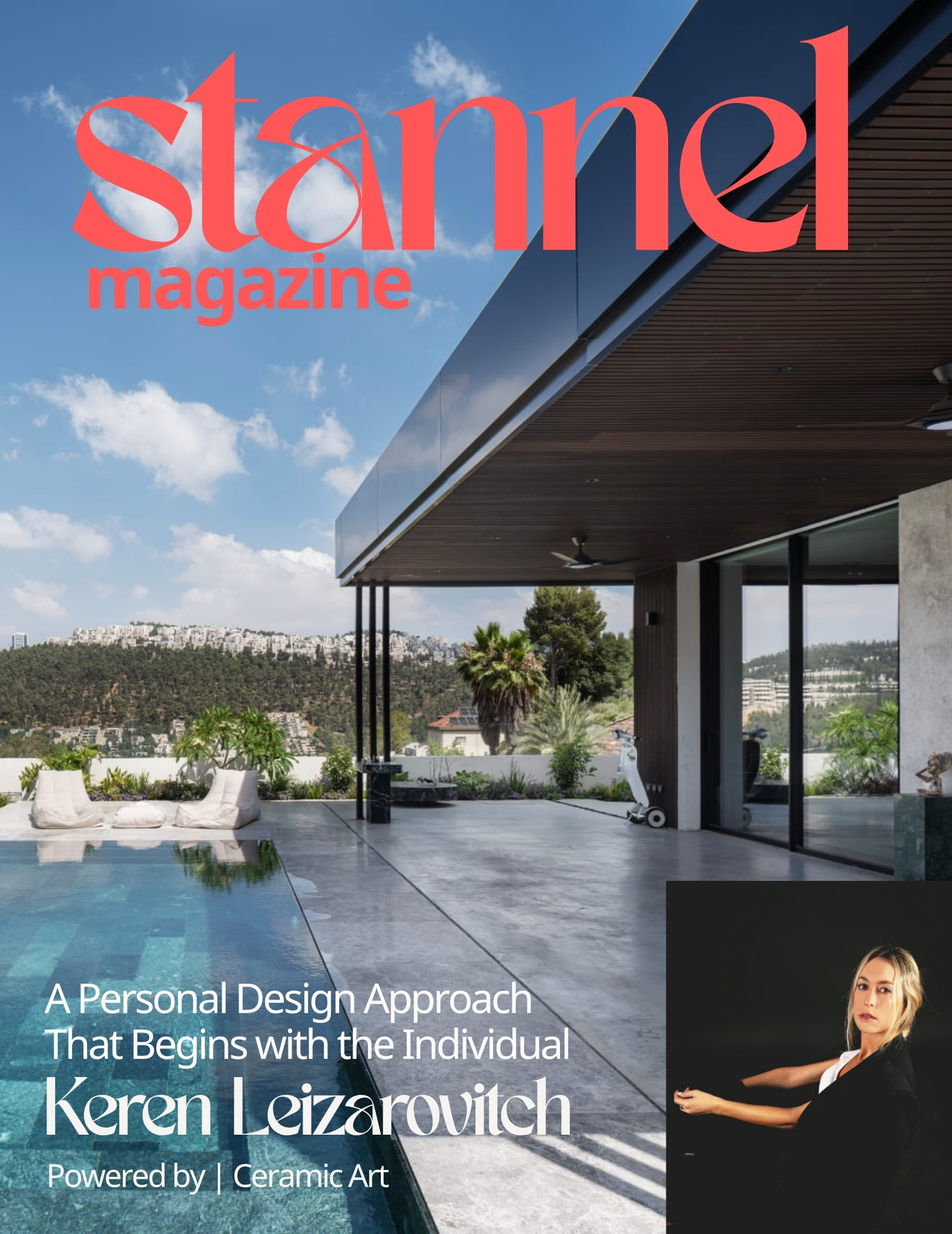
For architect Keren Lizarowitz, designing a home begins long before the first line is drawn. It begins with understanding the people who will live there, how they move, what they need and, perhaps most importantly, how they want to feel. Ofri Paz | STANNEL “I am responsible for the peace of the house,” she says, […]
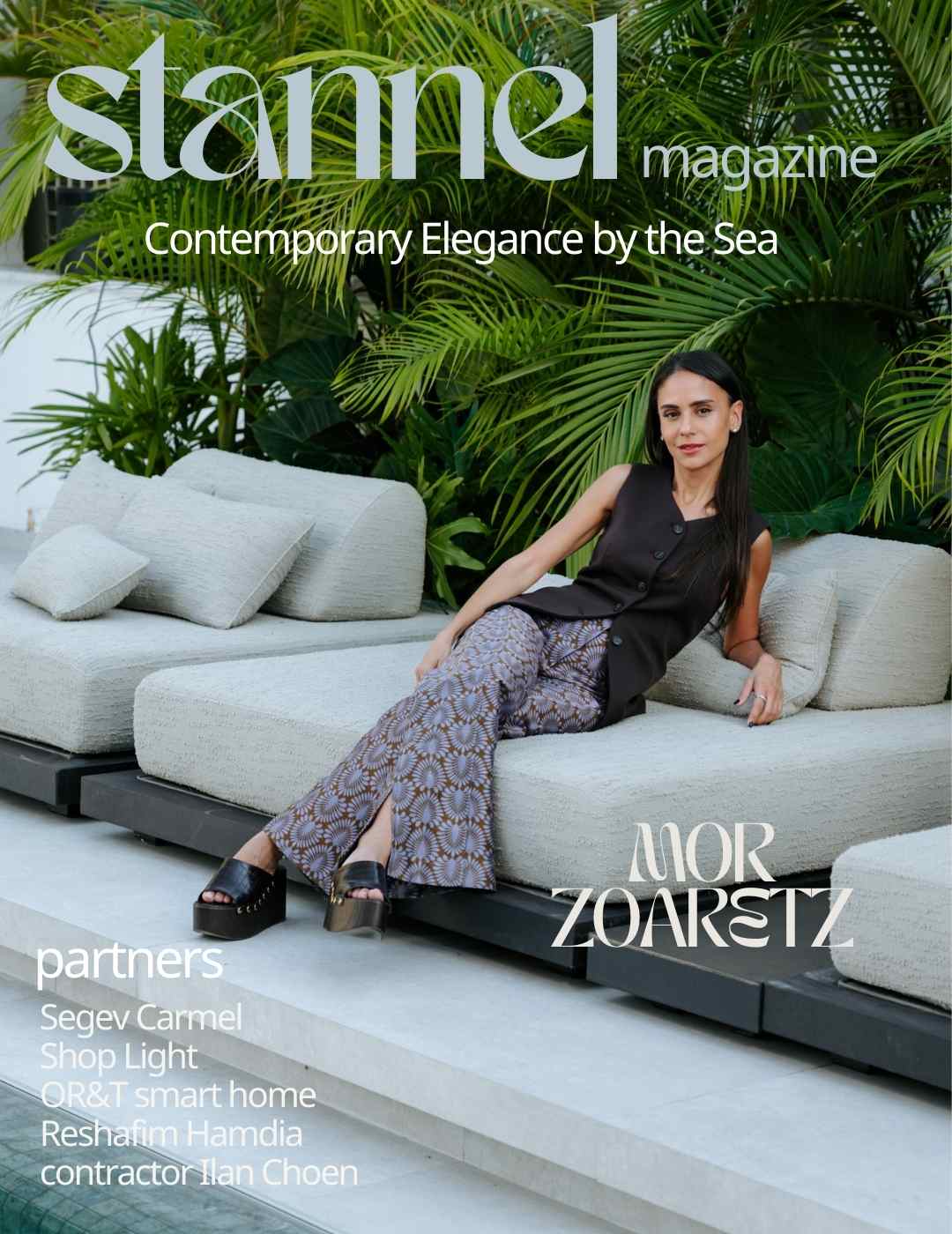
On the Ashkelon coastline lies a prestigious and impressive residential project covering an area of 560 square meters, planned and designed by architect and interior designer Mor Zuaretz. The house offers a contemporary and precise interpretation of a family home – one that gives each family member intimacy and quiet, while at the same time […]
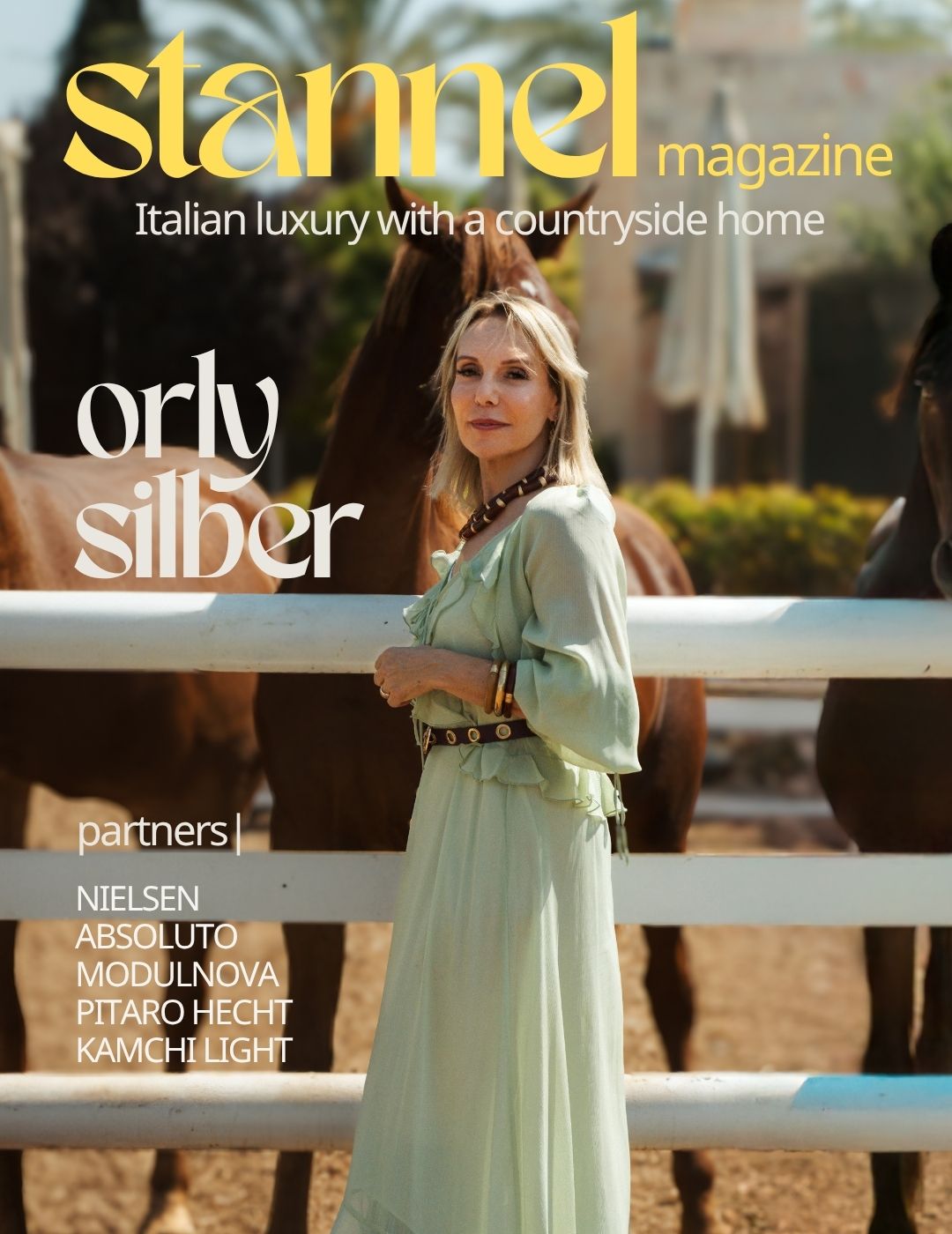
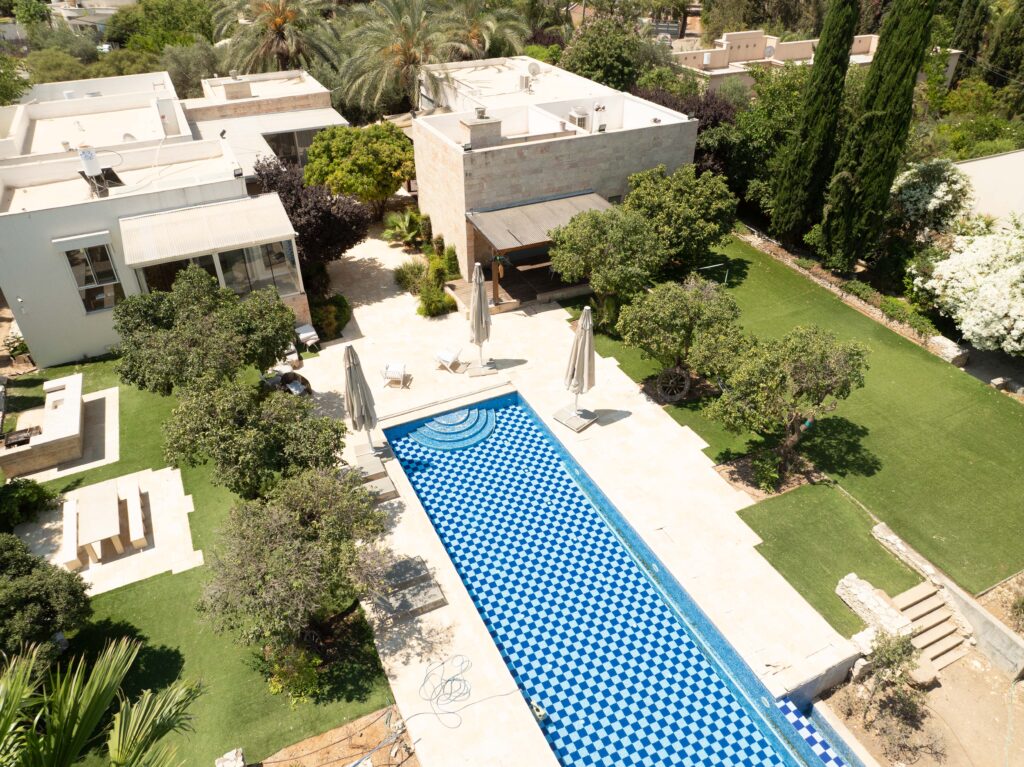
Renovating a house in a moshav in central IsraelFor a senior couple whose four children have grown up and started families. “This house is the dream of every extended Israeli family. It is the center of life for all the children and grandchildren and serves as a place for everyone to spend time together. It […]

360 SQM
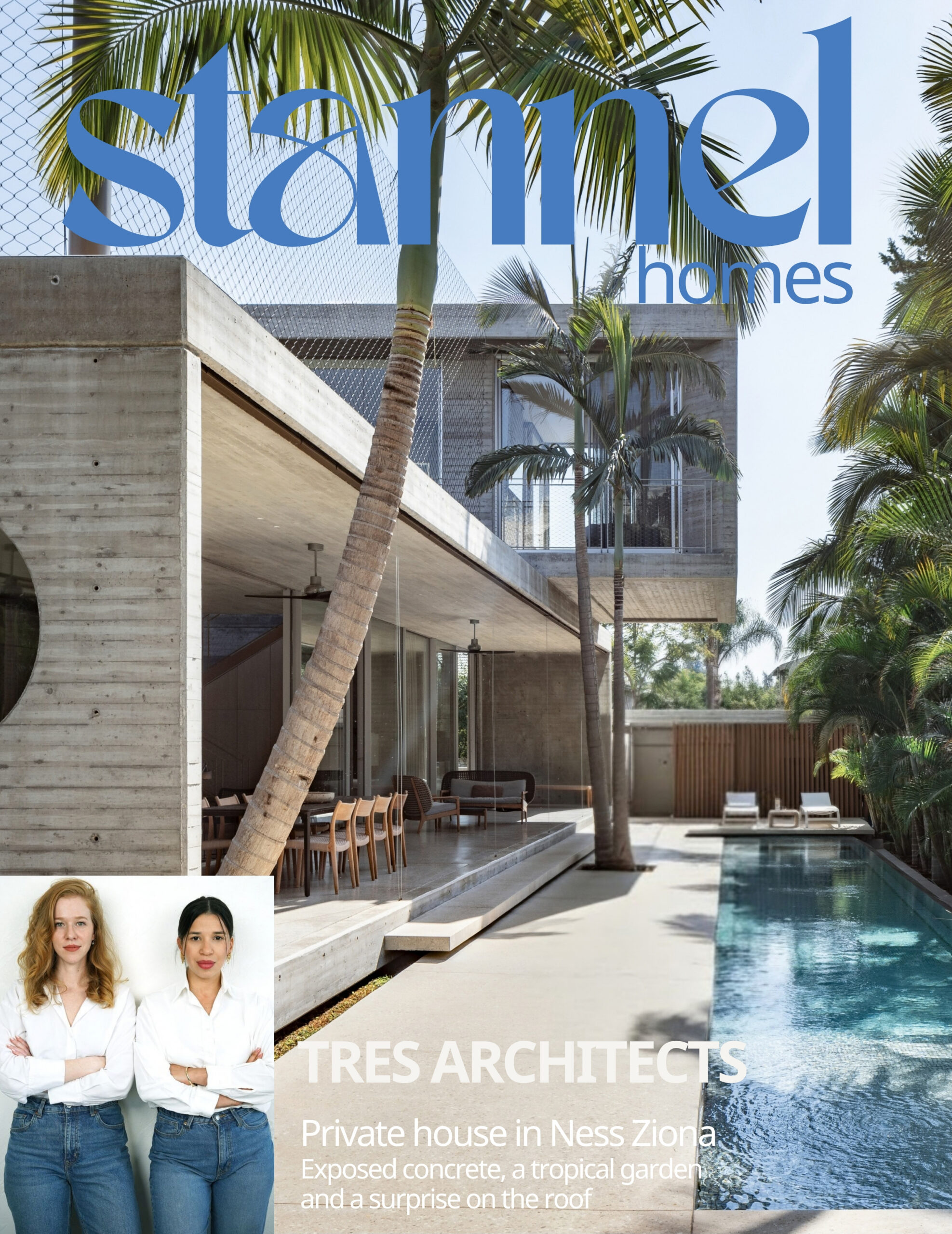
On a long, narrow lot in Ness Ziona, Maya and Coral, owners of a studio, planned TRES architecture, a two-story house spanning 740 square meters for a couple and their two teenage children. The requirement was ambitious in terms of the proportions of the plot: alongside an open and spacious family home, the tenants also […]
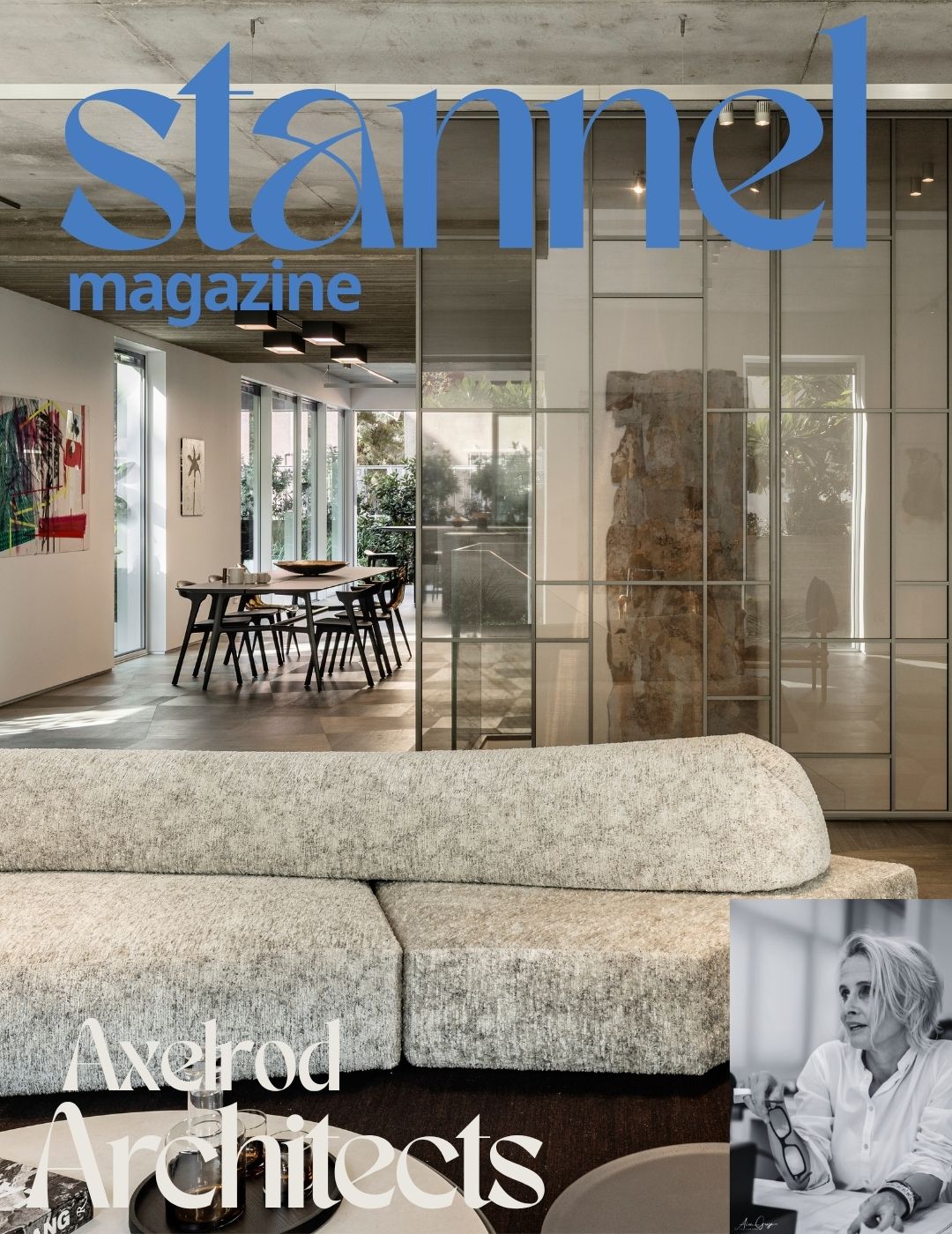
In the heart of Tel Aviv, on a quiet street surrounded by preserved buildings and in a layered urban atmosphere, a garden apartment is hidden that offers an escape from the city without being disconnected from it. Behind the street facades and the Tel Aviv hustle and bustle outside, an intimate living space opens up, […]
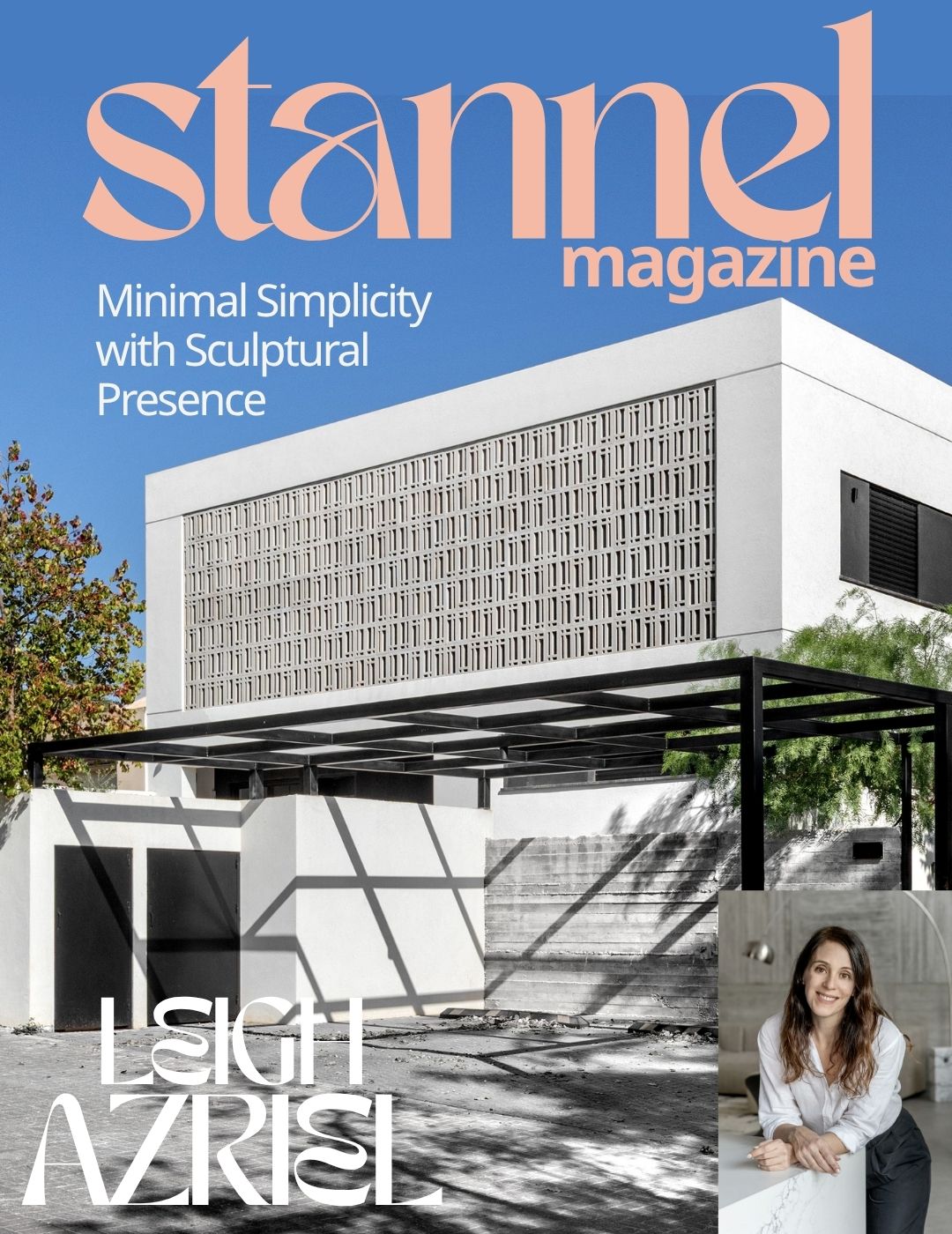
In a Suburb at the center of the country, facing an open view of a wadi and green nature, interior designer Lee Azriel planned and designed a two-family house for a family of five, a couple of parents and three sons aged 14, 12 and 7. The house, which has an area of approximately 260 […]
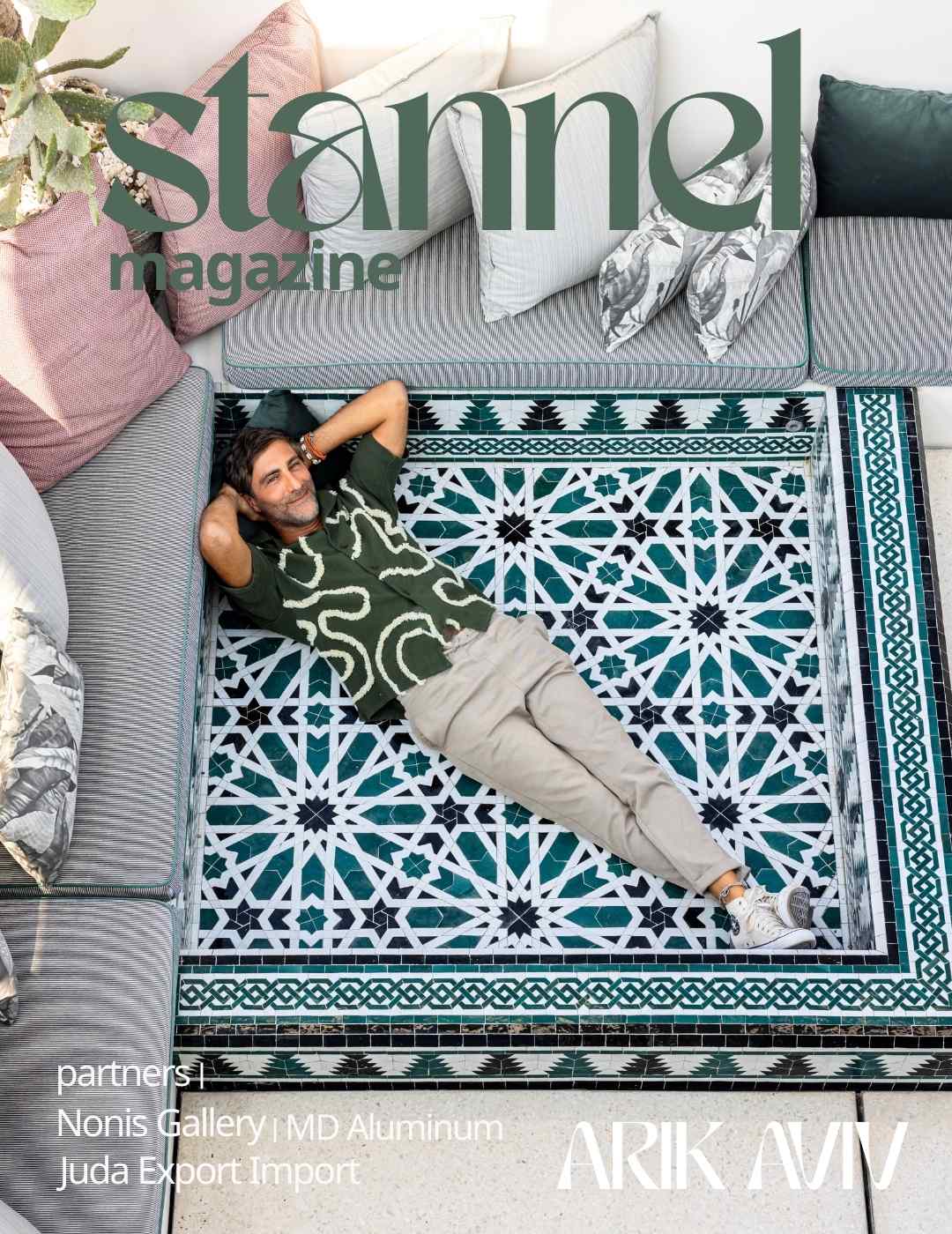
A remarkable renovation transforms a penthouse in one of Tel Aviv’s preserved buildings from a holiday apartment into a generous home designed for living, art and entertaining. Drawing inspiration from both historic Jaffa and the White City, the project extends onto an expansive rooftop conceived as a true urban garden above the city. Ofri Paz […]
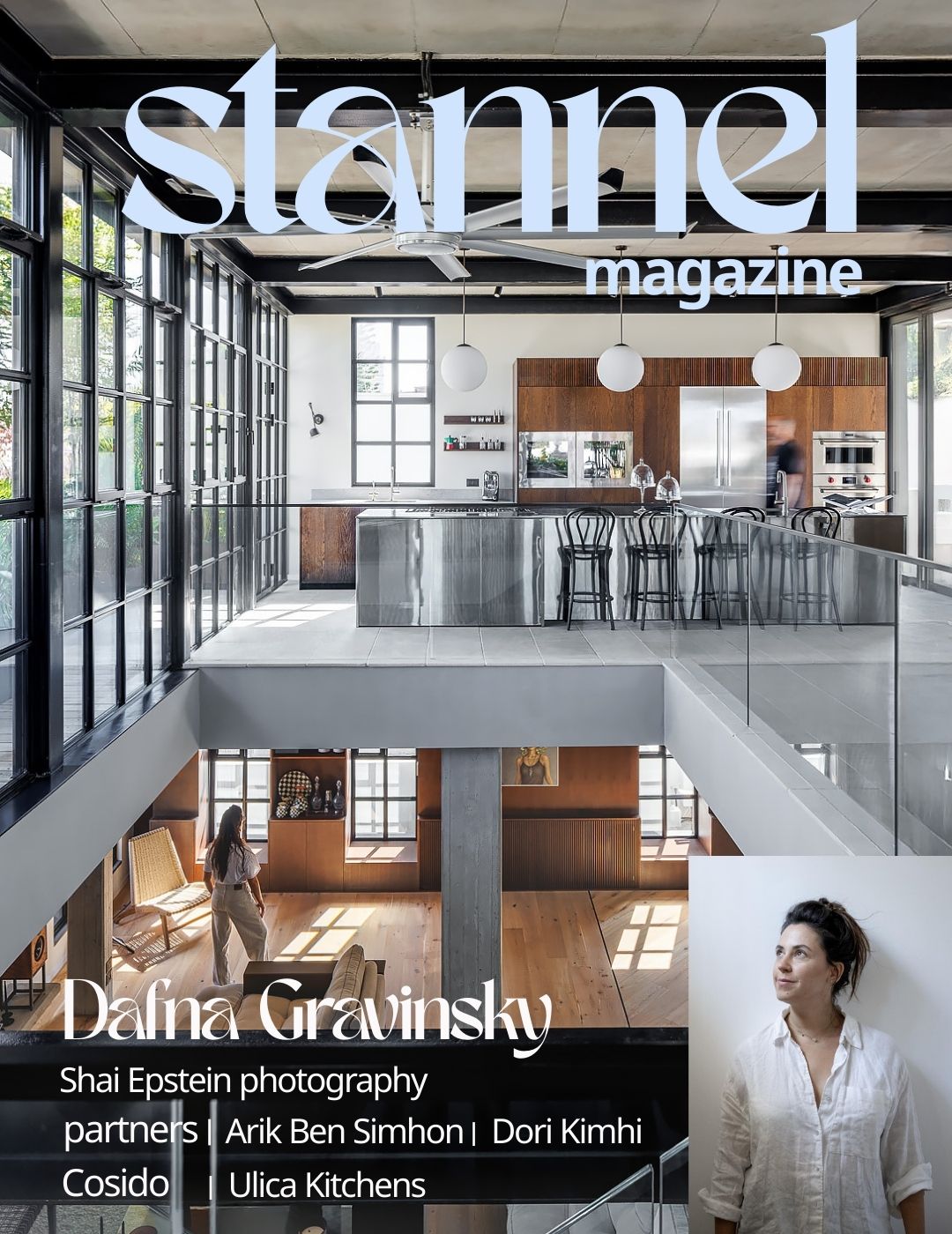
A couple and their three teenage sons purchased a house on a quiet street in north Tel Aviv and turned to interior designer Dafna Lia Grabinsky to renovate the house. In its original state, the house was stiff and rough, and they wanted to adapt it to their lifestyle and the values they brought with […]
A house in Herzliya Pituach, built for a family of six on a dunam-sized plot of land.The existing house was demolished and a 600-square-meter house was built in its place, spanning three levels. “For the family, which was expanding in advanced planning stages, it was important to create a large and spacious living space that […]
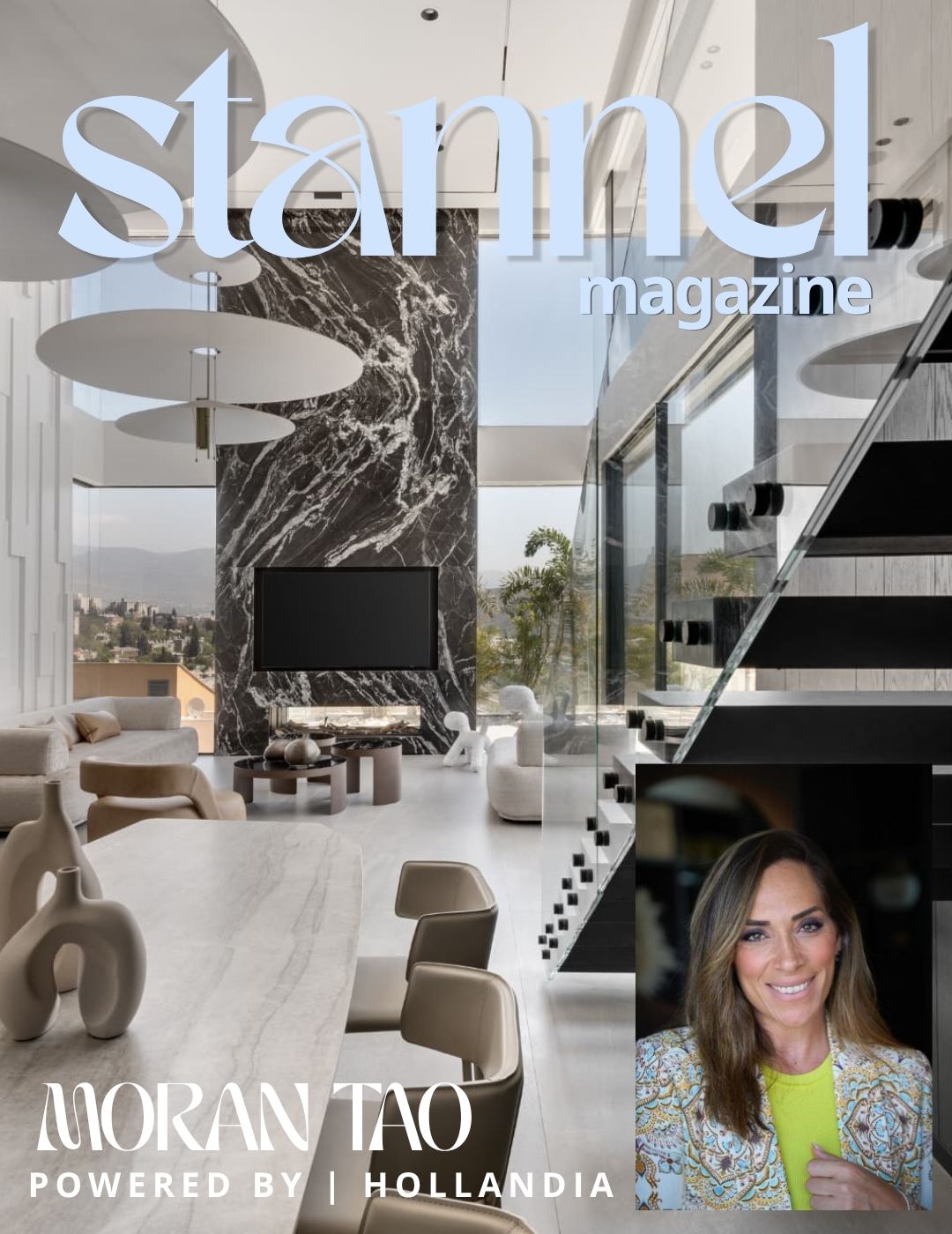
On a mountainside in Karmiel, above the street line and within an envelope of glass, stone, and wood, a house was built that creates interest in every corner. The house, which was planned and designed by architectural engineer and interior designer Moran Tao for a couple and their three teenage children, spans approximately 250 square […]
250 SQM
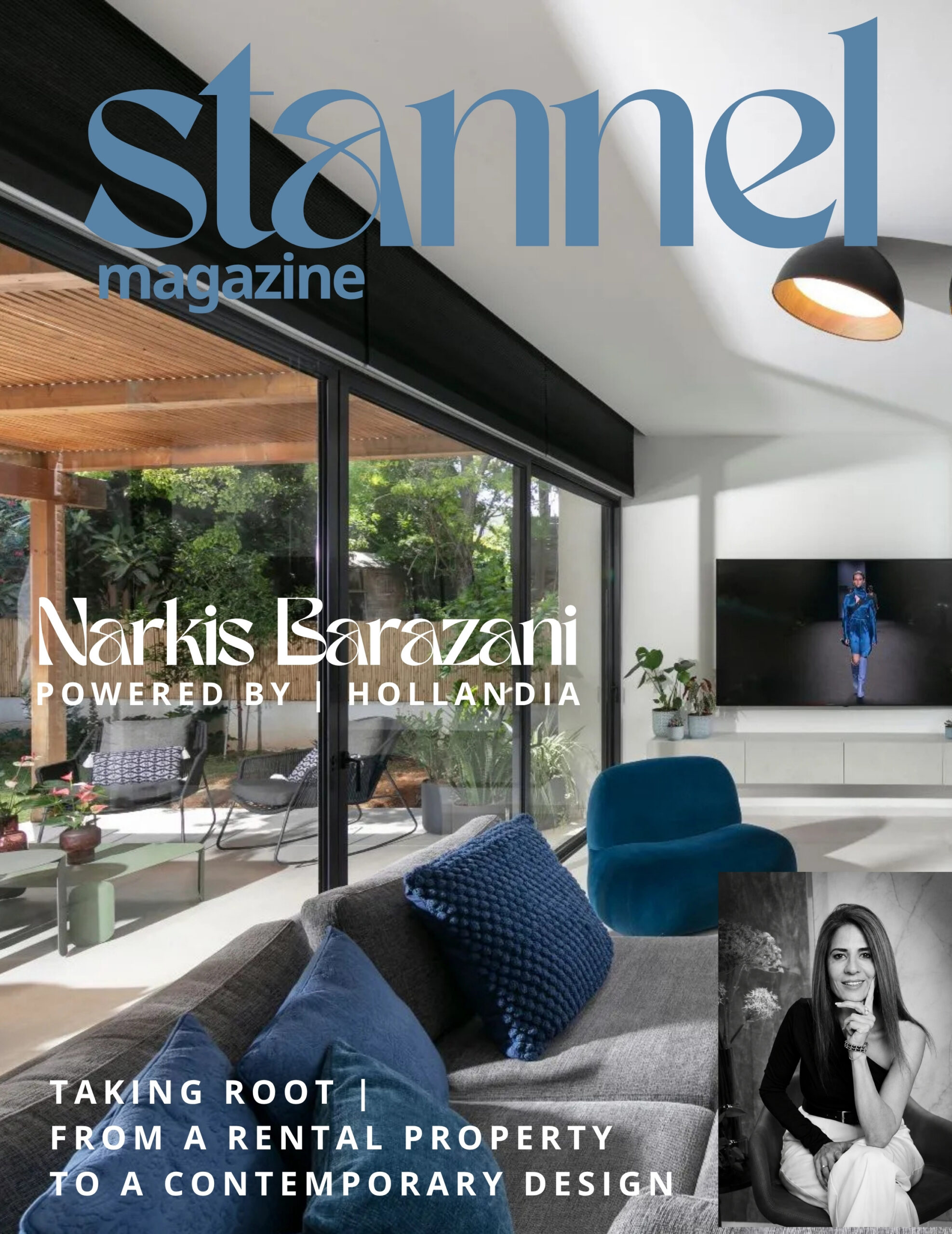
In Moshav Shilat, a private house that had been rented for years, a living space was rebuilt that tells a story of returning home. A couple in their 30s and their two young children sought to transform the old house into a contemporary, calm and precise family home, one that would reflect their lifestyle, the […]
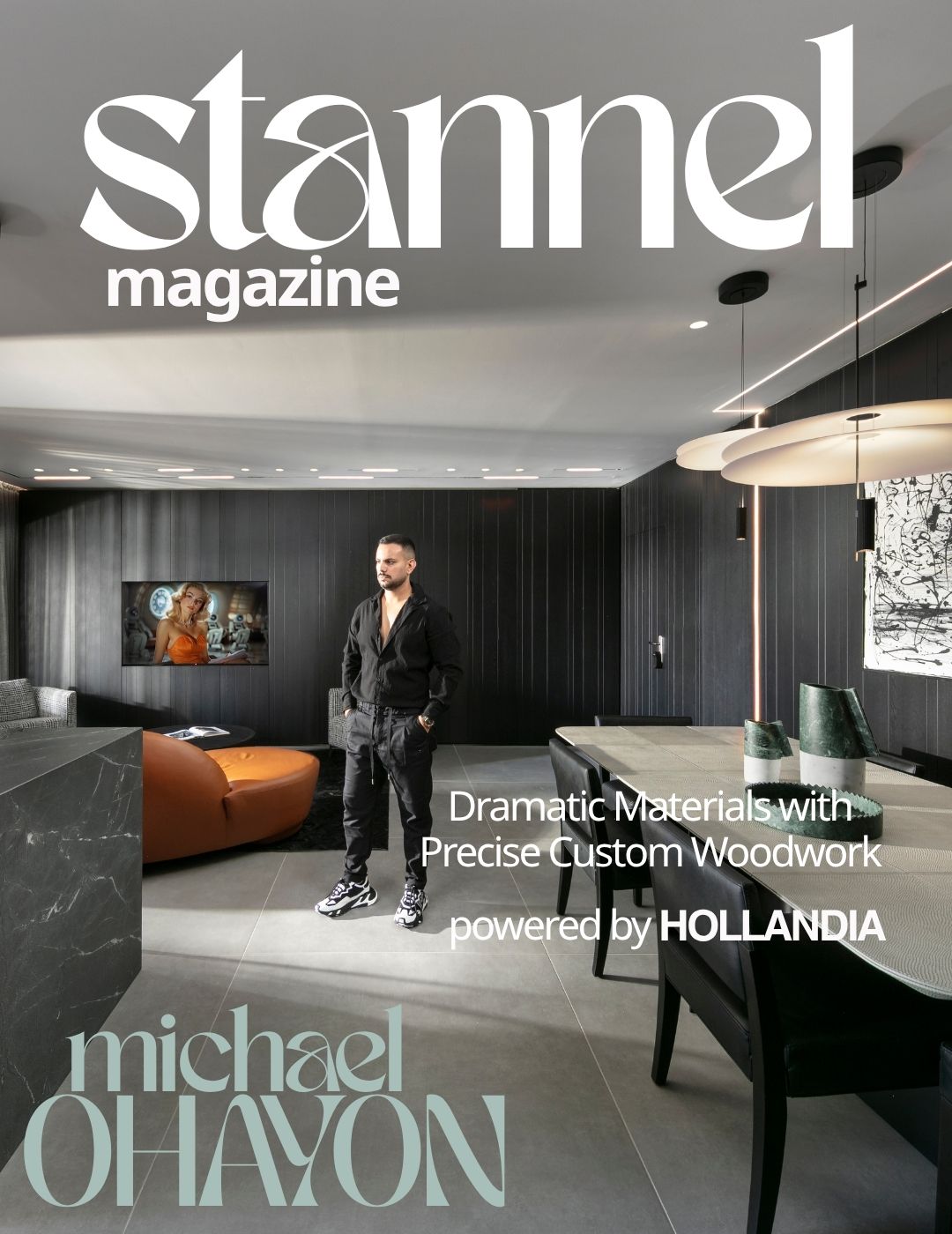
Some projects start with a plan, a material, or a design concept, and some start first and foremost with a person. In an apartment he planned and designed Michael Ohayon In Petah Tikva, the starting point was a client in her 60s, who first wanted to create her own home. The result is a personal, […]
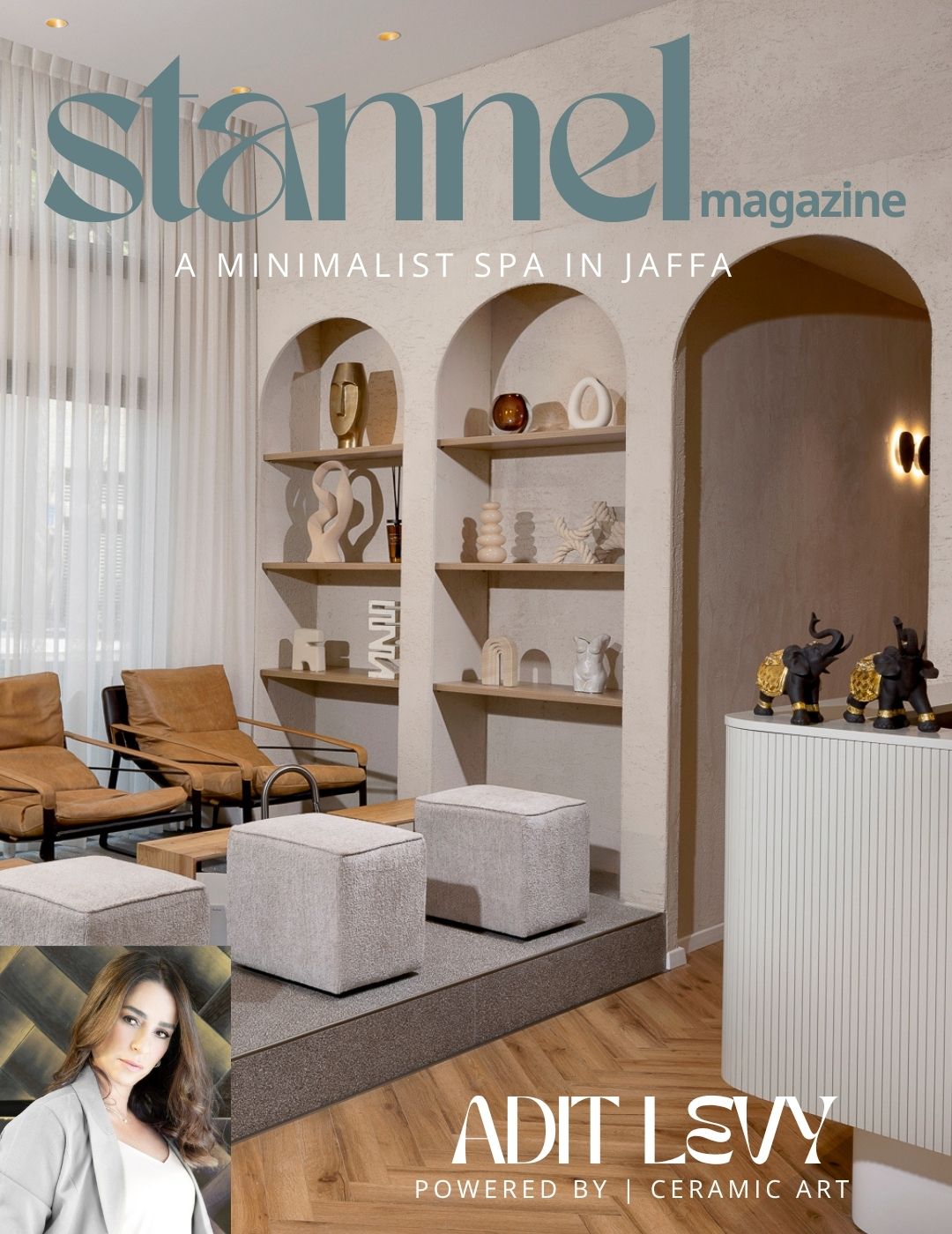
In the heart of Jaffa, in the area of the flea market and the train station, interior designer Idit Levy designed a spa complex covering an area of approximately 350 square meters, designed to offer a meticulous and quiet urban wellness experience. This is a new commercial project, established within a space that previously served […]
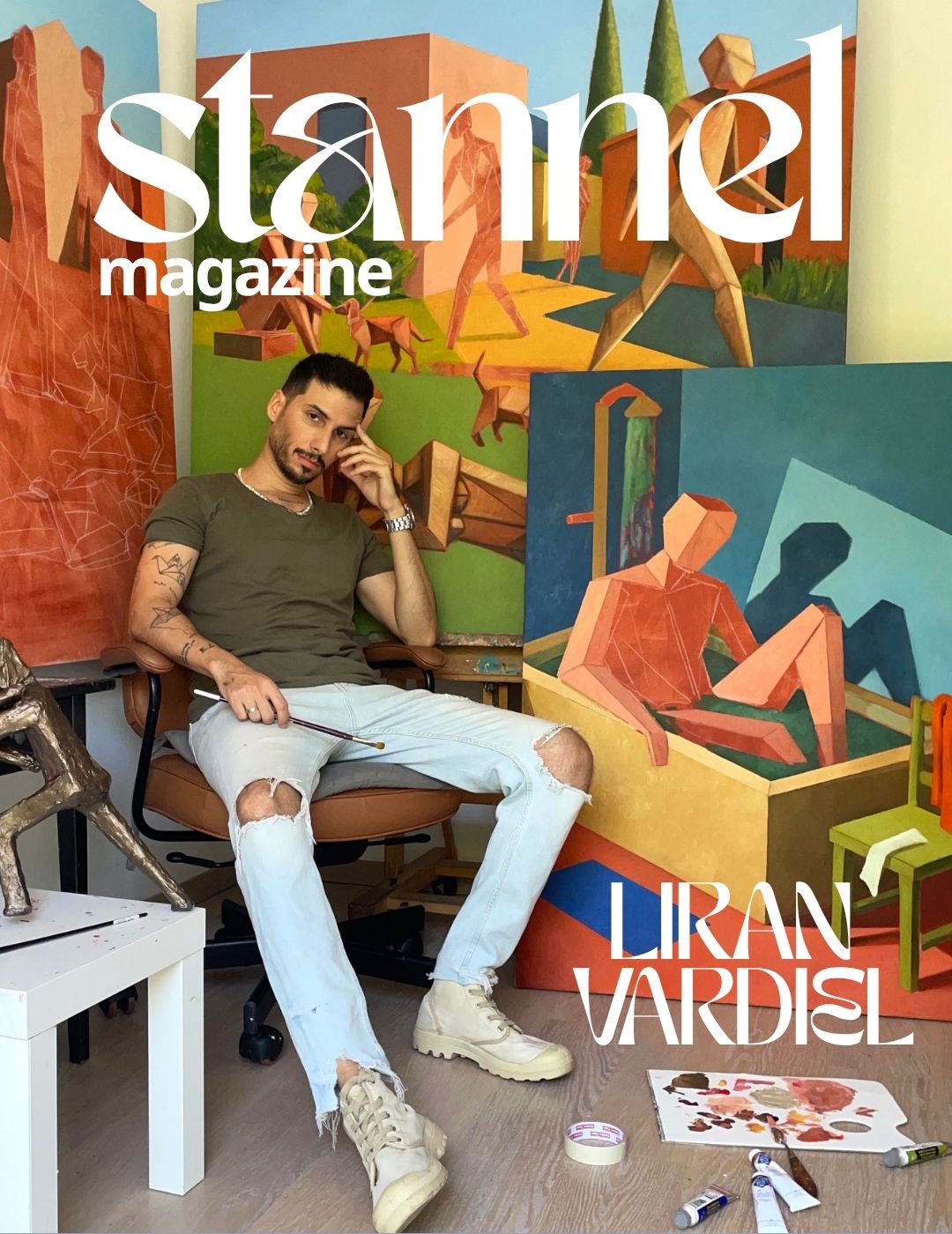
Liran Verdial’s language does not surrender to one clear definition. It moves on a delicate axis between figurativeness and geometric abstraction, essentially dealing not with form, but with a state. An emotional, internal state, one that exists beneath the surface. Ofri Paz | STANNEL The painting begins with a decomposition. The form breaks down into […]
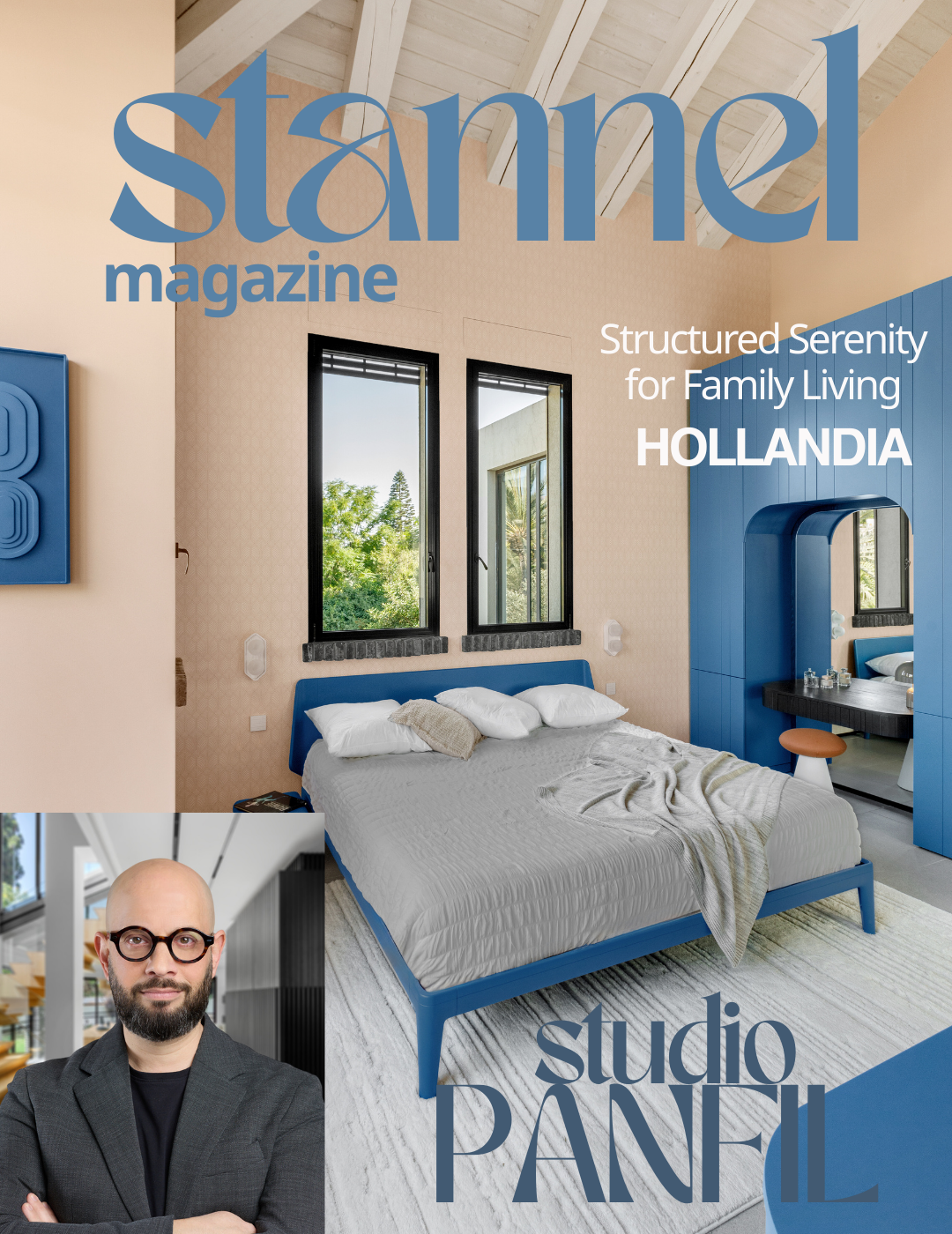
Some houses reveal their potential immediately, even when the way they are organised no longer reflects the lives unfolding within them. This 300 square metre residence in Ramat Gan was one of them. Set on a corner plot in an established neighbourhood, the house was originally built around 15 years ago for an older couple. […]
In South Tel Aviv, surrounded by carpentry workshops, studios and design stores, interior designer Yael Shavit has created a 90 square metre urban penthouse that embraces rather than disguises the industrial character outside its windows. With a 47 square metre terrace almost half the size of the apartment itself, the project was conceived for a […]
The restaurants ofStory GardenThey do not operate within the usual urban space, but rather choose to locate themselves on its quiet fringes, in the heart of green parks, on the banks of lakes, in places where the city makes room to breathe. This choice predefines the experience of visiting: no longer a restaurant as part […]
For this family, the question was not geographical at all, but essential. They wanted to live the city, not observe it from the sidelines. To be a part of it, but not be swallowed up by its rhythm. The choice of an apartment in a renovated building, in one of the small northern neighborhoods of […]
Two contractor apartments in a luxury tower opposite the beach in Hadera were combined into a spacious vacation apartment of approximately 300 square meters, with six rooms. The project, designed by interior designer Itamar Levi, was born from a clear vision: to allow the grandparents, the heads of the family, to gather around them […]
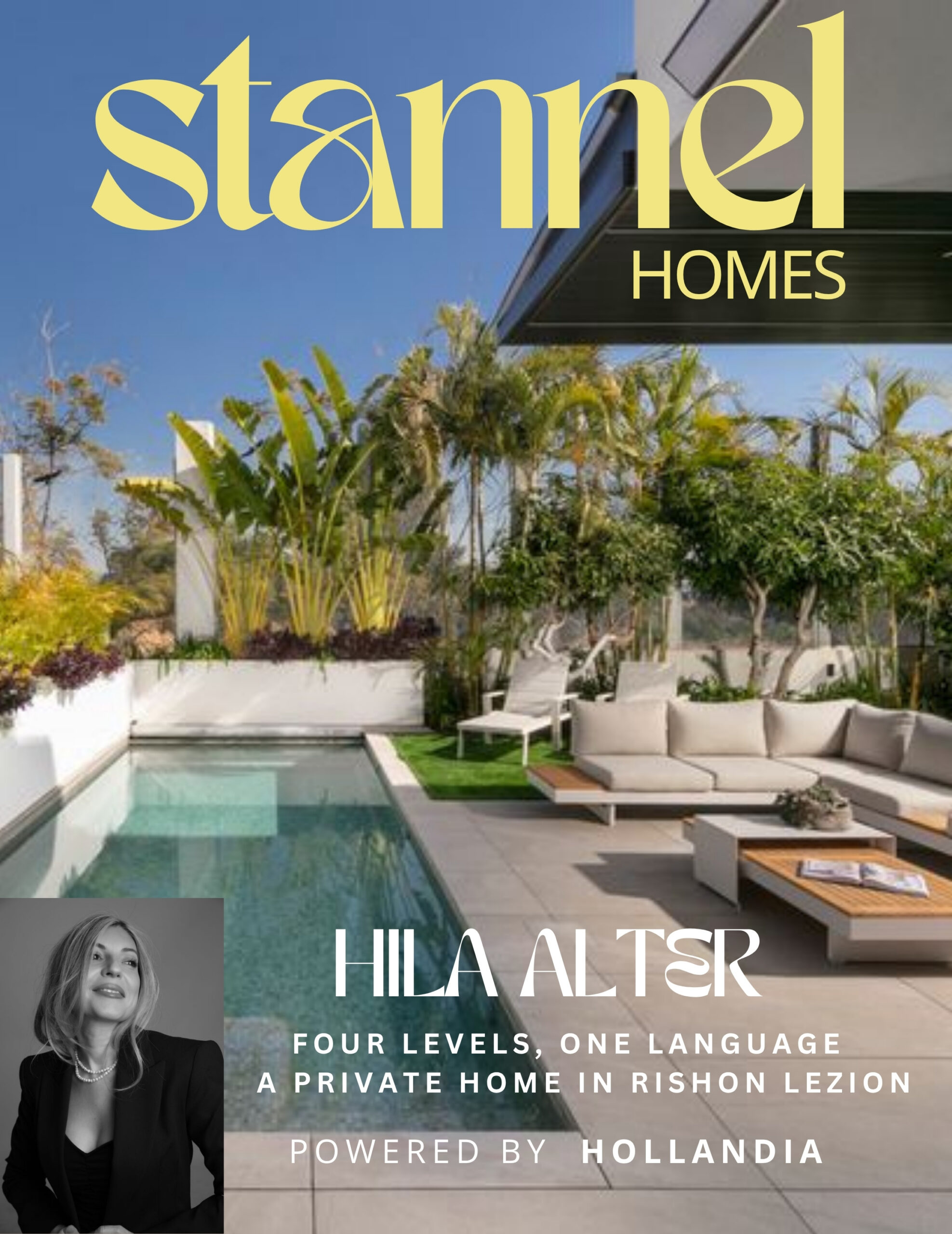
In a private home in Rishon LeZion, designed and planned by Hila Alter, every detail was conceived as part of a larger whole. Lines, materials, custom carpentry, lighting and textiles come together to create a continuous design language that flows across the home’s four levels, balancing a clean, contemporary aesthetic with a warm and inviting […]
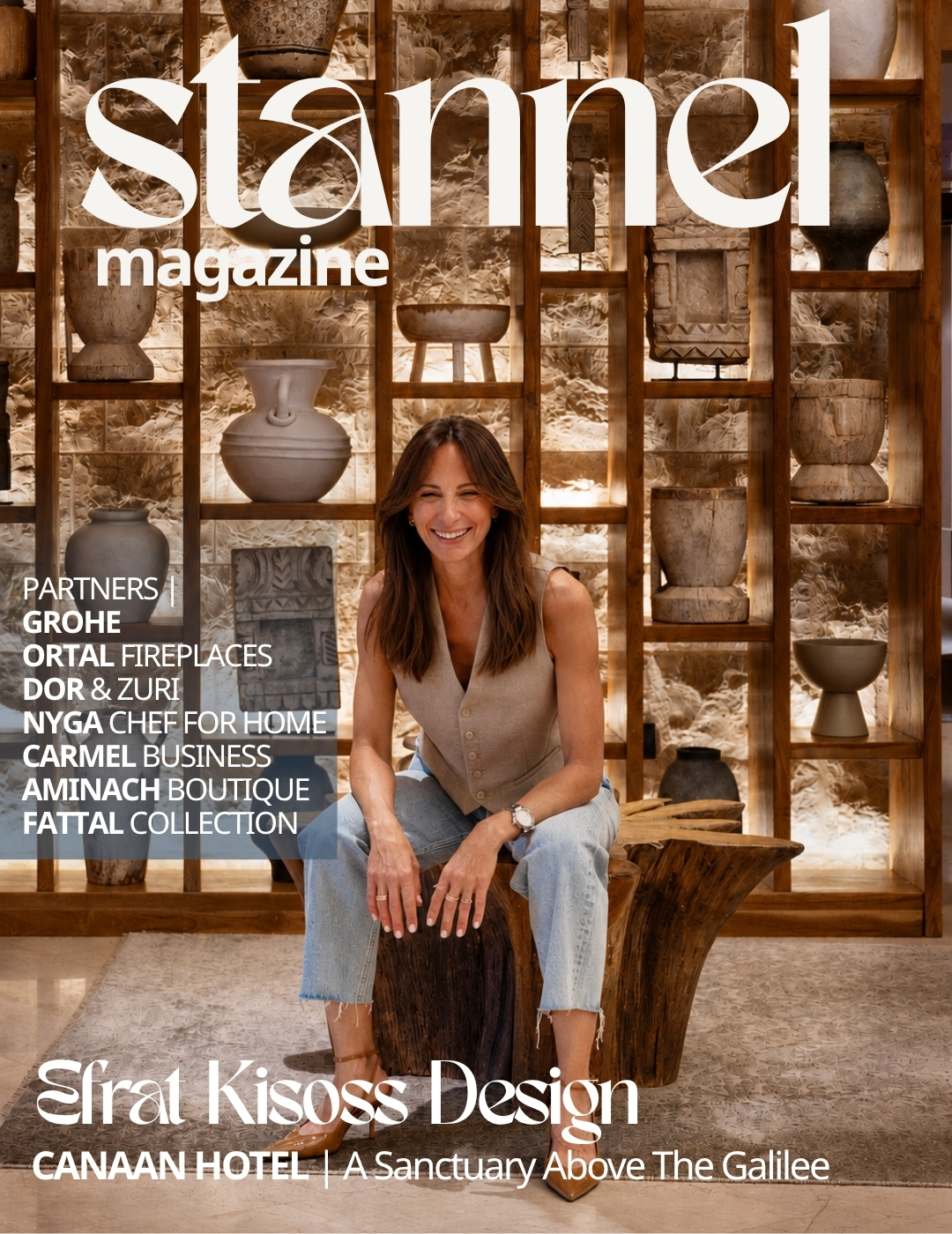
On the summit of Mount Canaan, where the clear mountain air meets the forests of the Galilee and the horizon that opens to the Sea of Galilee and Mount Hermon, time seems to slow down. There is something about this landscape, the local stone, the Mediterranean vegetation, the scents of the pine and oak trees, […]
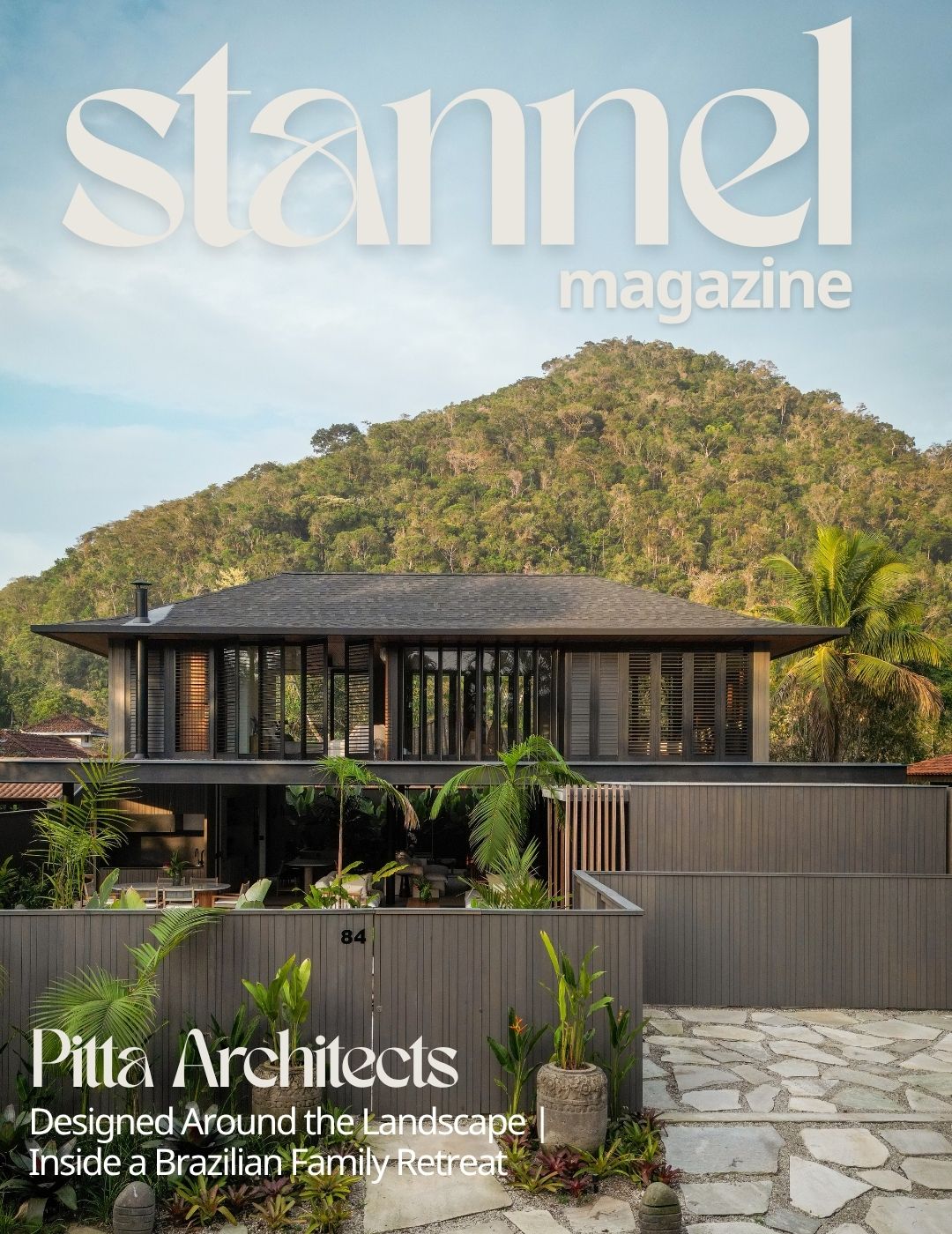
Between the Atlantic Forest and the southeastern coast of Brazil, a family home in Ubatuba offers a quiet encounter between contemporary architecture, natural materials and living close to the landscape. Ubatuba, a coastal city in the state of São Paulo near the border with the state of Rio de Janeiro, is located in a green […]
Farasha Farmhouse Located in Morocco, about a 40-minute drive from Marrakech airport, on an open plain between the Atlas Mountains to the south and the Djibouti mountain range to the north. The new farmhouse was designed by Moroccan architect Idriss Karnachi from Studio Noss Noss, in collaboration with Robert Wright, partner in the complex and […]
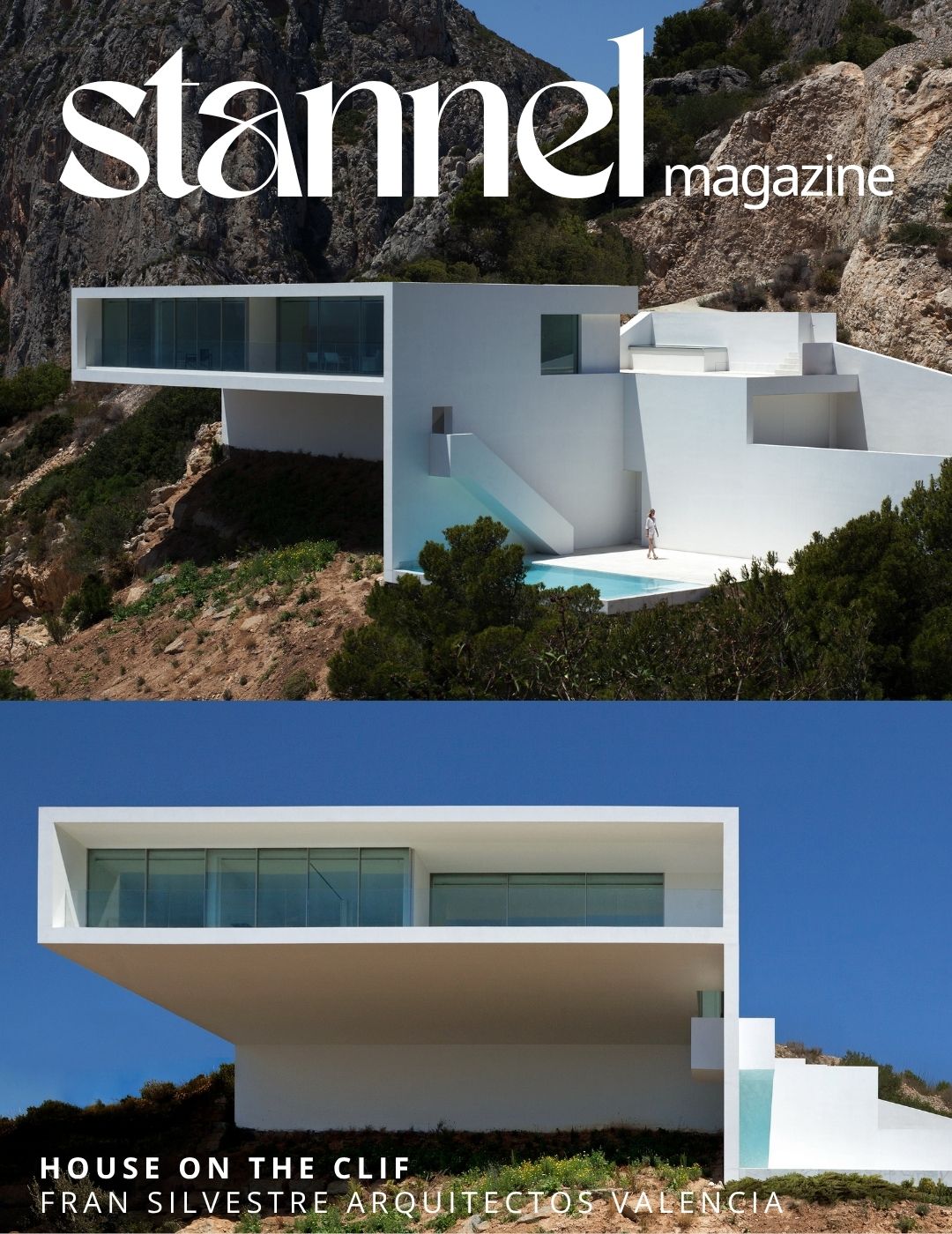
On a steep plot overlooking the sea, in the Toix-Masquerat area of Calpe, a coastal town in the province of Alicante in southeastern Spain, a private house was designed that offers a precise and sensitive interpretation of the relationship between architecture, topography and landscape. The project was designed by the firm Fran Silvestre Arquitectos, and […]
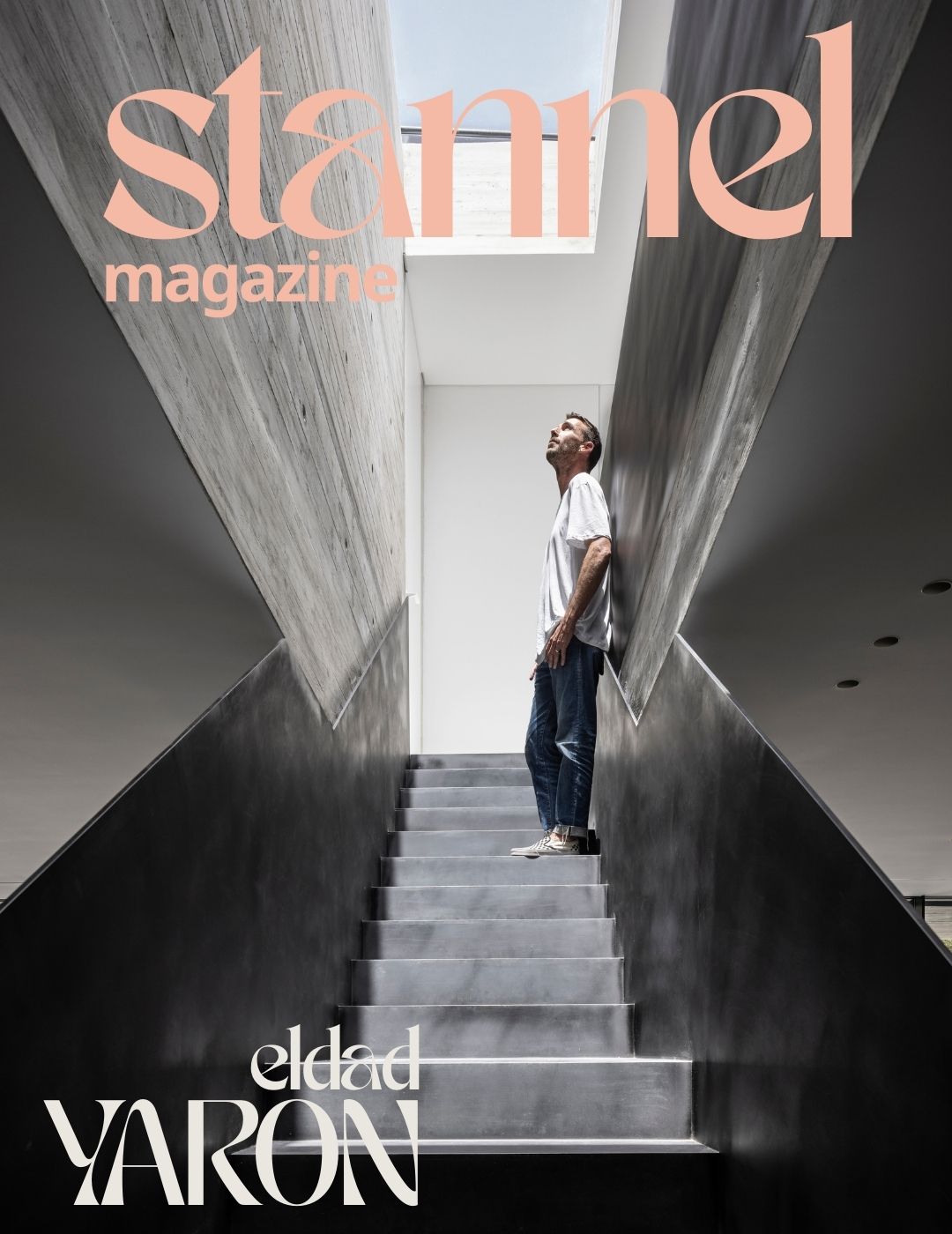
The house designed by architect Yaron Eldad, together with architectural engineer Noy Sandgarten from his office, for a family of six, relies on a clear and coherent language that he defines as warm industrial modern. This is a project that begins with a distinct concept, one that dictates the planning of the building and its […]
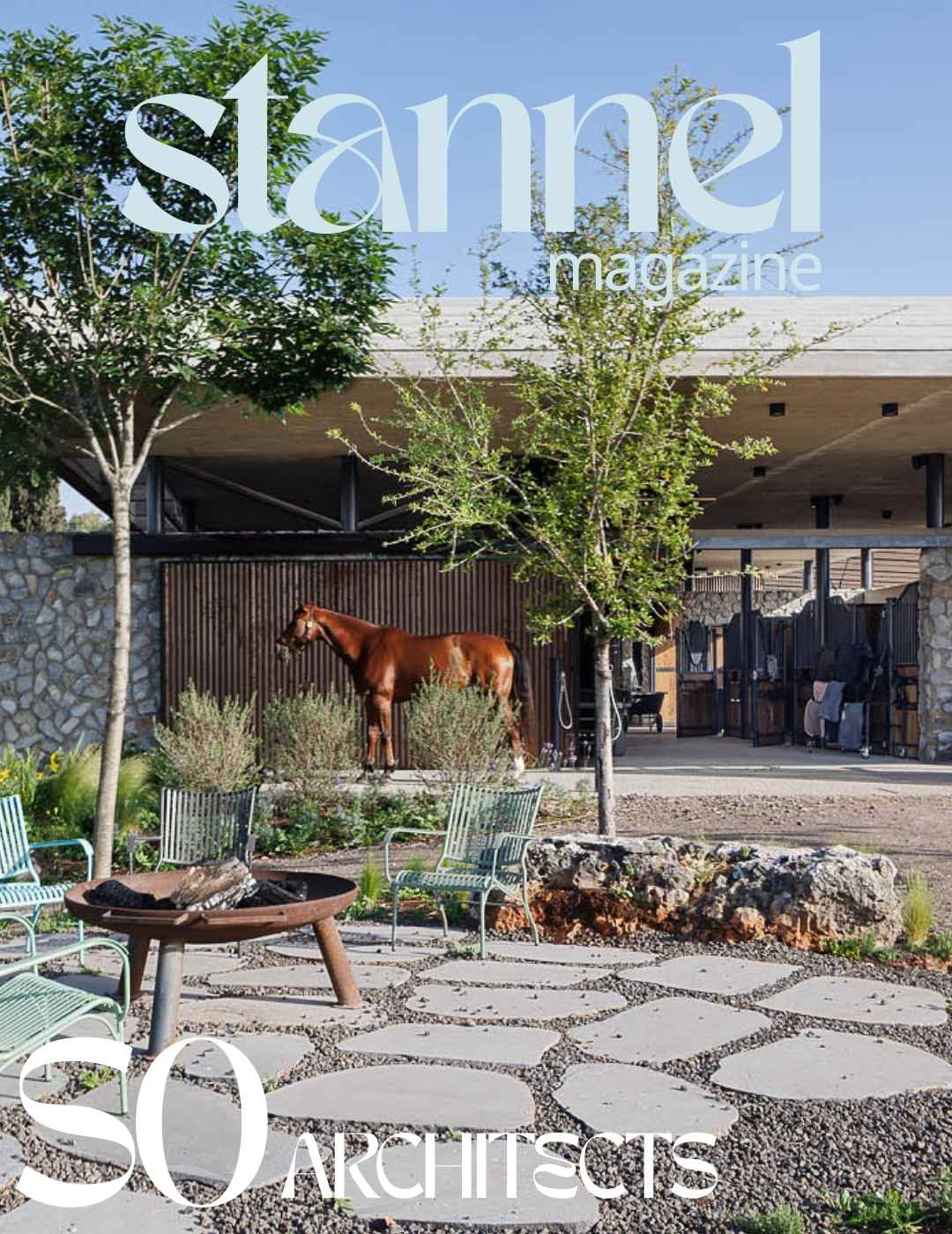
A project that connects two dreams and two adjacent plots of land in Yokneam Moshava, which share planning and value concepts.Shahar Lulav, owner and partner at the firm SO Architects Alongside Oded Rosenkiar, he was entrusted with the planning of the project, along with architects Eyal Shahar, Nir Taub and Yuval Feiglin from the firm’s […]
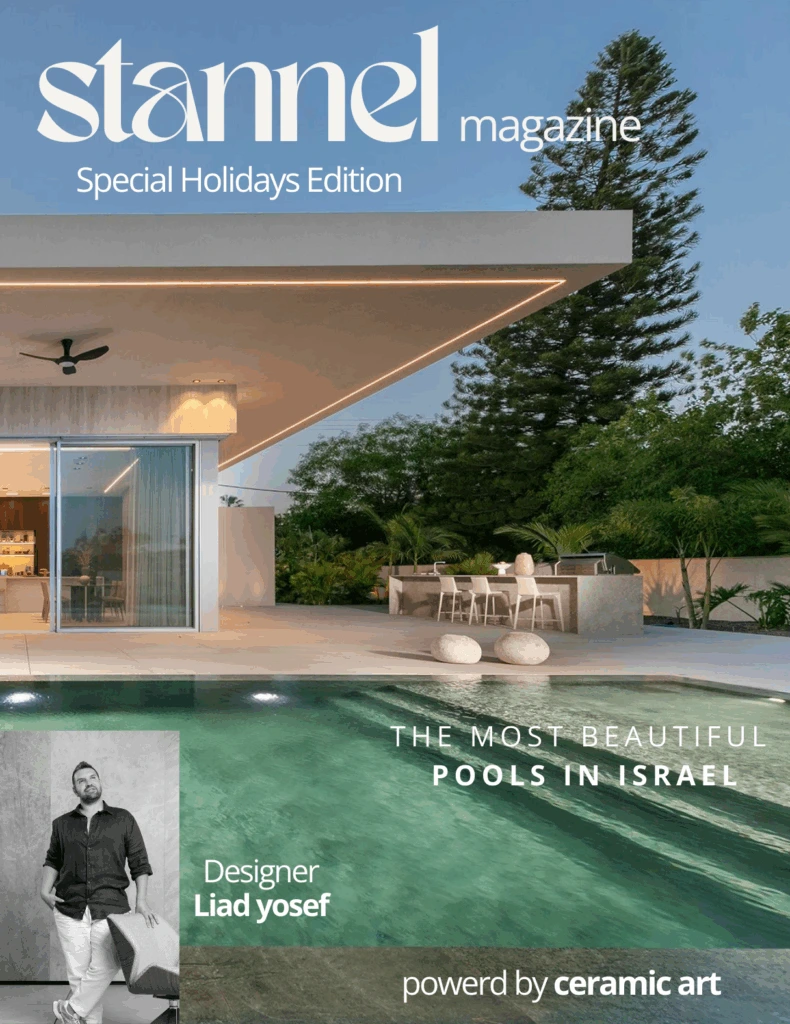
Liad Yosef, an interior designer who has already established his status as a network star and influencer in the field of design, Every project begins with a thorough introduction to the client. “I make sure to get to know all my clients personally – to research, learn, get to know their needs, their loves, their […]
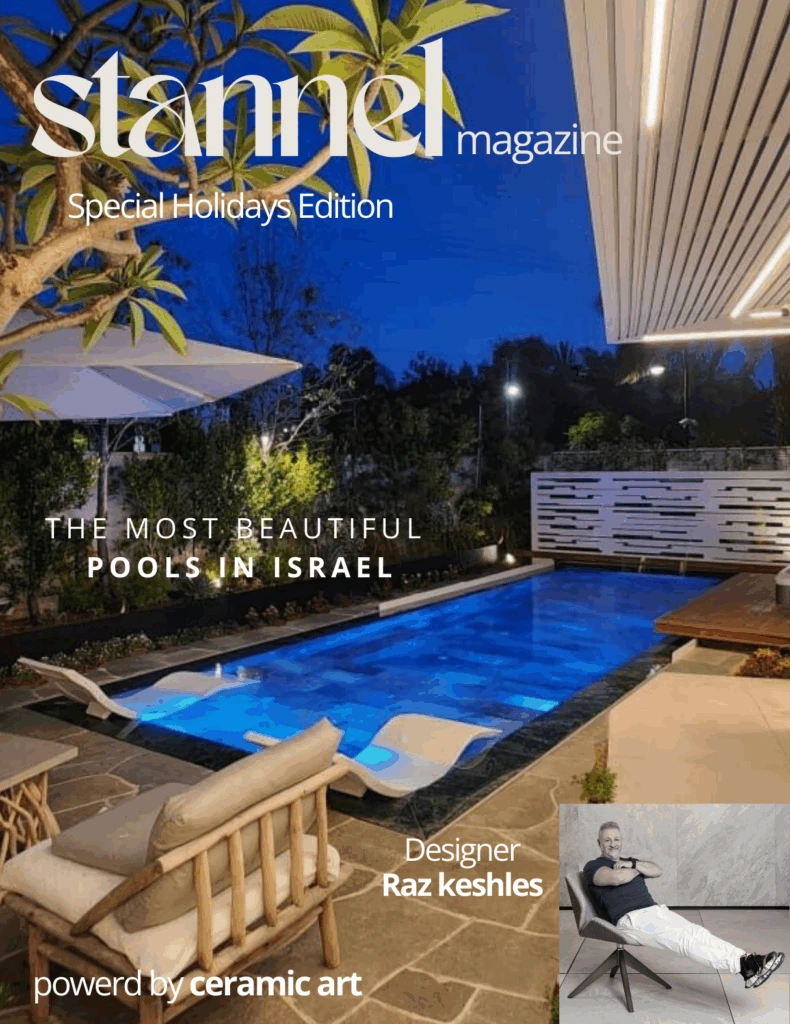
Architect Raz Keshals, who deals with private construction alongside commercial and office planning , defines his style as “dream modern” – design born from the needs of the residents and inspired by them, in a modern and contemporary style. In his projects, architectural planning, interior design and functional solutions are integrated into one harmonious language, […]
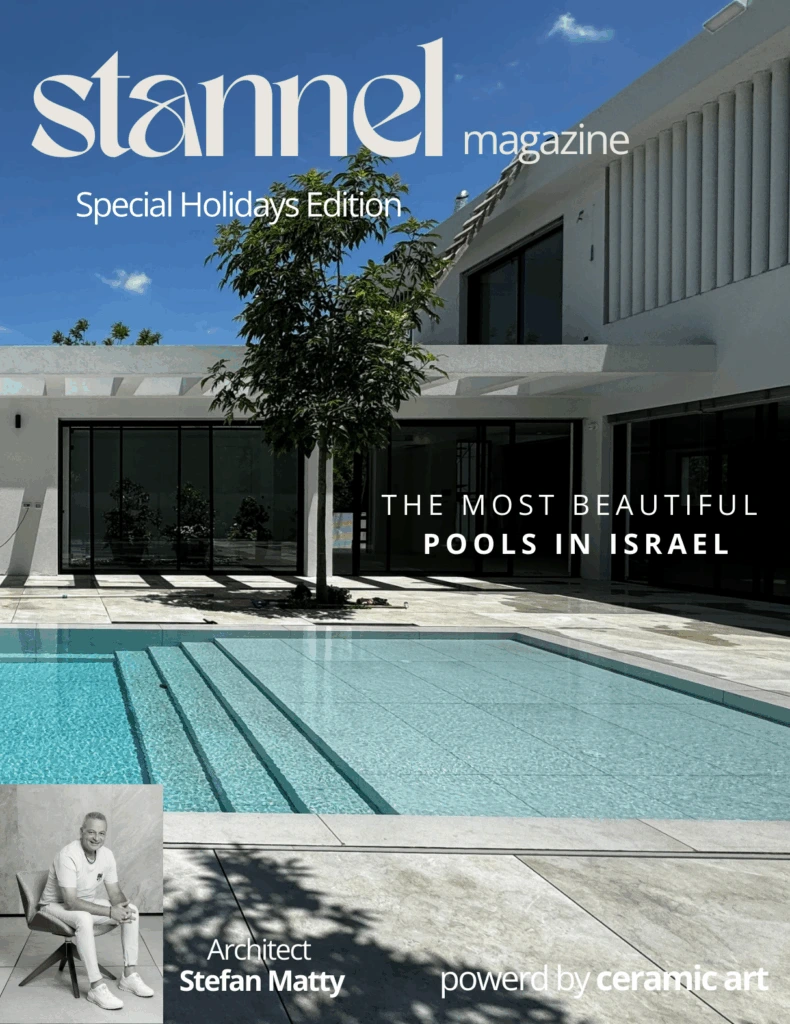
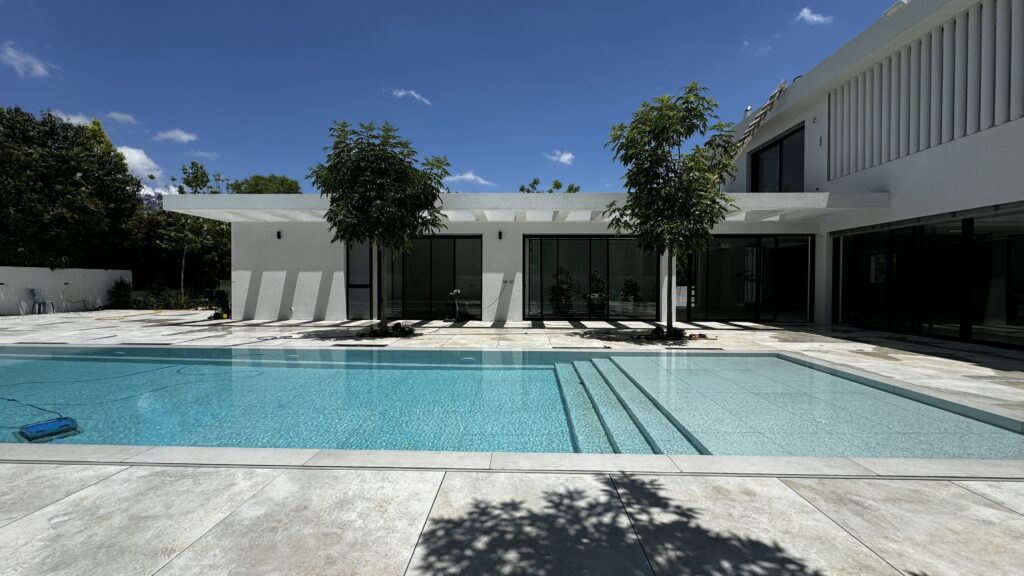
According to the vision of architect Stefan Matti, who founded his office in 2005 , the architectural structure, the interior design and the landscape planning – are one. His projects are modern and minimalist, and he strives to create a lasting experience: spaces that continue to excite over time through natural light, quality materials and […]
650 SQM
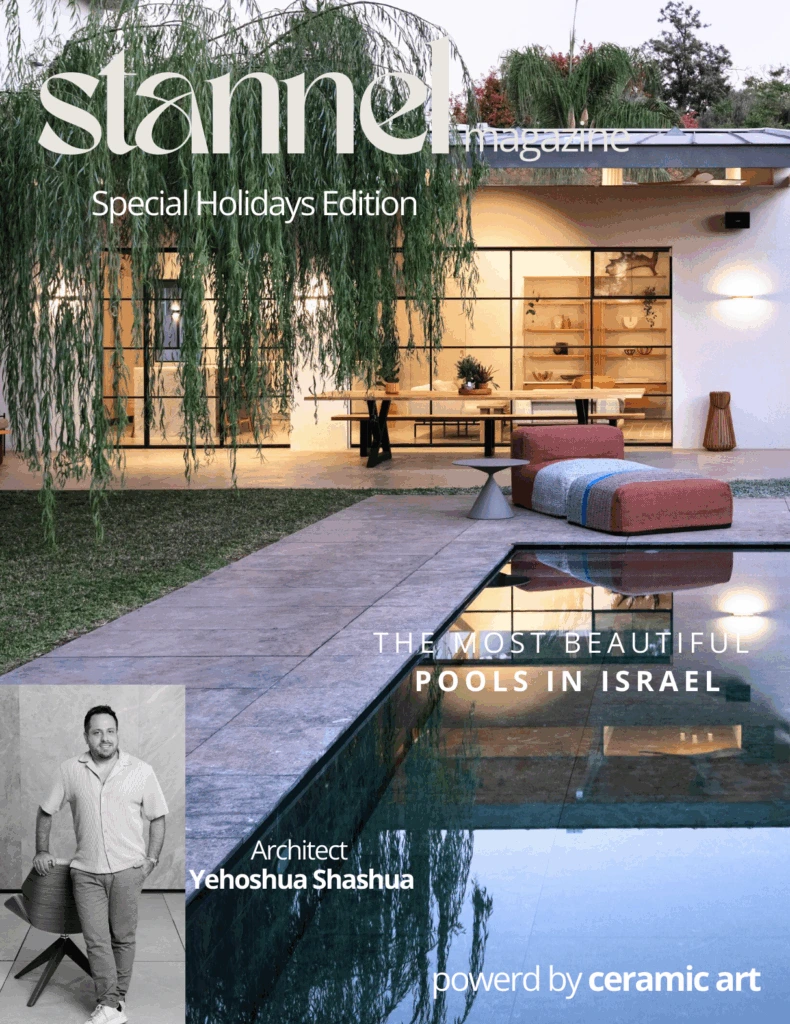
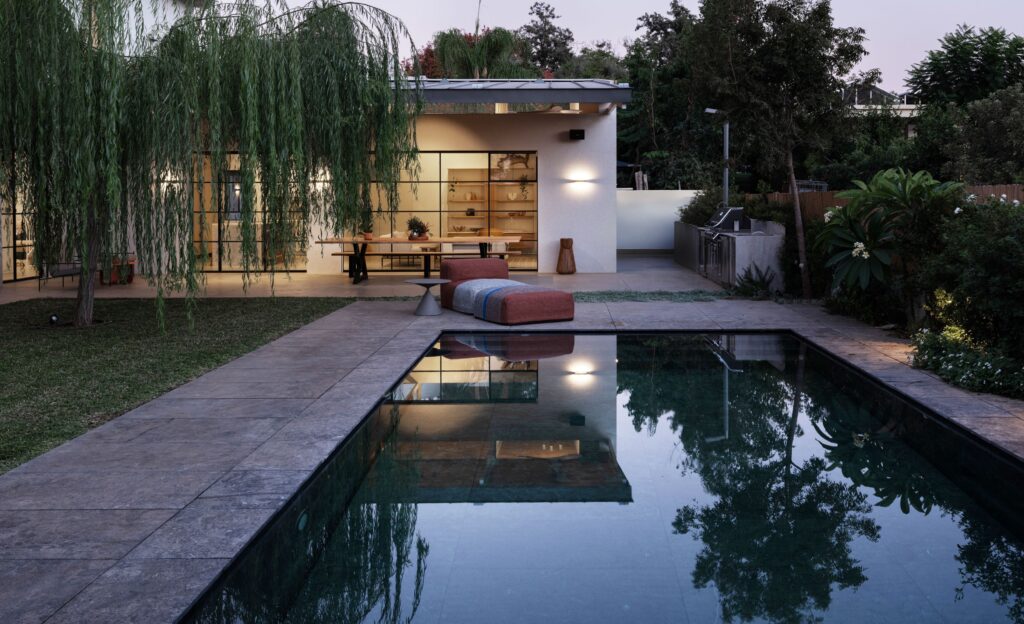
Yehoshua Shashua, an architect and interior designer, founded the firm in 2016, Within its framework, it plans and designs diverse projects of various scales in Israel and around the world – from luxury villas and apartments, through residential buildings to commercial spaces such as showrooms and galleries. Welcome to the house in Ein Vered that […]
500 SQM
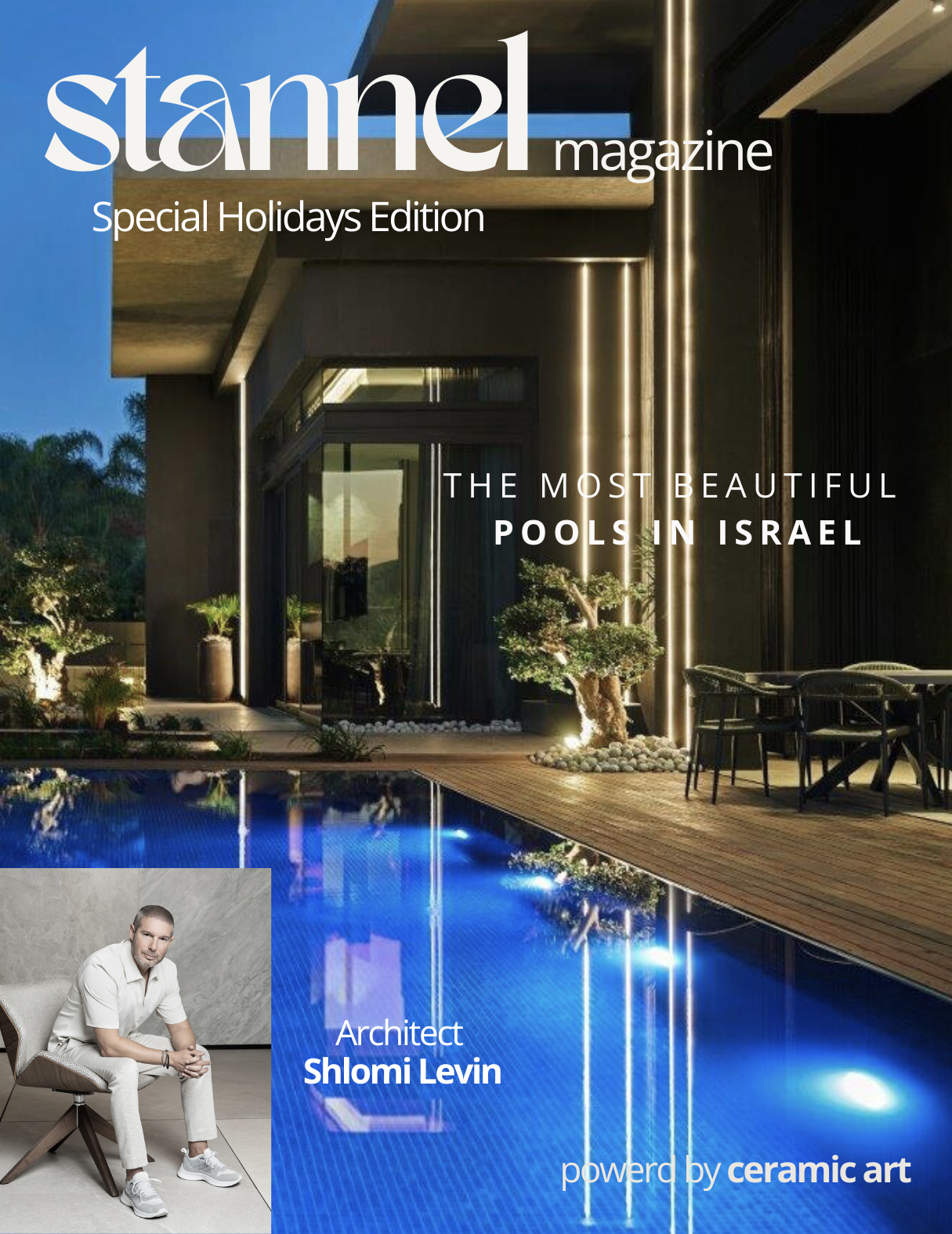
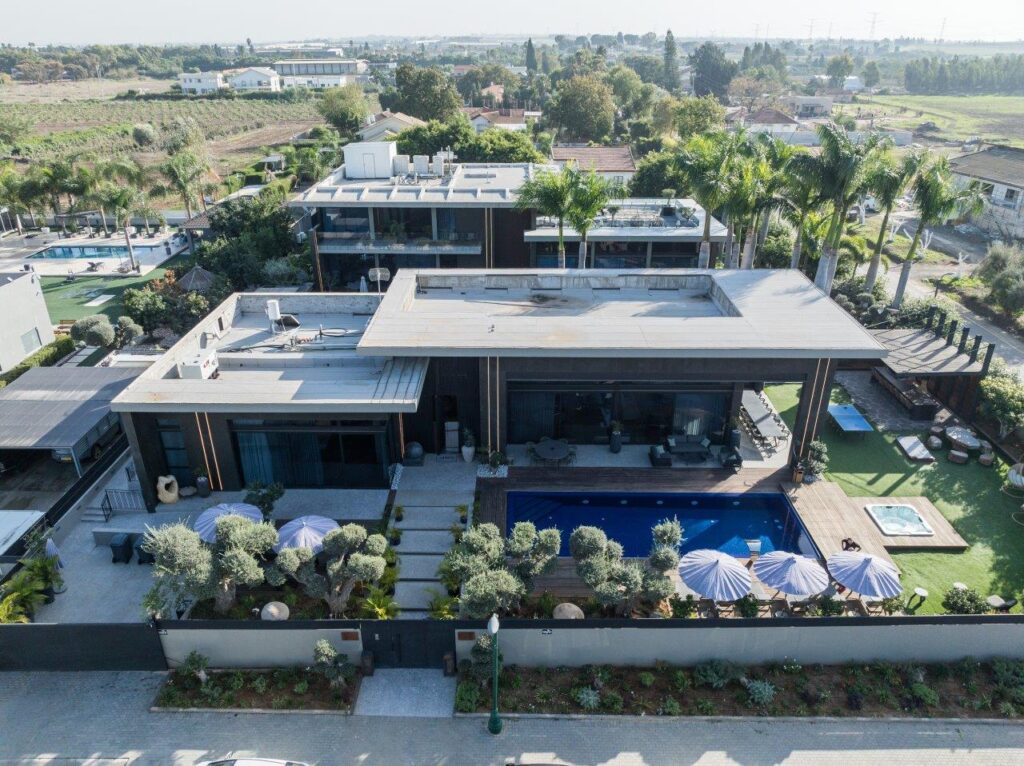
Architect Shlomi Levin, founder of a multidisciplinary boutique office, leads a holistic approach, combining architecture and interior design, to provide its clients with a comprehensive solution for all aspects of planning, design and construction. Welcome to the complex that extends over 600 square meters and includes residential suites and a shared interior space with a […]
600 SQM
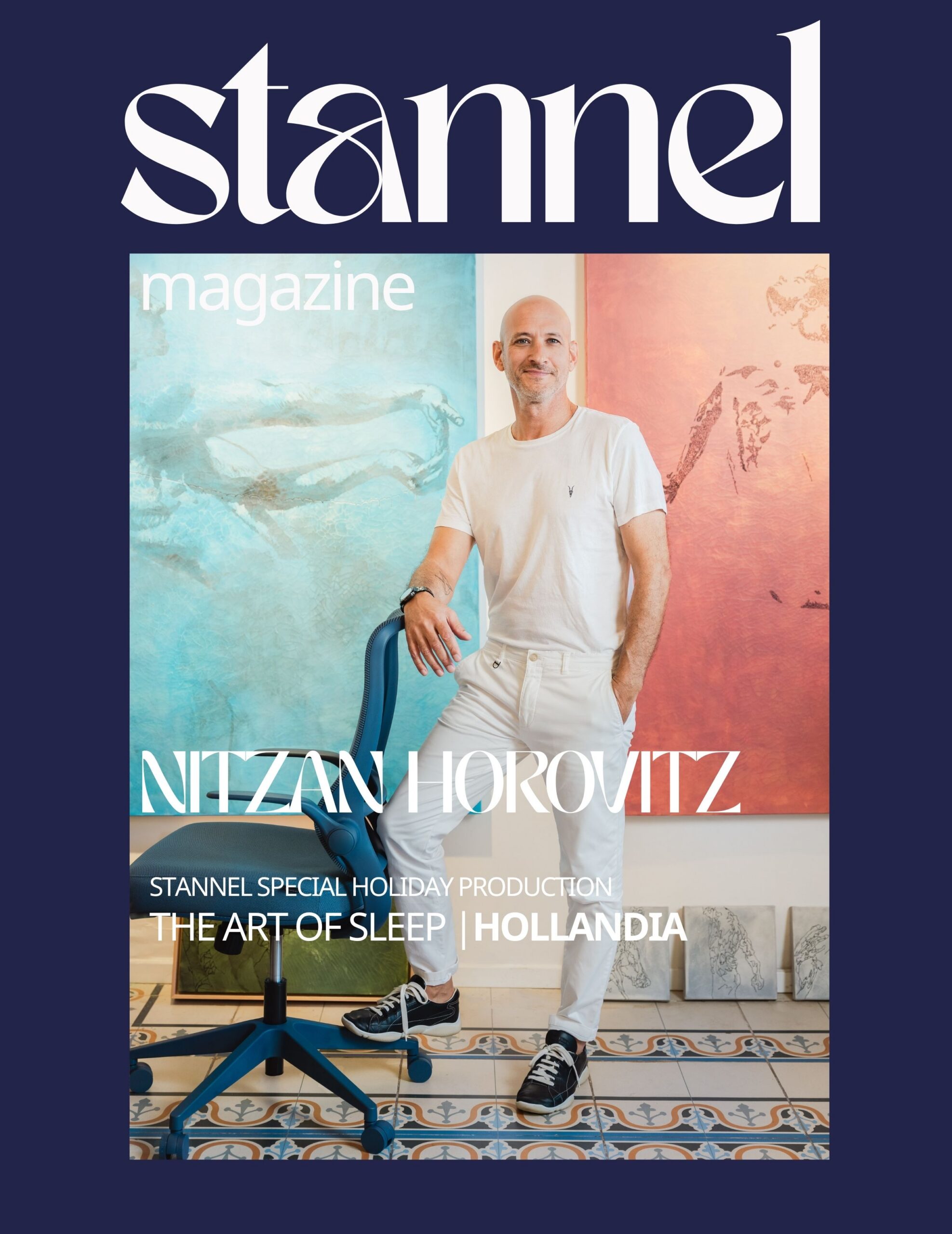
Interior designer Nitzan Horowitz He has been working in the field for about 24 years and leads a studio that deals with planning and design in the private and commercial sectors, with an emphasis on luxury homes and apartments, offices and showrooms, alongside product planning and development. His work is based on the concept of […]
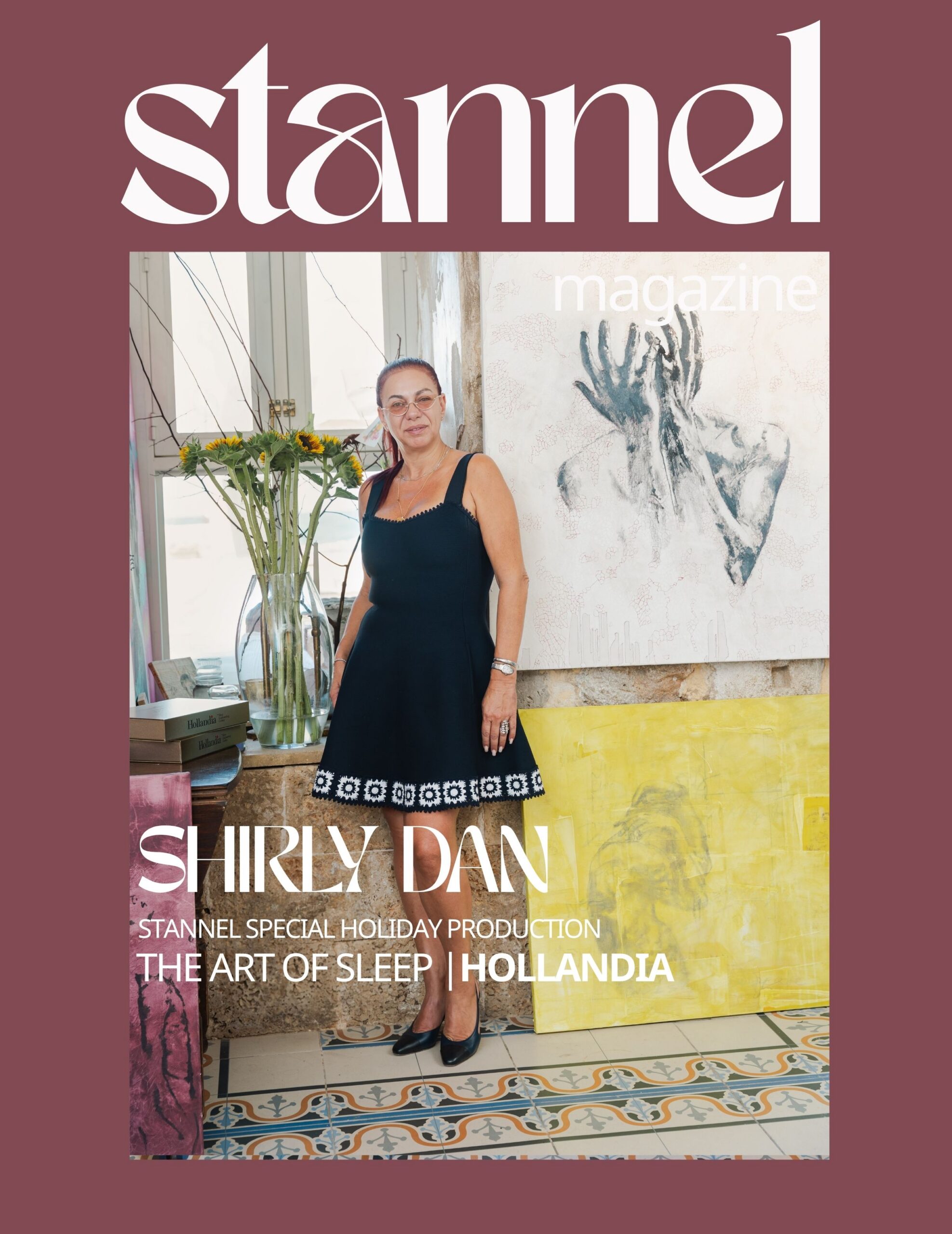
Shirley Dan Head of an architecture and interior design studio specializing in residential design and overseeing projects from the planning stage to management and supervision of execution. In her work, she seeks to combine aesthetics with practice and create harmonious, comfortable, and enveloping homes, a concept that is also clearly expressed in the way she […]
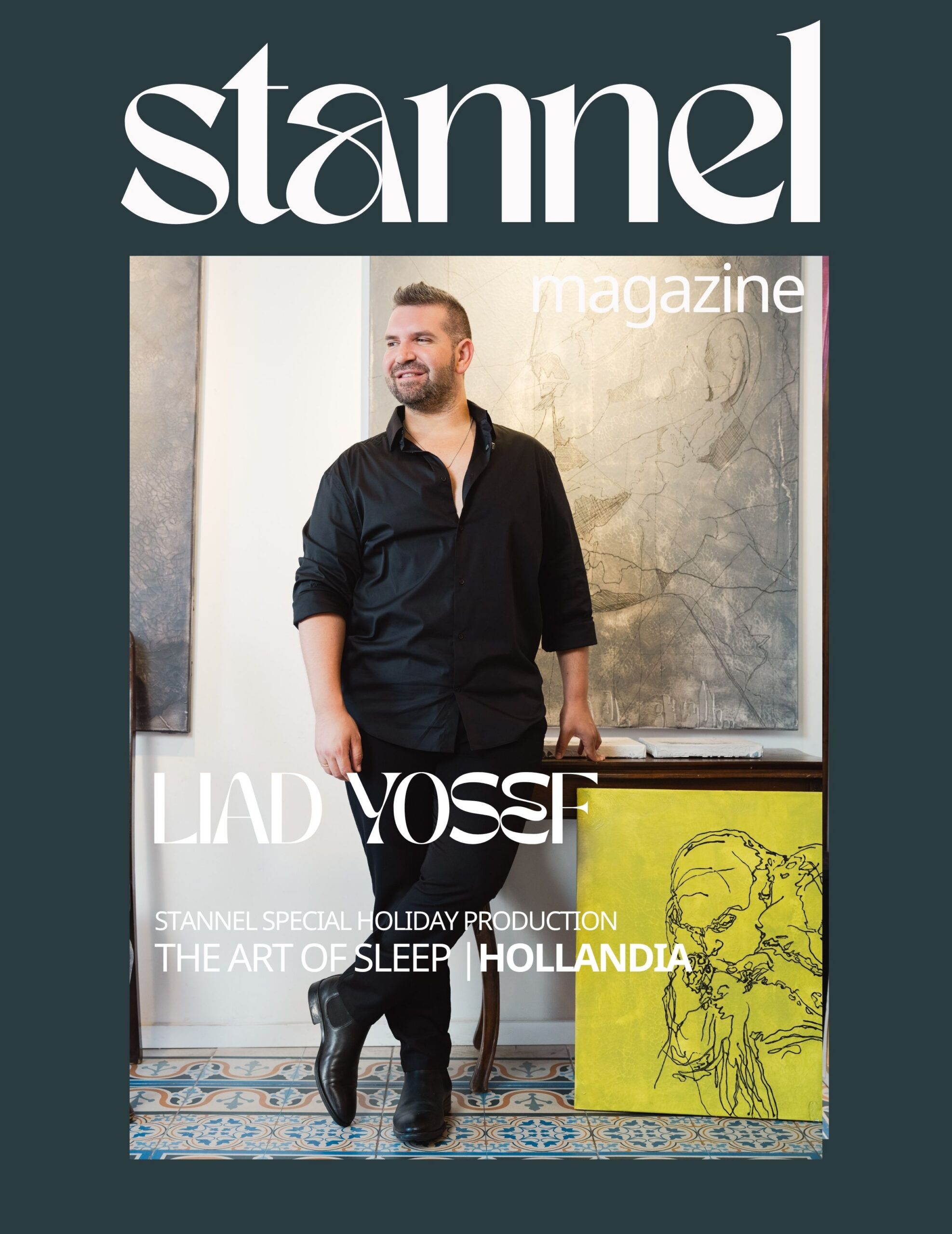
Interior designer To Yosef, a native of Moshav Margaliot in the north, has been leading a studio that designs private homes, luxury apartments and commercial spaces across the country for over a decade. His work is based on a personal approach that puts the client at the center, alongside a modern language, the use […]
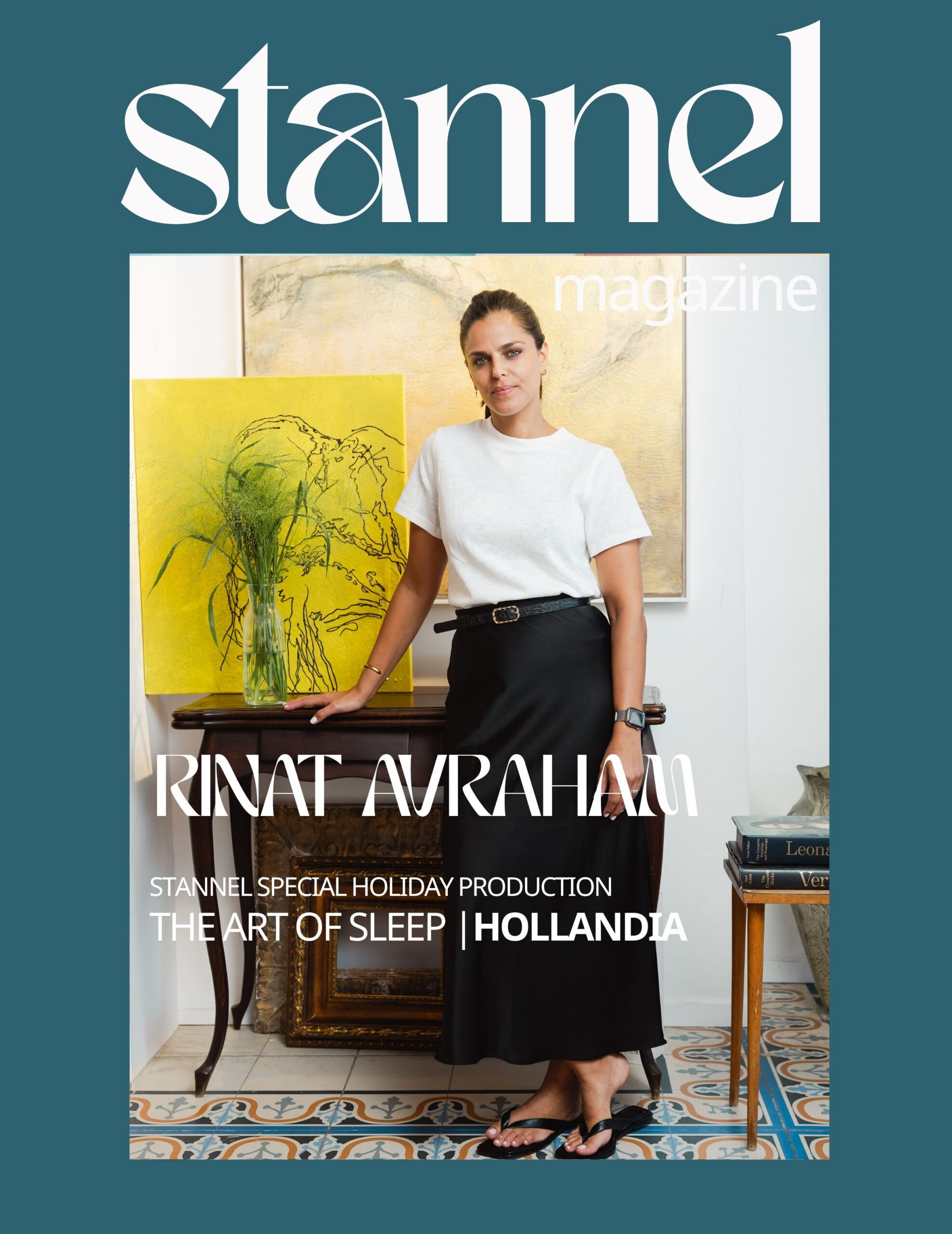
The interior designer Rinat Avraham She founded the studio that bears her name in 2016, with a vision that connects dreams with practice. The studio specializes in planning and designing private homes and apartments, and accompanies projects from the concept phase to the home’s furnishing. Avraham’s work is characterized by a clean and functional […]
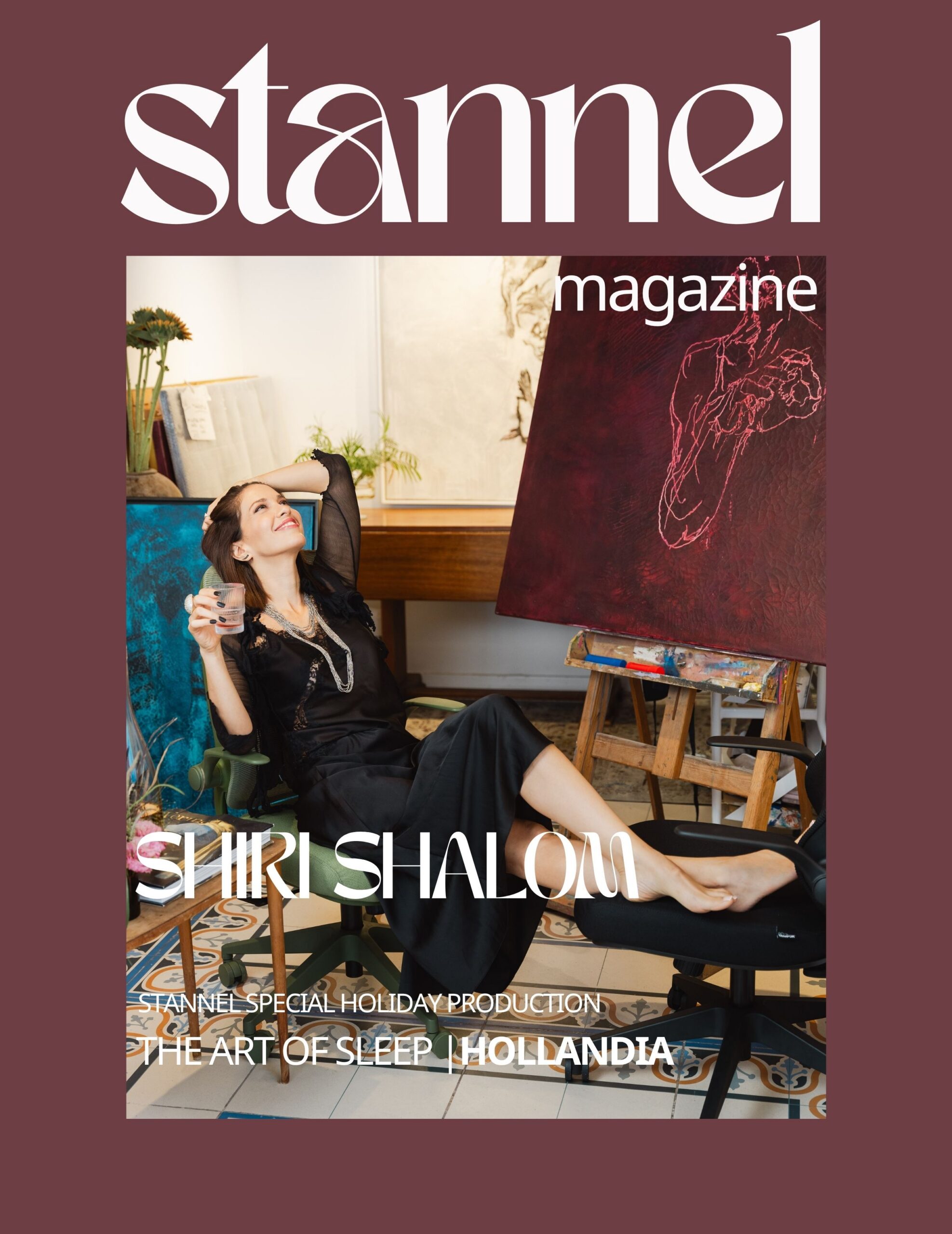
The designer Peace songs Comes to the world of design from a broad creative background, which also includes years as a singer, writer and composer. She currently works in interior and product design, and has won awards and international recognition for her work over the years. Her studio designs residential and commercial spaces in […]
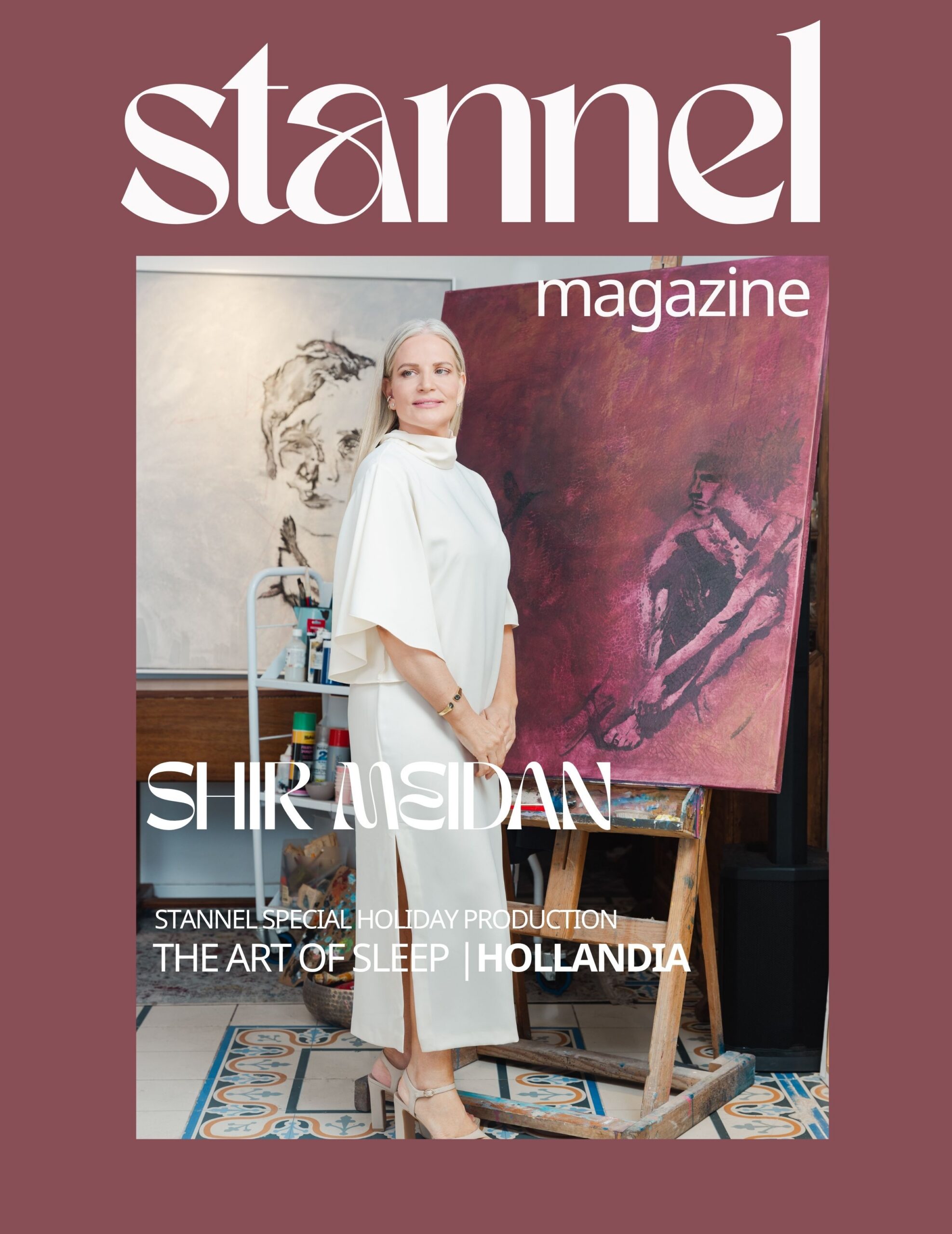
The designer Maidan song, founder and owner of the studio that bears her name, leads projects in the areas of residences, hotels, work spaces and commerce, for entrepreneurs and private clients. The studio’s work is characterized by a minimalist and functional language, alongside the use of materials, finishing details and furniture that bring warmth and […]
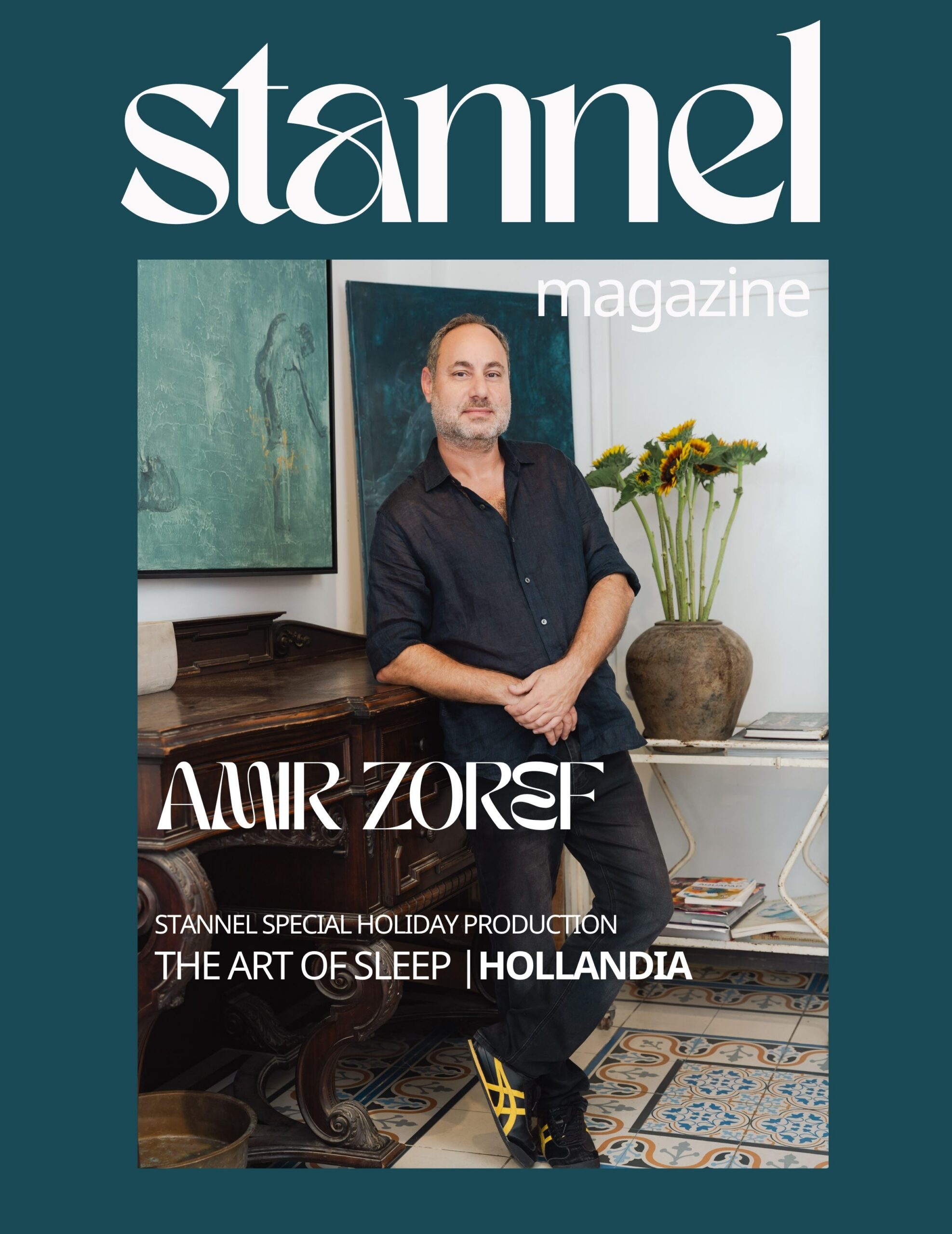
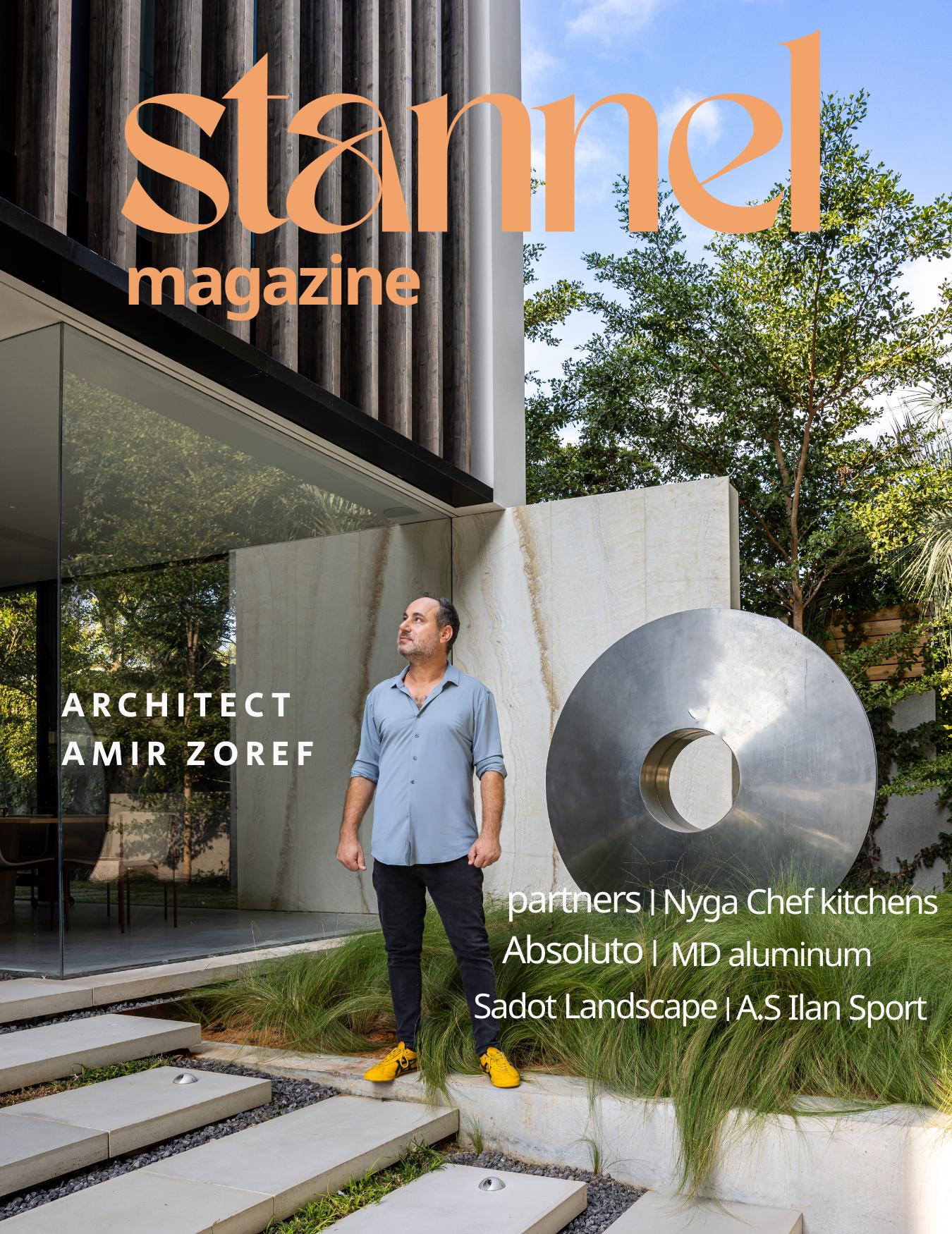
The connection between art and architecture accompanies the architect Amir Zoref Since childhood. As a teenager, he studied painting in a studio, and to this day he uses drawing as a tool for thinking, expressing, and illustrating ideas in the planning process. Zoref, a graduate of the Technion and owner of an independent office […]
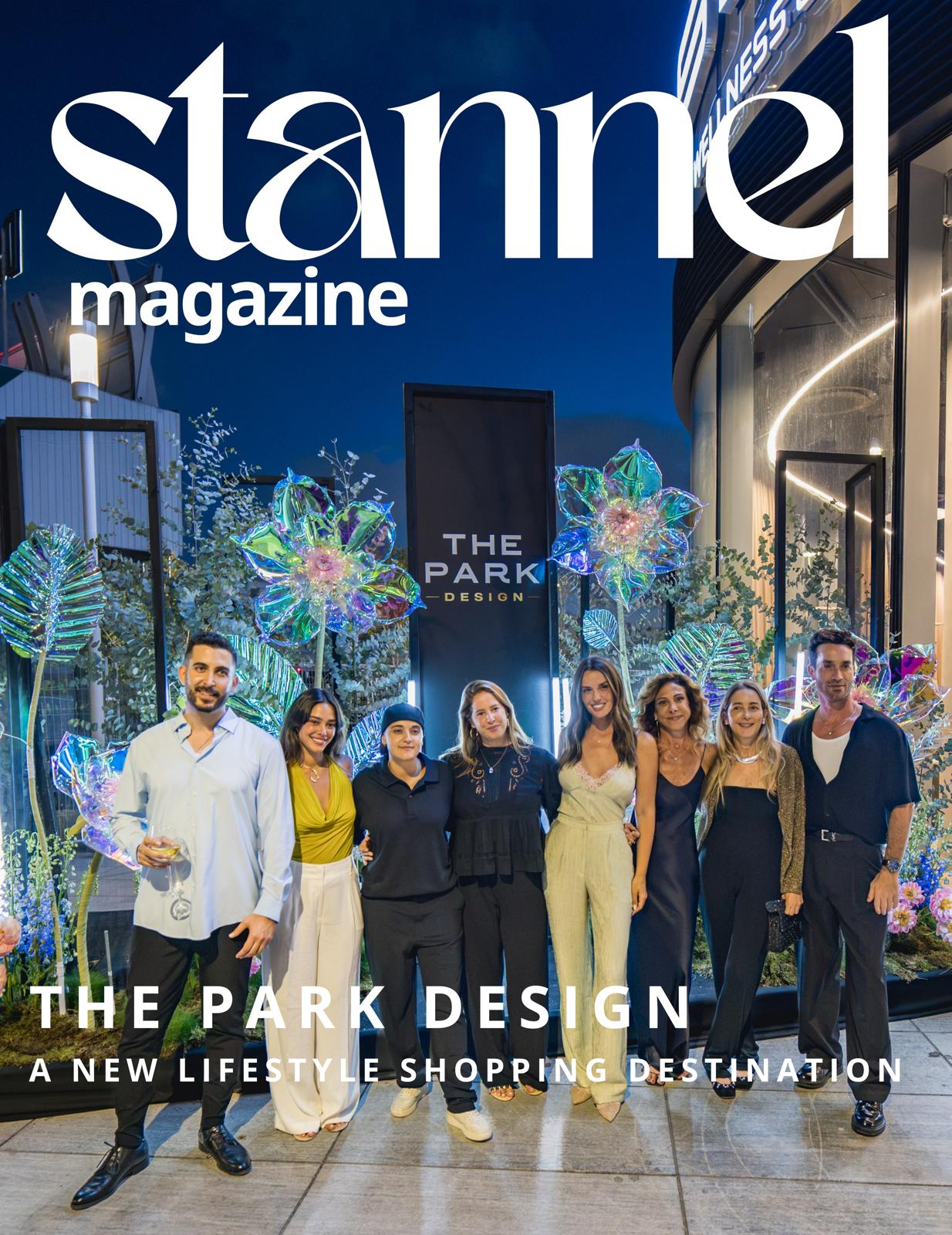
In the heart of the Lehi area, one of Israel’s renowned design hubs, a complex was recently launched THE PARK DESIGN – A new space for home design and lifestyle, which seeks to offer a more complete visiting experience: less exhausting transition between suppliers, stores and parking searches, and more of a concentrated path of […]
For this family, the question was not geographical at all, but essential. They wanted to live the city, not observe it from the sidelines. To be a part of it, but not be swallowed up by its rhythm. The choice of an apartment in a renovated building, in one of the small northern neighborhoods of […]
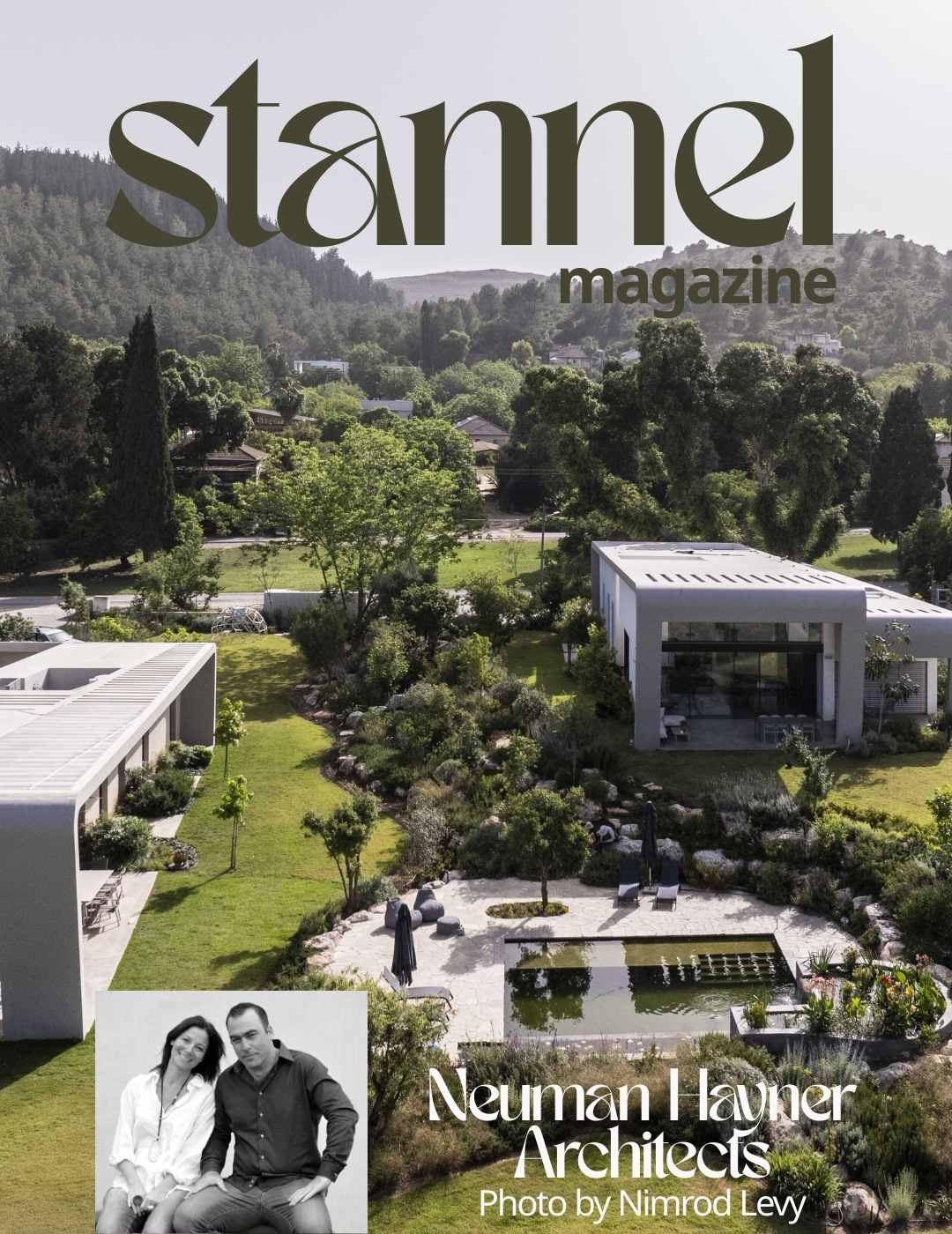
Neumann-Heiner Architects, led by architects Sharon Neuman and Yiftach Hainer, is among the most diverse we have encountered on the Israeli landscape. They design buildings and spaces of all sizes and types – public buildings, hotels, visitor centers and museums, residential buildings, office buildings, commercial spaces, urban renewal, building preservation, offices, restaurants, private homes and […]
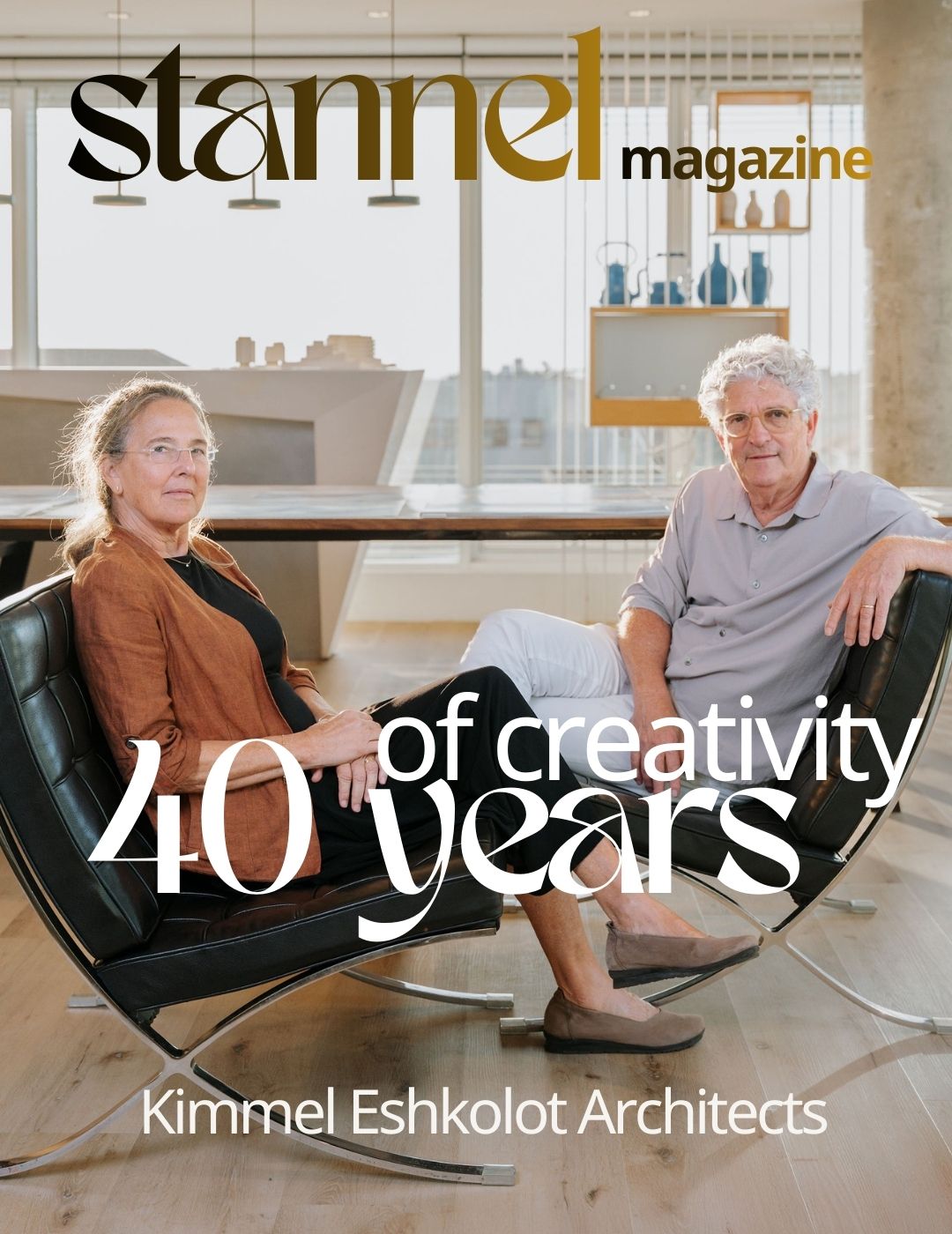
The Kimmel Eshkolot architectural firm, founded by Eitan Kimmel and Michal Kimmel-Eshkolot, is celebrating 40 years of extensive activity in the fields of architecture and design in Israel and abroad this year. A pop-up exhibition that opened last week somewhat summed up their journey, but according to them, they are always looking ahead, towards the […]
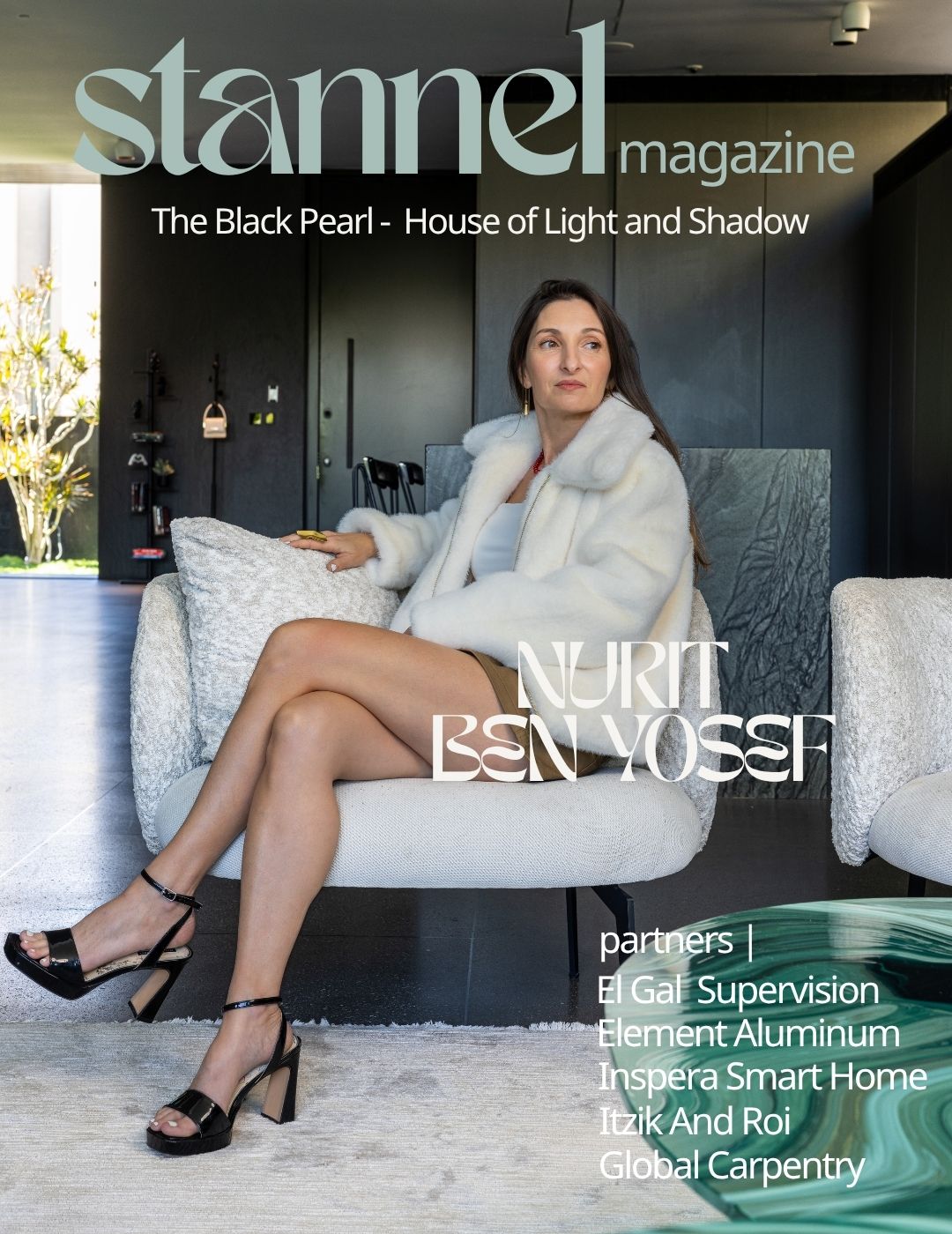
From every angle and every view, this house is impressive and meticulous.And so it is perhaps even more surprising to discover that its opening details were far from exciting – “A rectangular plot of half a dunam, in a quiet and monotonous neighborhood; a semi-detached house, without a special view and without much sun,” says […]

In recent years, the bedroom has become the central space in the home, not only as a functional space, but as a space that directly affects the quality of life. Hollandia, which began its journey in 1981, leads the world of sleep in Israel, combining comfort, innovation, design and many years of expertise. Alongside bedroom […]
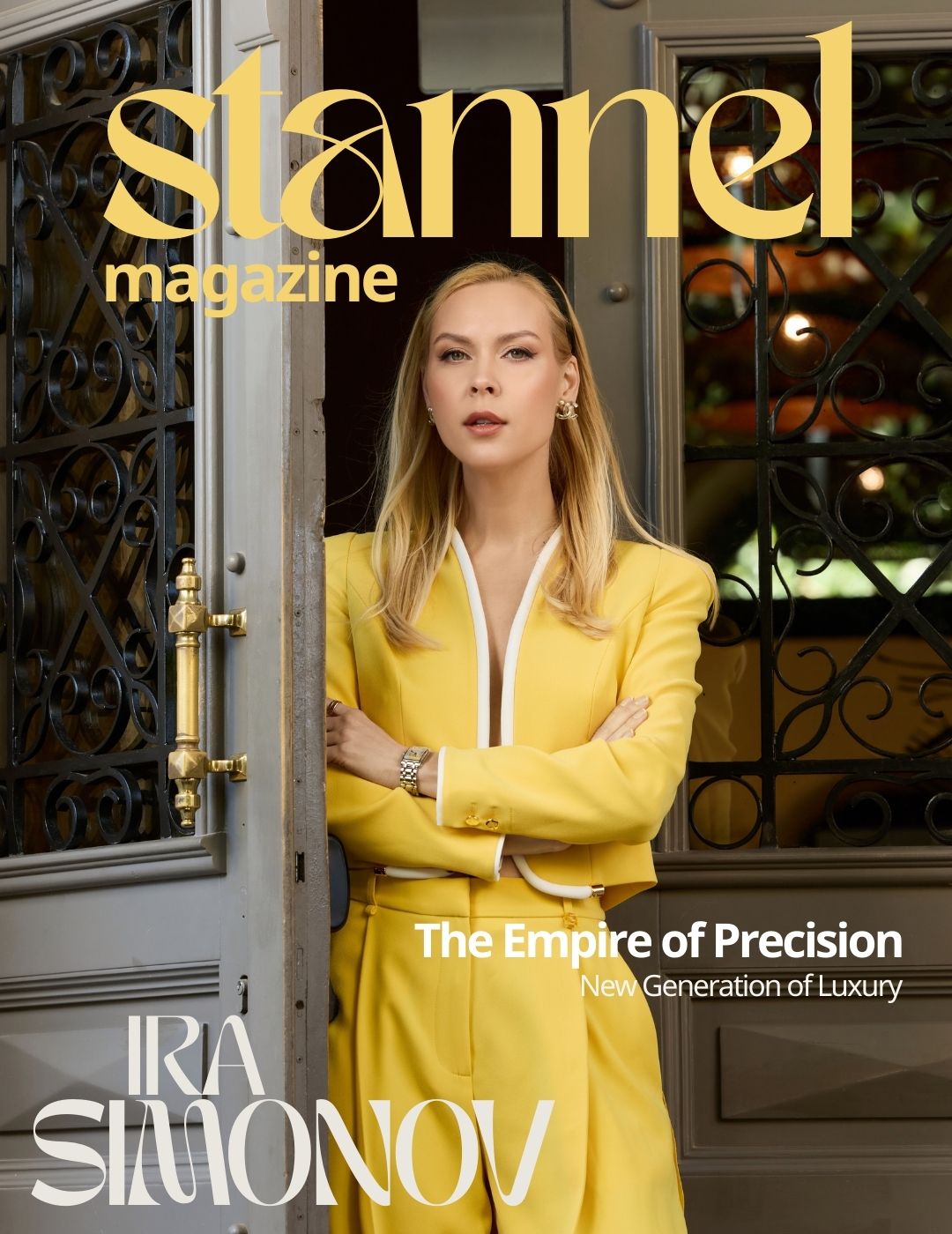
In an era where anyone can define themselves as a content creator, the term “lifestyle” has sometimes become empty of meaning.But for Ira Simonov, one of the most prominent and influential lifestyle influencers in Israel, it’s a coherent and clear concept of life. Not aesthetics for aesthetics’ sake, not exposure for exposure’s sake, but a […]
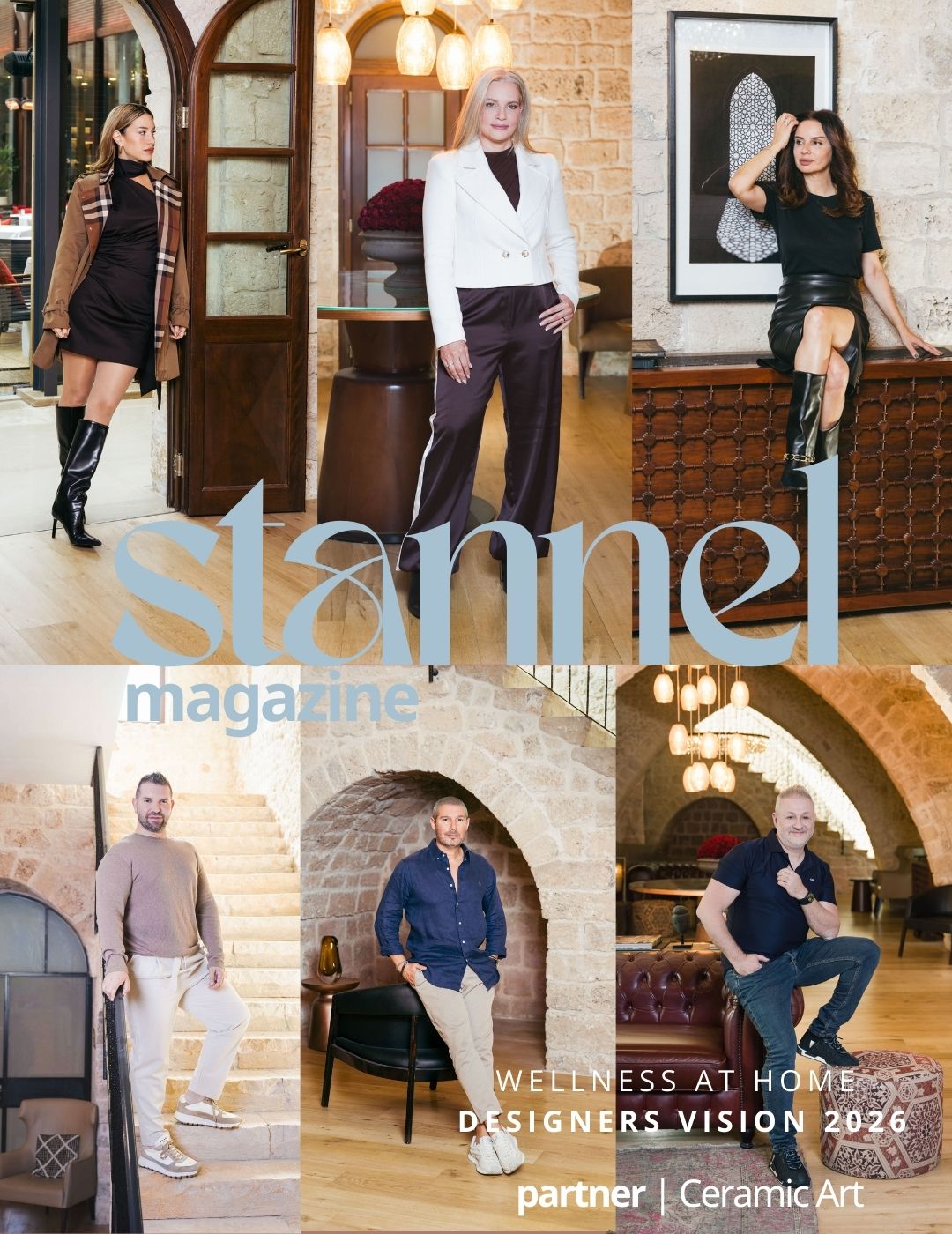
In recent years, the world of wellness has undergone a profound transformation.What began as a concept related to fitness, nutrition, or exotic retreats has become a broad concept that defines an entire lifestyle. Wellness is no longer a one-time action, but a system of daily decisions aimed at improving the quality of life, reducing mental […]
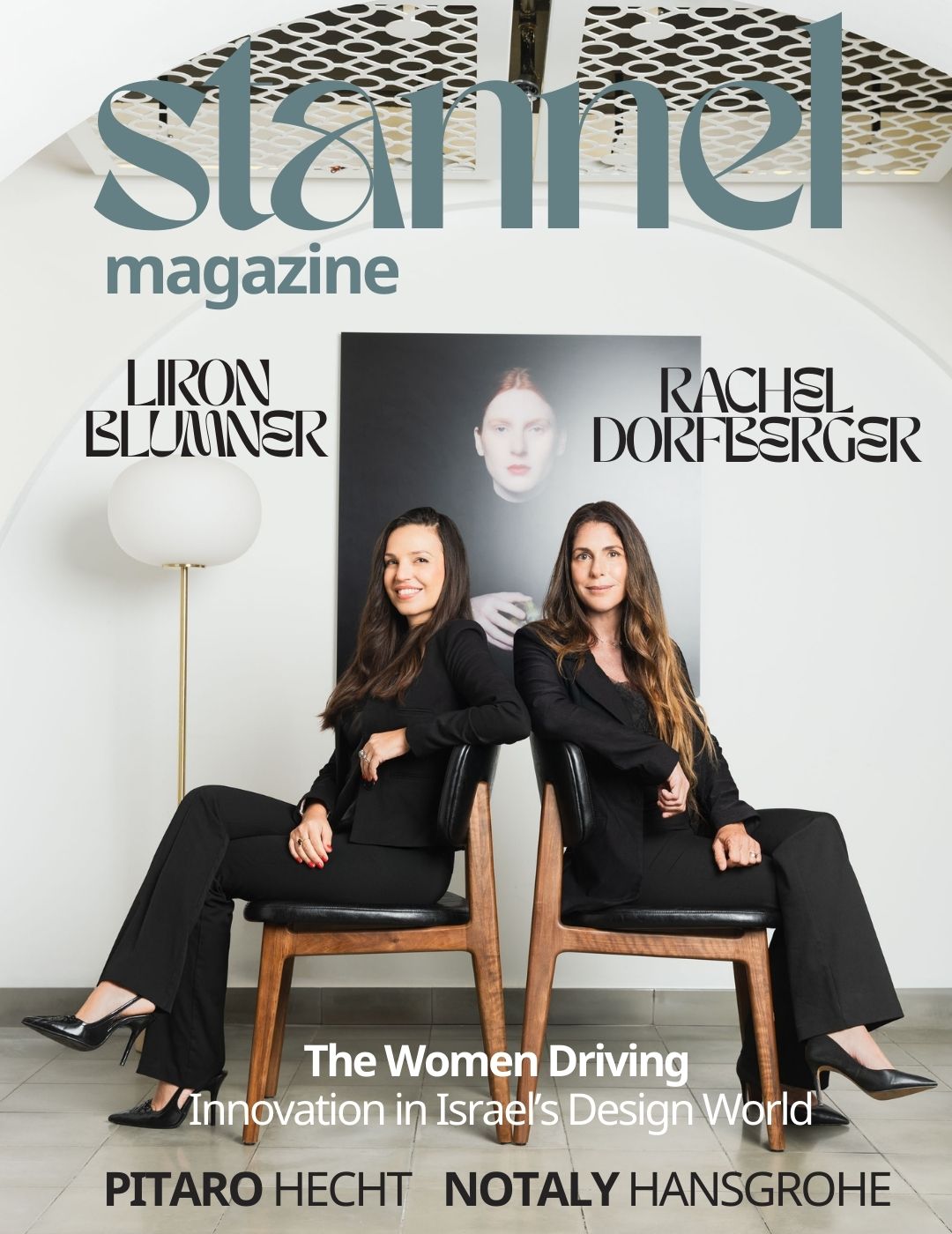
Women’s Day is a great reminder to look not only at the result, but also at those who are leading the way to it.In the design industry in Israel, this is felt at every stage: in the studio, on the ground, in the showrooms, and also behind the scenes, with the women who connect an […]
In the heart of the Lehi area, associated with showrooms and home design stores, was recently launched THE PARK DESIGN – The design and commercial complex of THE PARK Complex. The complex offers a centralized and convenient space for inspiration, choice and planning, alongside accessibility and a complete visiting experience, and appeals to both the […]
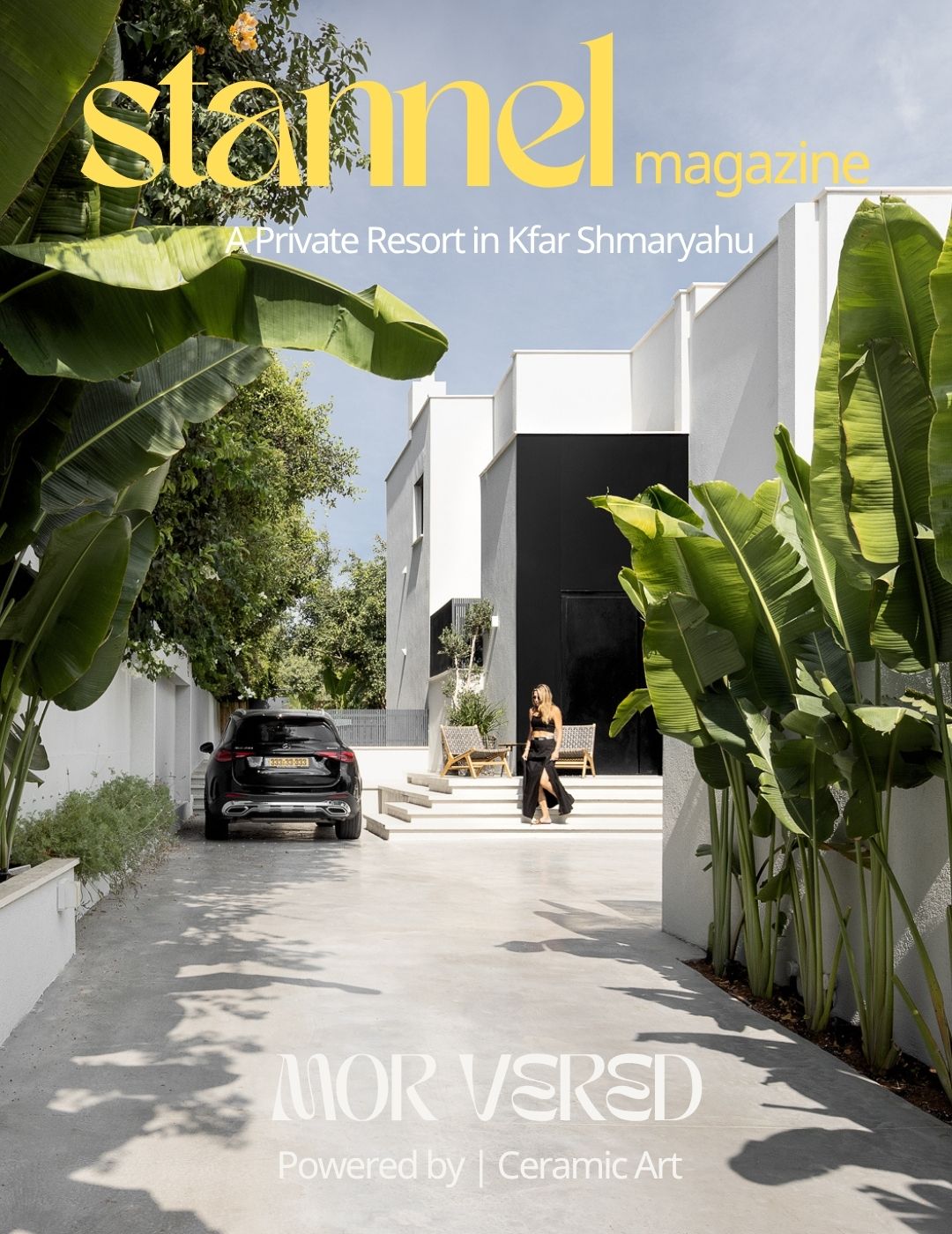
In the village of Shmaryahu, on a plot of about 700 square meters and inside a three-story house, a comprehensive renovation plan was formed that changed the house from the ground up — literally. All the walls of the building were demolished, the openings were widened, the rooms were enlarged, and the spaces were reorganized […]
In the village of Shmaryahu, on a plot of about 700 square meters and inside a three-story house, a comprehensive renovation plan was formed that changed the house from the ground up — literally. All the walls of the building were demolished, the openings were widened, the rooms were enlarged, and the spaces were reorganized […]
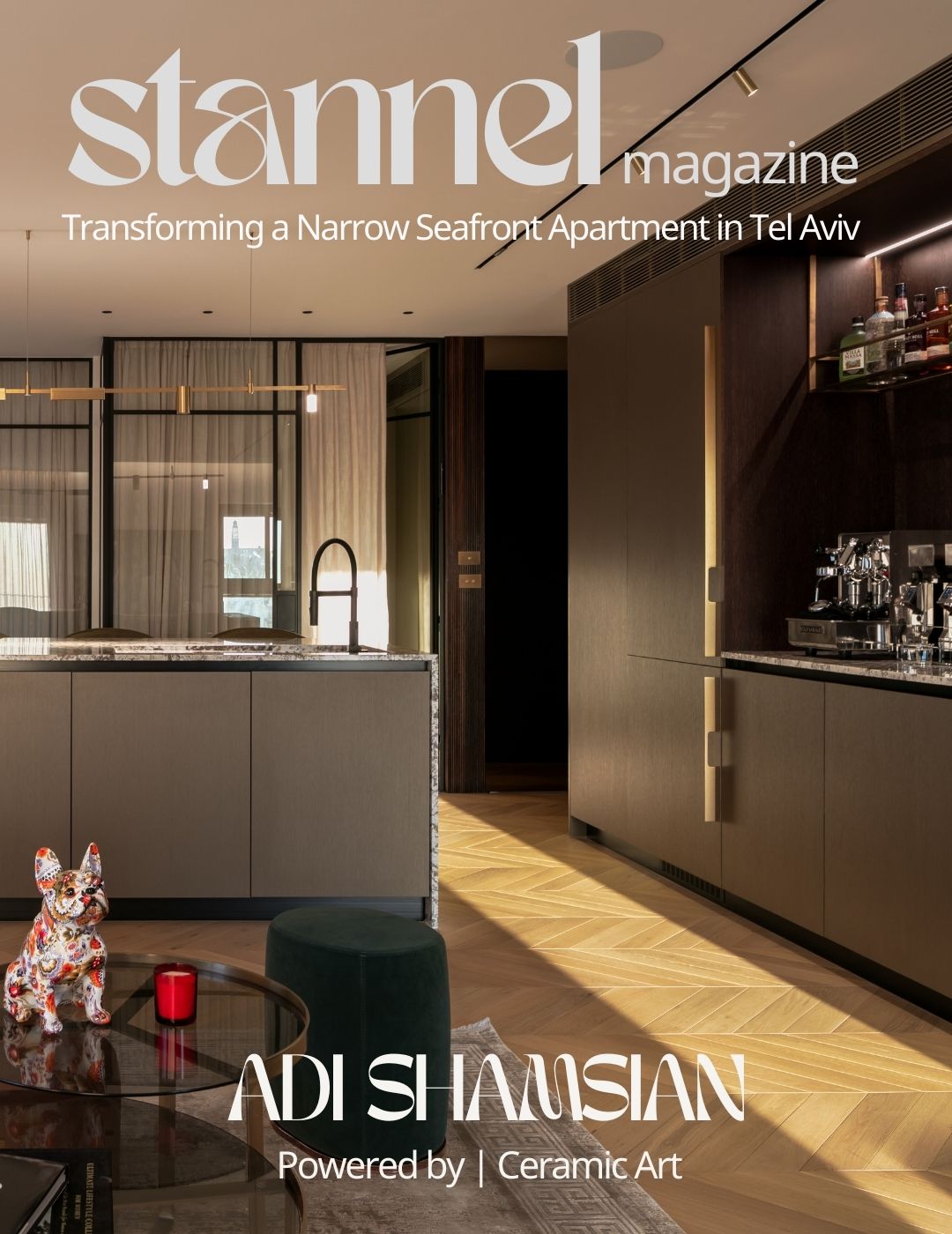
The project began with a simple request from a couple: to transform a long, narrow contractor’s apartment into a space that serves their daily lives but also allows for a sense of hospitality, freedom, and comfort of a boutique hotel. They requested clear division, precise storage, a kitchen that functions as the center of the […]
בכפר שמריהו, על מגרש של כ–700 מ״ר ובתוך בית בן שלוש קומות, התגבשה תכנית שיפוץ מקיפה ששינתה את הבית מן היסוד — תרתי משמע. כל קירות המבנה נהרסו, הפתחים הורחבו, החדרים הוגדלו והחללים אורגנו מחדש כך שיתאימו במדויק לאורח החיים של הזוג וילדיהם. התוצאה היא בית שעוצב מחדש כמעין ריזורט אישי, מקום מפלט מודרני שמציע […]
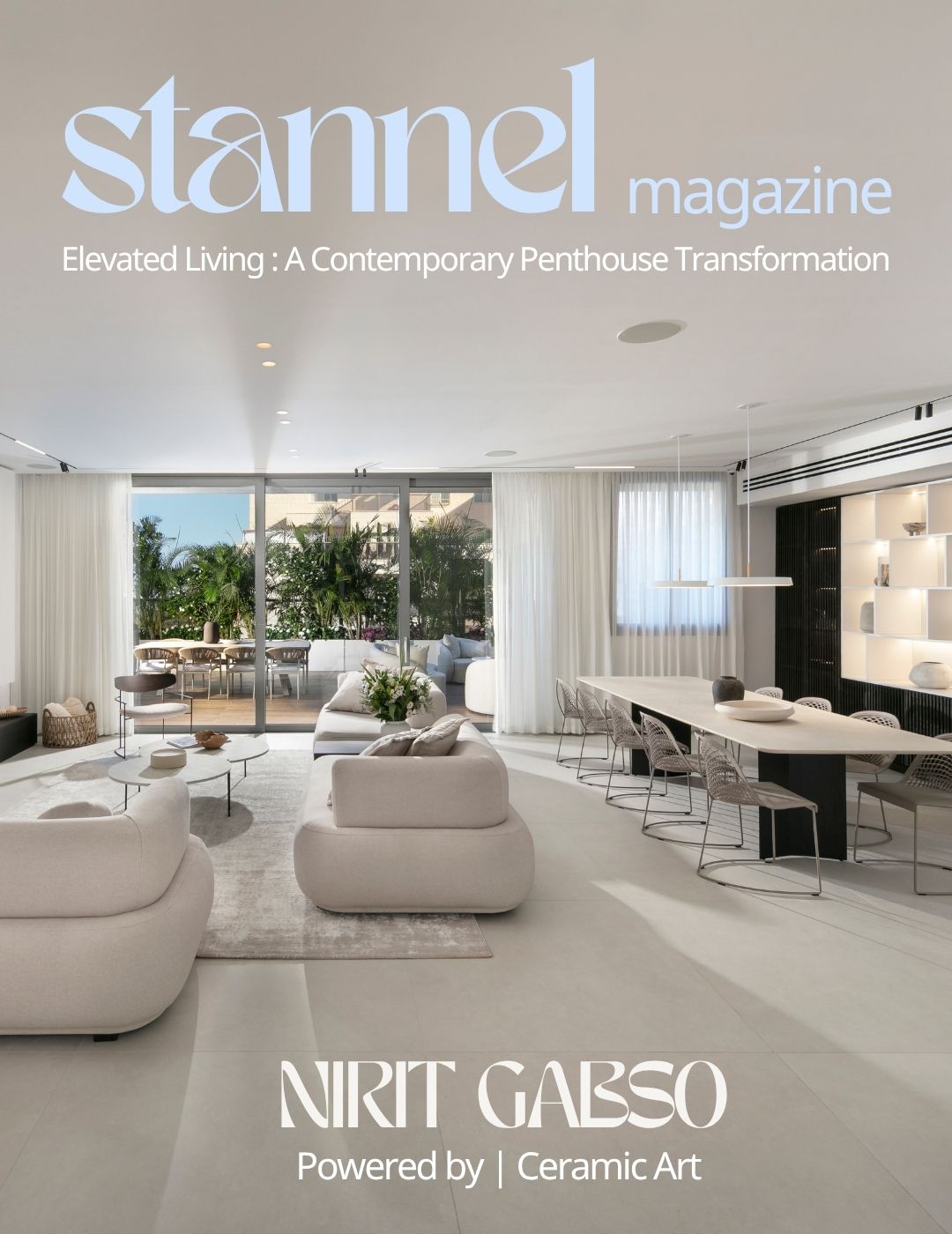
בקומה השמינית של בניין עירוני במרכז הארץ, תכננה המעצבת נירית גבסו שיפוץ מקיף לפנטהאוז בשטח של כ-200 מ”ר ומרפסת של כמעט 100 מ”ר. הדיירים , זוג ושלושה ילדים ביקשו בית מאורגן, אלגנטי ונקי, המשקף קווים עכשוויים לצד נוחות שימושית ותפקוד יומיומי יעיל. גבסו הובילה תהליך תכנון שנע בין עיצוב מדויק לפרקטיקה מוקפדת, והצליחה לגבש שפה […]
200 SQM
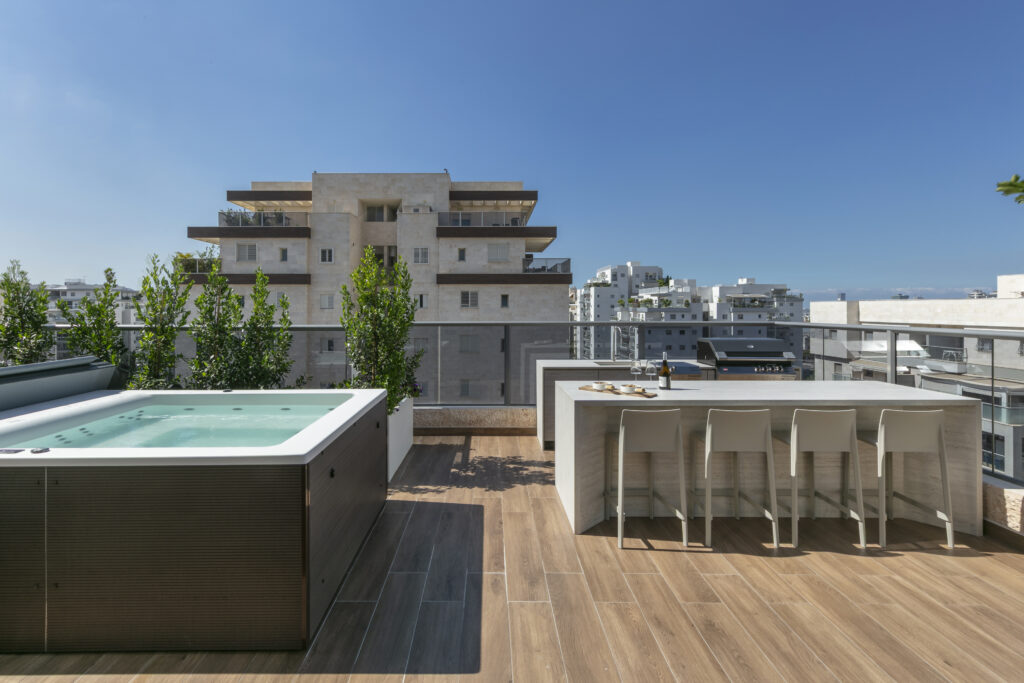
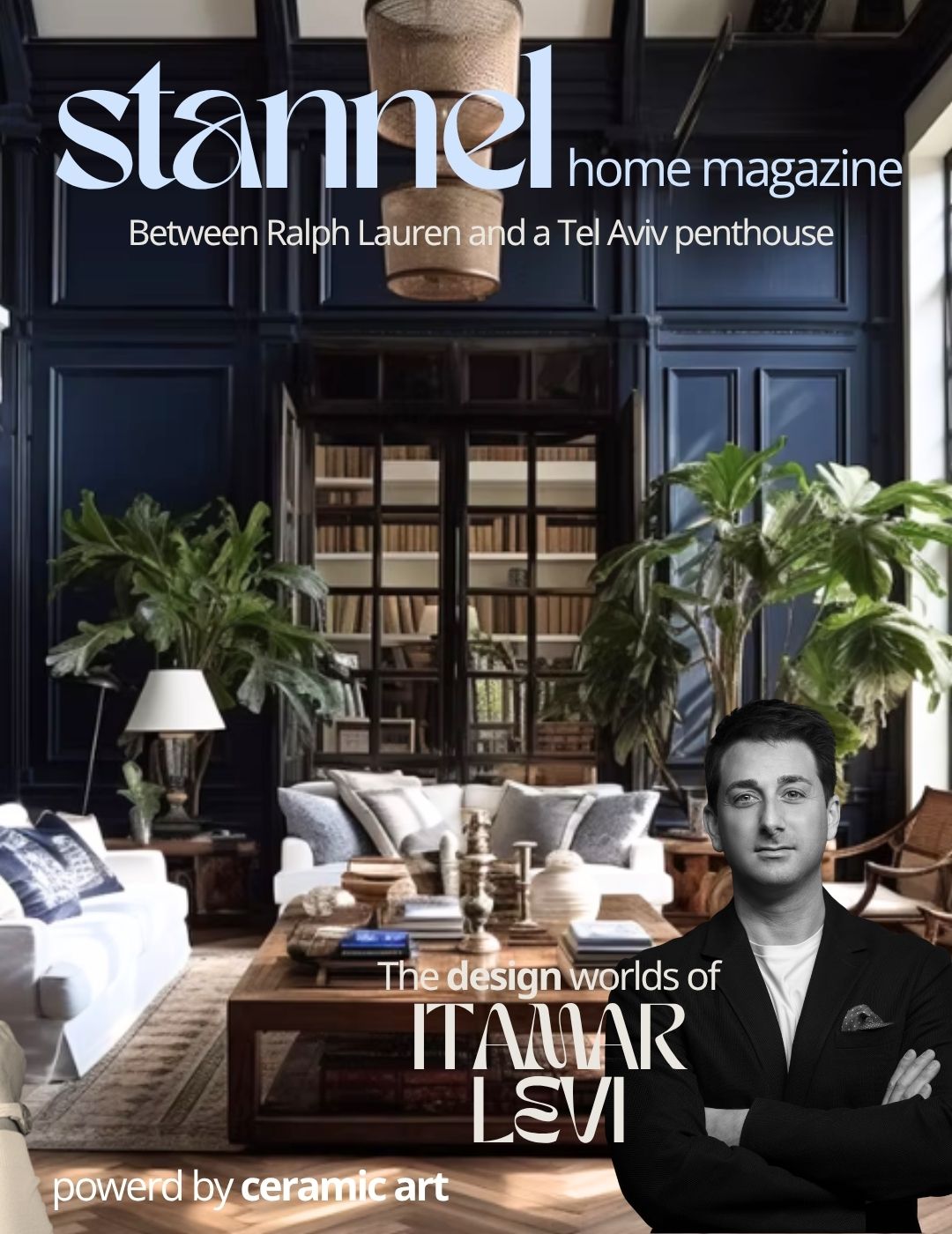
Itamar Levy came to the world of design out of a passion for art.: Painting, sculpture and even fashion design were an integral part of his life since high school. But he found his true stage when his parents built a house, and he was exposed to the process and even actively participated in it. […]

Our magazine team receives a variety of homes. Sometimes we understand the home immediately from the first picture, but sometimes the beauty and wisdom behind the home are revealed gradually. From angle to angle, from picture to picture, we discover the thinking behind the design, the small details, the hidden surprises that make this house […]

Dana Elkon Architects The basics: Dana’s studio has been operating for over 15 years and is distinguished by its special attention to every detail, small and large, in the process of designing residential interiors and dressing the home. This creates a sense of completeness in the space, where all the details and accessories fit together […]
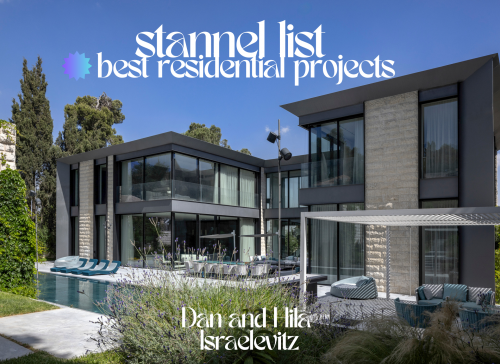
Meet Dan and Hila Israelevitz, who have headed the Israelevitz Architects firm for over twenty years. The firm specializes in planning and designing luxury homes, residential buildings, public buildings and commercial spaces, with an emphasis on support throughout the process, with the aim of creating a uniform and continuous continuity between the architectural process and […]

Meet Michal Matalon, engineer, interior designer and studio ownerHomeMakerfor planning and design. She founded the firm 17 years ago, “out of a love for architecture that combines precision, emotion and connection to the environment.” “Our way of working is based on deep listening, meticulous design, and a harmonious combination of old and new, natural and […]
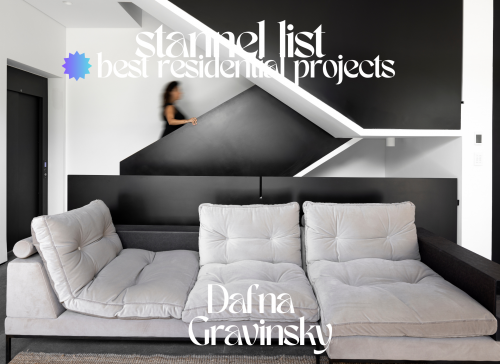
Meet Dafna Grabinsky, an interior designer and owner of an independent office for 11 years, where she designs houses, apartments and commercial spaces. In addition, she owns a design school in collaboration with the Crazy Nordic brand, and holds professional tours for designers among artisans at the flea market.Dafna defines herself as an artist and […]
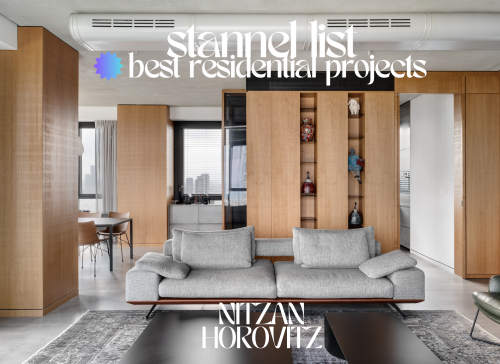
Meet Nitzan Horowitz, a multidisciplinary designer and owner of an office that has been operating for 24 years, dealing with a wide variety of projects from the private and commercial markets. The firm employs architects and interior designers, and 3D work is an integral part of the work process. “We do a significant portion of […]

Meet Kfir Galatia Azoulay – an architect, engineer and multidisciplinary designer, who heads KOT Architects. The studio has seven employees and is involved in a variety of residential, office, hotel and commercial projects. They are currently working on a 70-room boutique hotel in Budapest in a listed building, As well as establishing a new nationwide […]

Meet Anna Weil, interior designer and owner of Wantym Studio, which was established in 2021 and specializes in residential planning and design. Anna opened the studio after the split of ‘Studio Matka’, which she founded in 2007 together with Hila Gal. For seven years, she lectured in a variety of courses in the Department of […]

5 tips for renovating your home before selling Not being able to sell your apartment? It could be that you’re not preparing it enough before the date with the buyers. We have collected for you the best tips from interior designers regarding designing an apartment before selling, so that it sells – and at the […]
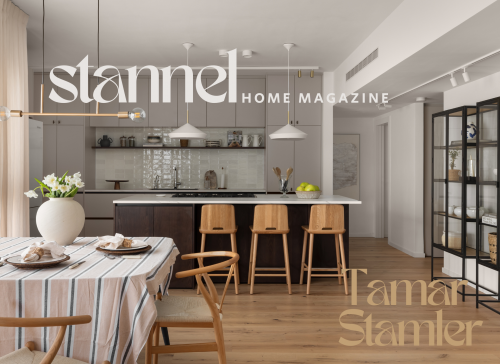
Combining and balancing ease of use and visual appearance are at the center of all areas of design, How to balance them in a way that one does not come at the expense of the other is the question for every designer. In accessible budgets and apartments in buildings, where the framework is dictated in […]
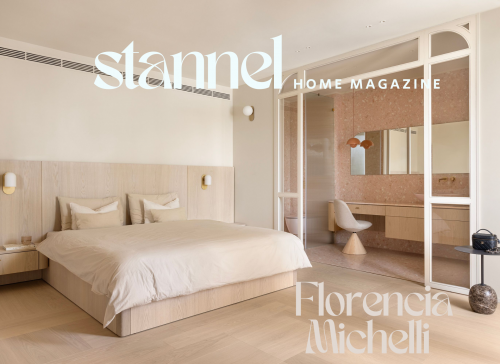
In design, there is no single right answer and there are many approaches, styles, and ways to reach the goal. In terms of design concept, there are apartments and houses where each room stands on its own For each space, the appropriate materials, finishes, and details are selected, and each room tells a slightly different […]
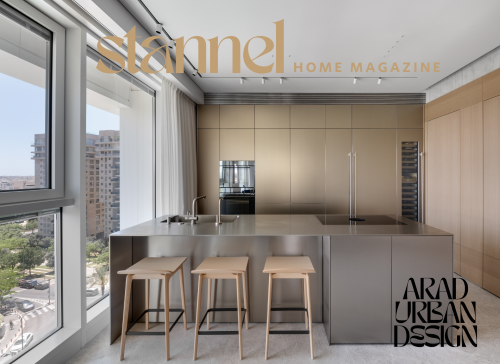
Many current trends in design represent our desire to mix styles and create something that is both or in between. A space that takes elements and characteristics from all sorts of styles and worlds and mixes them together to create something new, one that suits our lifestyle and character. The Hippie style, which mixes Japanese […]
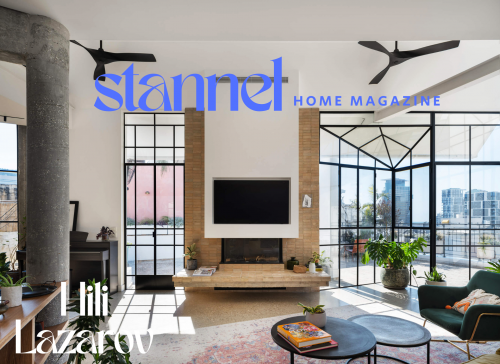
When we prepare for a house or apartment renovation, we usually know that planning and patience are required, we will take into account the investment in time and money, we will recruit professionals around us and mark everything we dream of on Pinterest. Flexibility, openness, and listening are not the first principles we think of, […]

The basics: Studio Tali Gotthilf is an interior design firm specializing in commercial design – work environments, clinics, public spaces and accommodation units in Israel and abroad. The studio was founded by interior designer Tali Gotthilf three decades ago and has expanded its creative fields over the years. The studio, which has won international design […]
Meet Dafna Grabinsky, an interior designer and owner of an independent office for 11 years, where she designs houses, apartments and commercial spaces. In addition, she owns a design school in collaboration with the Crazy Nordic brand, and holds professional tours for designers among artisans at the flea market.Dafna defines herself as an artist and […]

There is something very romantic and nostalgic about elements that have a story and history behind them. These will always attract our eye and arouse questions and curiosity. This house, designed by Liat Post for a family in central Israel, is full of such stories. The homeowners maintain their own workshop, where they renovate and […]
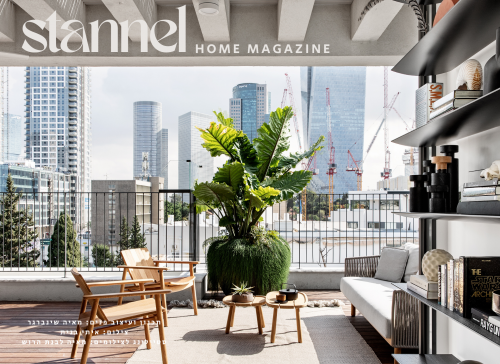
Three ways to enhance the sense of space we learned from this apartment When we look at this Tel Aviv apartment and hear its story from designer Maya Sheinberger, we get a sense of expansion – a couple who became a family, a new apartment added to the building as part of the TAMA 38 […]

After years of right angles, cubes and straight lines, arches and curved lines are returning to our lives and the design of our homes. Like other trends in design and in general in recent times, this too is probably related, in one way or another, to our desire for softness and a return to nature, […]
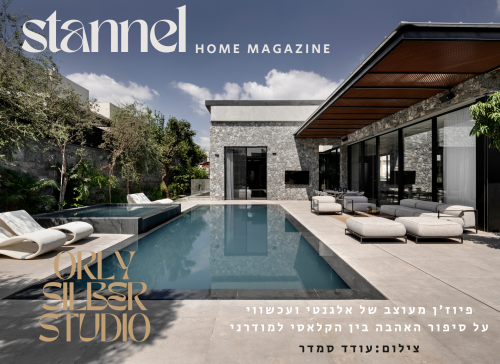
Yes, there is no doubt that the tension between adherence to the sources and modern adventures is present in almost every field of creation.Those who succeed in identifying the timeless classics, those that always remain relevant, and weave them into the contemporary themes of modern design (and even postmodernism, which is everything), with wisdom and […]

When renovating a house or apartment, clients, with the close assistance of the designers who accompany them, are required to make countless decisions, small and large, with each decision also affecting those that follow. For many, this process is complex and very emotional, but there are tools to navigate it well and effectively. One of […]
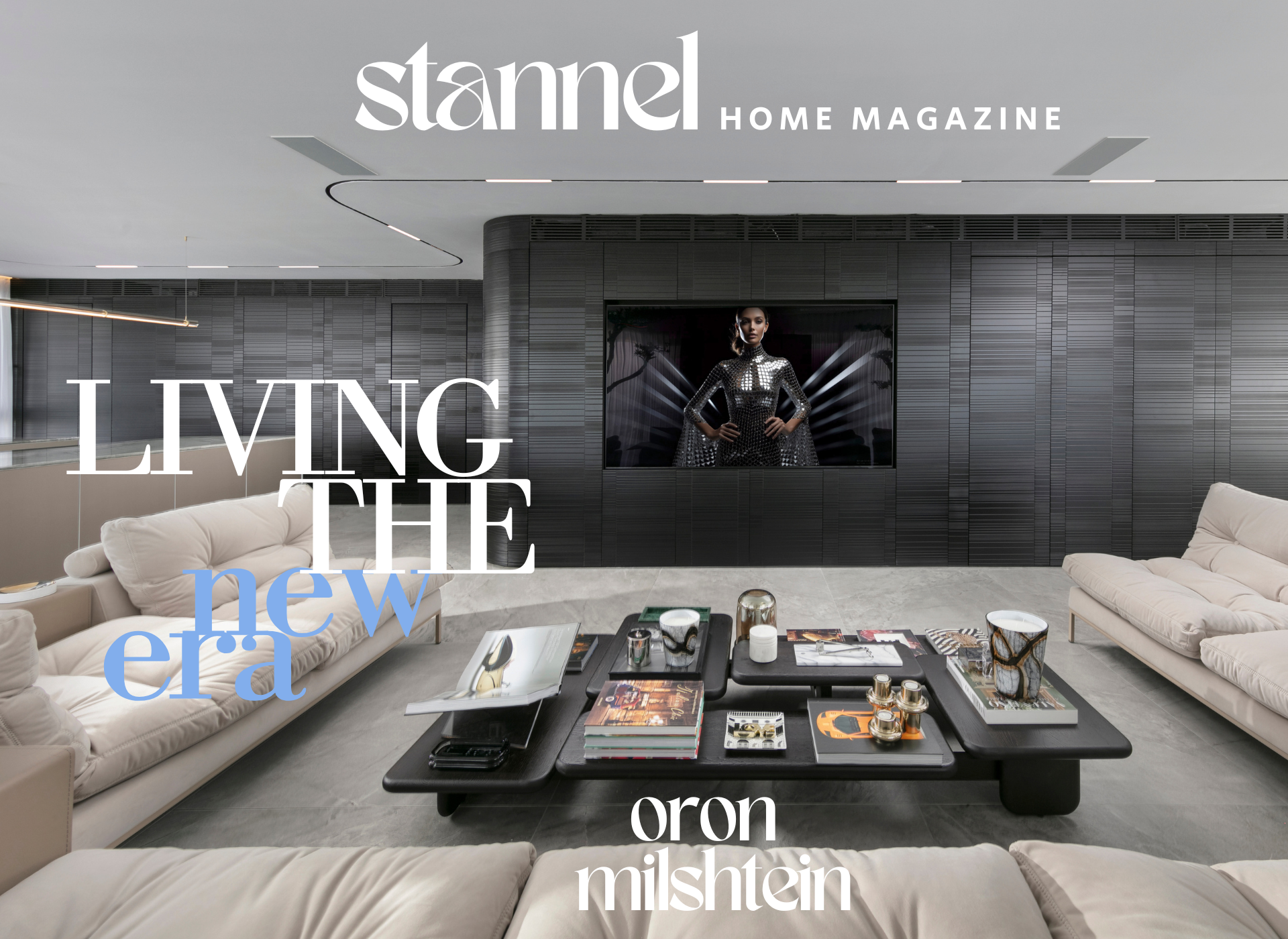
Meet Oron Milstein, Interior designer and owner of an independent studio for over 16 years, specializing in planning and designing apartments and luxury homes, alongside commercial spaces such as fashion stores and showrooms. Oron’s design language is concise and unique, and he draws inspiration from diverse fields, including fashion and art. His style is characterized […]
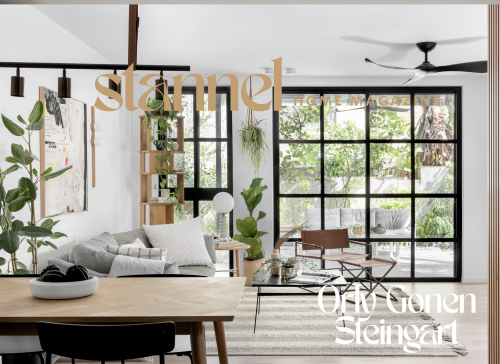
We all want a cozy, warm, and welcoming home. But how do you create such a home? How do you combine all the elements well to create a home that is both comfortable and practical, as well as relaxing and caressing? In this home in north Tel Aviv designed by Orly Gonen Steingart of Gonen […]

We invest a lot of time, energy and thought in choosing our living environment, the place where we will settle and build (or renovate) our home. In some cases, we will want to bring the environment into the house, at least conceptually, and create a design language that looks outward and draws inspiration from the […]
Yes, there is no doubt that the tension between adherence to the sources and modern adventures is present in almost every field of creation.Those who succeed in identifying the timeless classics, those that always remain relevant, and weave them into the contemporary themes of modern design (and even postmodernism, which is everything), with wisdom and […]
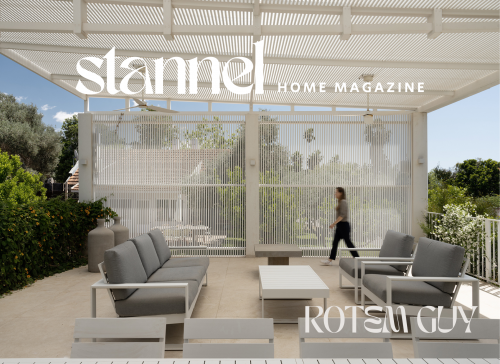
An old house on an agricultural estate in a moshav in central Israel was demolished and a new house was built in its place for a couple in their seventies. On the outside, existing olive trees were preserved and the yard was designed according to the existing slope of the lot. On the inside, the […]
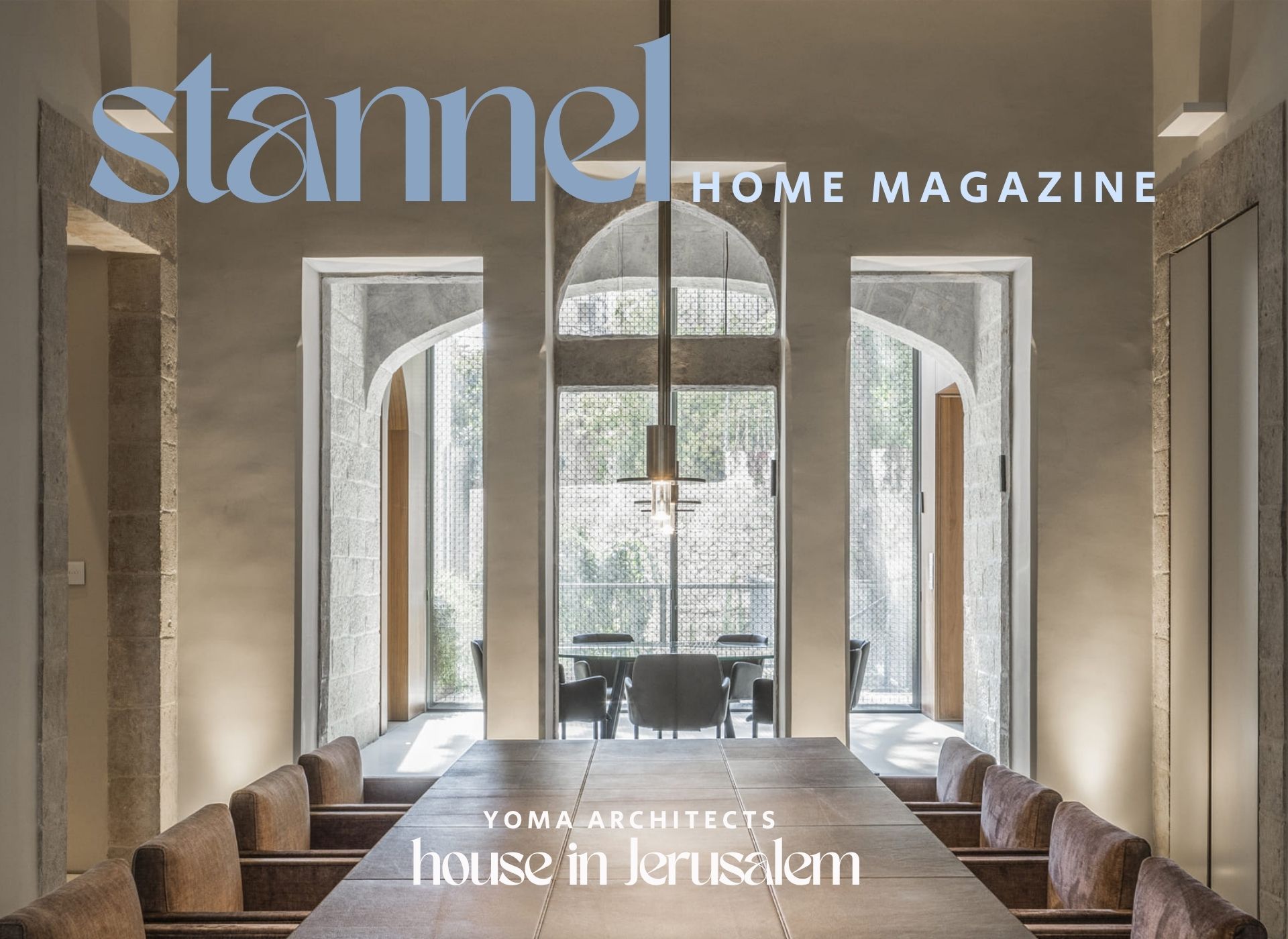
The house covers an area of 500 square meters and is surrounded by an impressive garden of approximately 400 square meters.The project, designed by Yuma Architects, owned by Netanel and Michal Meir, involved a meticulous and profound process of preserving the existing structure, alongside the integration of modern and new infrastructure and construction, while creating […]
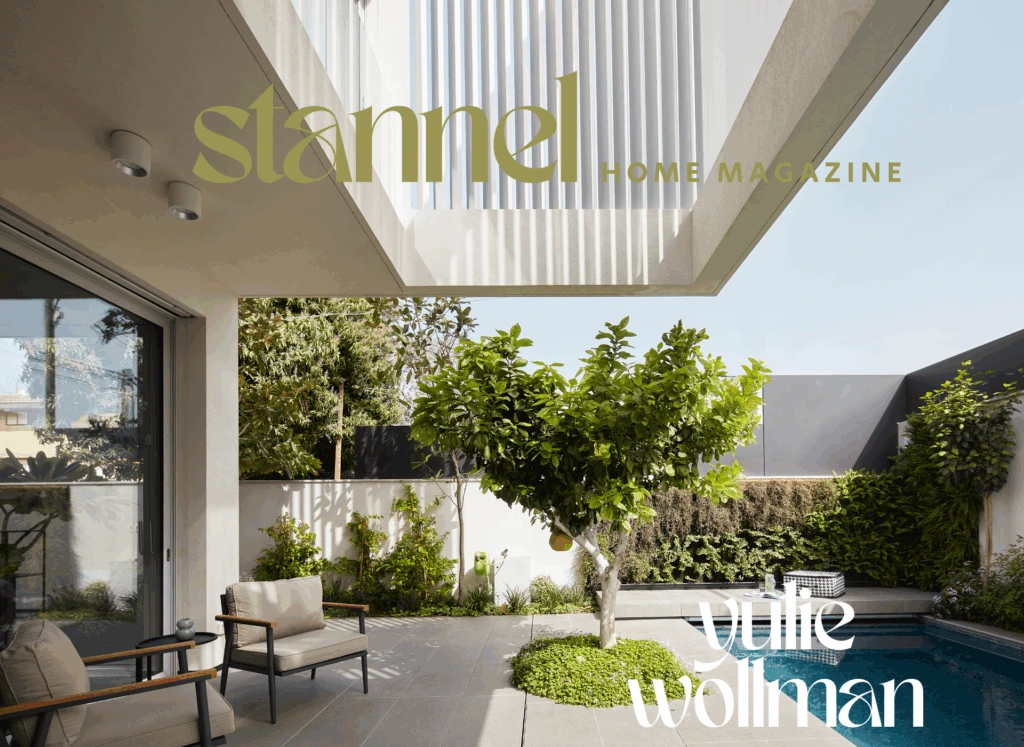
Our magazine team receives a variety of homes. Sometimes we understand the home immediately from the first photo, but sometimes the beauty and wisdom behind the home is revealed gradually. From angle to angle, from picture to picture, we discover the thinking behind the design, the small details, the hidden surprises that make this […]
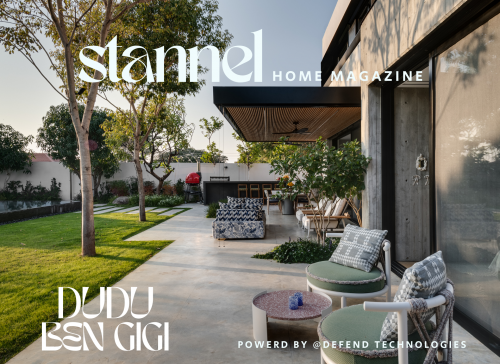
When designing a home, it’s not just about choosing colors, materials, or furniture pieces.– This is a process that requires forward-looking thinking,Deep thinking about the present and future lifestyle and adapting to changing needs. How do you create a home that will still feel right in a decade or two? How do you maintain a […]

A family of four fell in love with the yard and pool of this home in Hod Hasharon. They approached designer Shir Steigman with the idea of a small upgrade. But after a short tour of the house, Shir realized that a more significant intervention was needed here: “They were thinking of something specific, but […]

Subscribe to our lifestyle channel newsletter
Error: Contact form not found.
Subscribe to our lifestyle channel newsletter
Subscribe to our lifestyle channel newsletter